


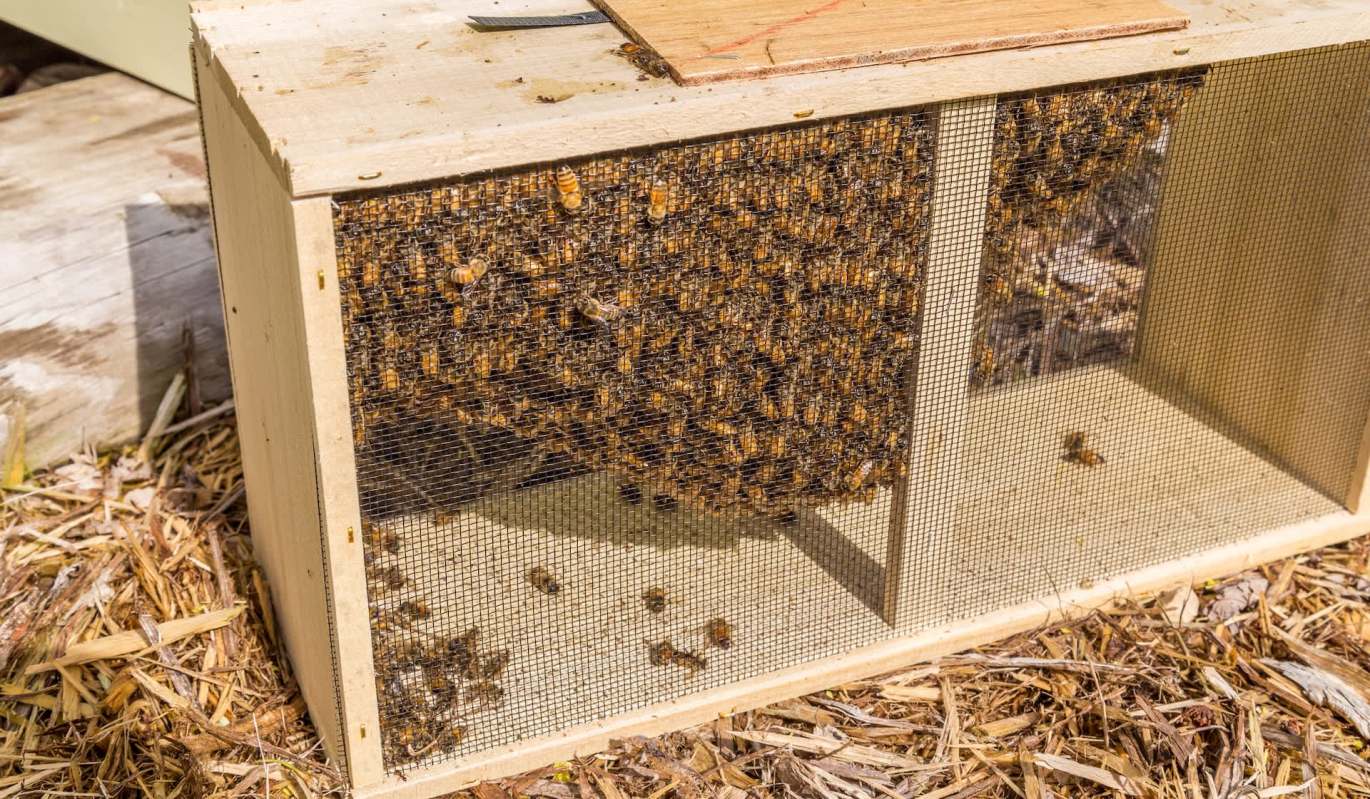
A massive beehive theft in rural New South Wales, Australia, is drawing police attention — and plenty of outrage.
According to The Guardian, authorities are searching for whoever allegedly stole beehives valued at AU$150,000 (US$108,000) from a property in the state's Northern Tablelands. The theft has dealt a major blow to a beekeeper and an industry already under strain.
Beekeepers are struggling as rising global temperatures cause unpredictable weather, which is preventing bees from making honey.
New South Wales Police said 80 hive boxes containing live bee colonies were taken from a property on Bruxner Way, about 9 miles west of Bonshaw and 62 miles northwest of Glen Innes.
Investigators believe the theft occurred between March 31 and May 6, with the state's Rural Crime Prevention Team leading the case. The missing hives are described as mostly cream-colored with blue baseboards, blue and white lids, and red clear boards.
Police are asking anyone who was in the area and may have dashcam or mobile phone footage to contact rural crime investigators in Inverell or Glen Innes, or to reach out to Crime Stoppers.
Get cost-effective air conditioning in less than an hour without expensive electrical work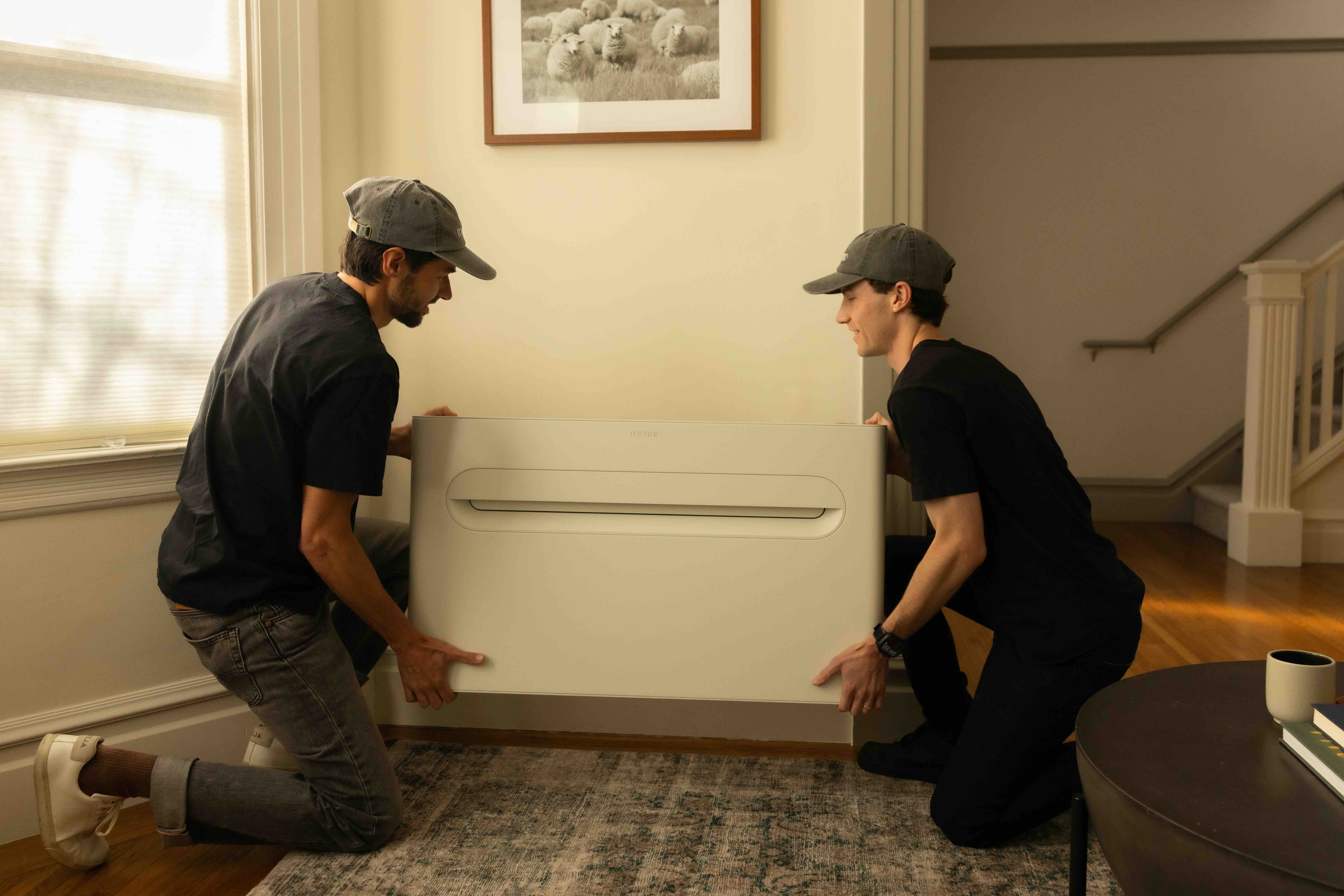 The Merino Mono is a heating and cooling system designed for the rooms traditional HVAC can't reach. The streamlined design eliminates clunky outdoor units, installs in under an hour, and plugs into a standard 120V outlet — no expensive electrical upgrades required. And while a traditional “mini-split” system can get pricey fast, the Merino Mono comes with a flat-rate price — with hardware and professional installation included. |

"It's terrible, it's such a big loss," beekeeper Mitch McLennan said, per The Guardian. "The only people that steal bees are beekeepers."
McLennan said hive thefts have "become quite commonplace now" as Australia's beekeeping industry struggles with Varroa destructor, a parasitic mite first detected in the country in 2022. The pest weakens bees, kills larvae, and spreads harmful viruses, creating serious losses for apiarists and adding pressure to an already vulnerable industry.
The consequences extend far beyond a single property. Managed bees play a critical role in pollination, meaning large colony losses can ripple through food production, farm income, and ecosystem health. In Moldova, for example, beekeepers are concerned about rising honey prices, which are eating into profits and increasing consumer costs.
McLennan said many beekeepers place hives along roadsides or public land, leaving them vulnerable to theft and tampering. He now keeps them on private property behind locked gates.
TCD Picks » Quince Spotlight
💡These best-sellers from Quince deliver affordable, sustainable luxury for all




"I've got a friend who has 4,000 hives, and he said pretty much every time since, they've had this Varroa and everyone's been losing their bees, every time they put bees on a roadside site, someone comes in and takes bees out of them or messes with them," he said.
The theft is a stark reminder that environmental stewardship depends heavily on trust — and that harming pollinators for profit can have consequences that reach far beyond a single beekeeper.

Get TCD's free newsletters for easy tips, smart advice, and a chance to earn $5,000 toward home upgrades. To see more stories like this one, change your Google preferences here.
Cool Picks






