


Wellington Mayor Andrew Little made headlines in late February after going for a swim off the coast of the New Zealand capital.
Little turned heads because the water had recently been flagged as unsafe due to a sewage leak. But the mayor wanted to assure residents that conditions were improving.
"I do want to be clear: A risk remains, but monitoring results so far show that it is low, and it's now up to people to decide how they respond," the mayor said, according to Agence France-Presse.
What's happening?
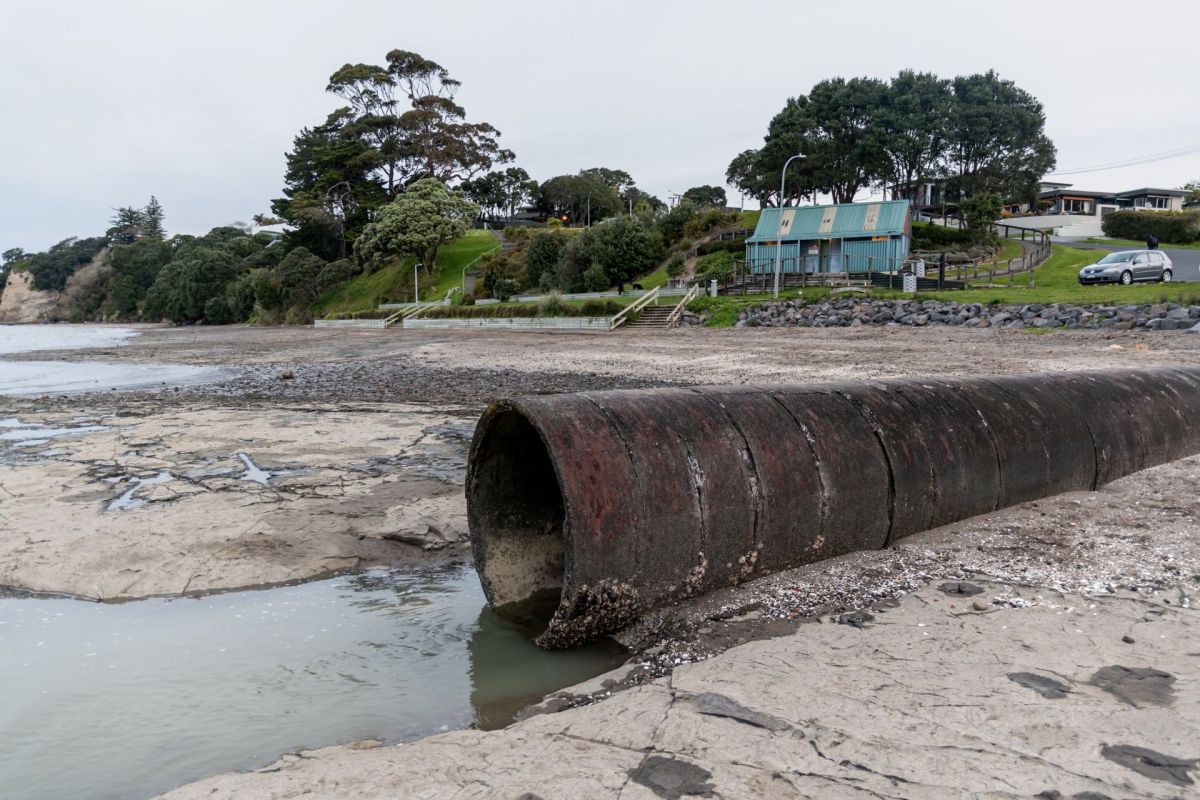
The Moa Point wastewater treatment plant experienced a "total failure" on February 4, flooding the facility with raw sewage. Hazardous water leached into the ocean from an outfall just feet from the shore, contaminating recreation areas and seafood harvesting sites, according to co-authors from the University of Wellington writing at The Conversation in mid-February.
The co-authors shared a YouTube clip from Calypso Science showing how the pollution quickly spread along the coastline.
The utility Wellington Water reported that the plant was shut down and that screens were in place to catch any debris from the overflow. Regular testing was reportedly pursued, and water samples returned to levels safe for swimming. However, visitors were encouraged to check with Land, Air, Water Aotearoa for safety updates.
TCD Picks » Quince Spotlight
💡These best-sellers from Quince deliver affordable, sustainable luxury for all




Why are sewage spills concerning?
The University of Wellington academics writing at The Conversation noted that untreated sewage can contain bacteria, viruses, and parasites. Surfrider Foundation has included these on the list of organisms that can cause severe illness in humans and marine life. Its 2021 report said that 900 billion gallons of untreated sewage enter American surface waters annually.
In Wellington, some homeowners reported a brown residue was left on their houses.
"It's been an absolute s*** show," resident Roger Young told Radio New Zealand.
Sewage spills can also contain microplastics and per- and polyfluoroalkyl substances — commonly known as "forever chemicals." While the science on these synthetic materials is still developing, both have been linked to potentially serious health concerns.
One study, for example, found microplastics in nearly every seafood sample collected. Health experts are still researching how exposure to microplastics may impact human health, but inflammation and organ damage are among the possibilities, according to Stanford Medicine.
Microplastics are generally the result of either once-larger and ever-degrading pieces of plastic or else manufactured at small sizes for certain purposes, such as in cosmetics.
What's being done?
Water testing is crucial to determining the sewage leak's long-term effects. Wellington Water also set up a question-and-answer page to keep residents updated on progress in fixing the plant and preventing further drainage.
Staying informed about the situation will be important for residents and travelers as the repercussions are likely to linger.
"Increased odor is an ongoing concern," Wellington Water said, per AFP, in late February.

Get TCD's free newsletters for easy tips, smart advice, and a chance to earn $5,000 toward home upgrades. To see more stories like this one, change your Google preferences here.







