


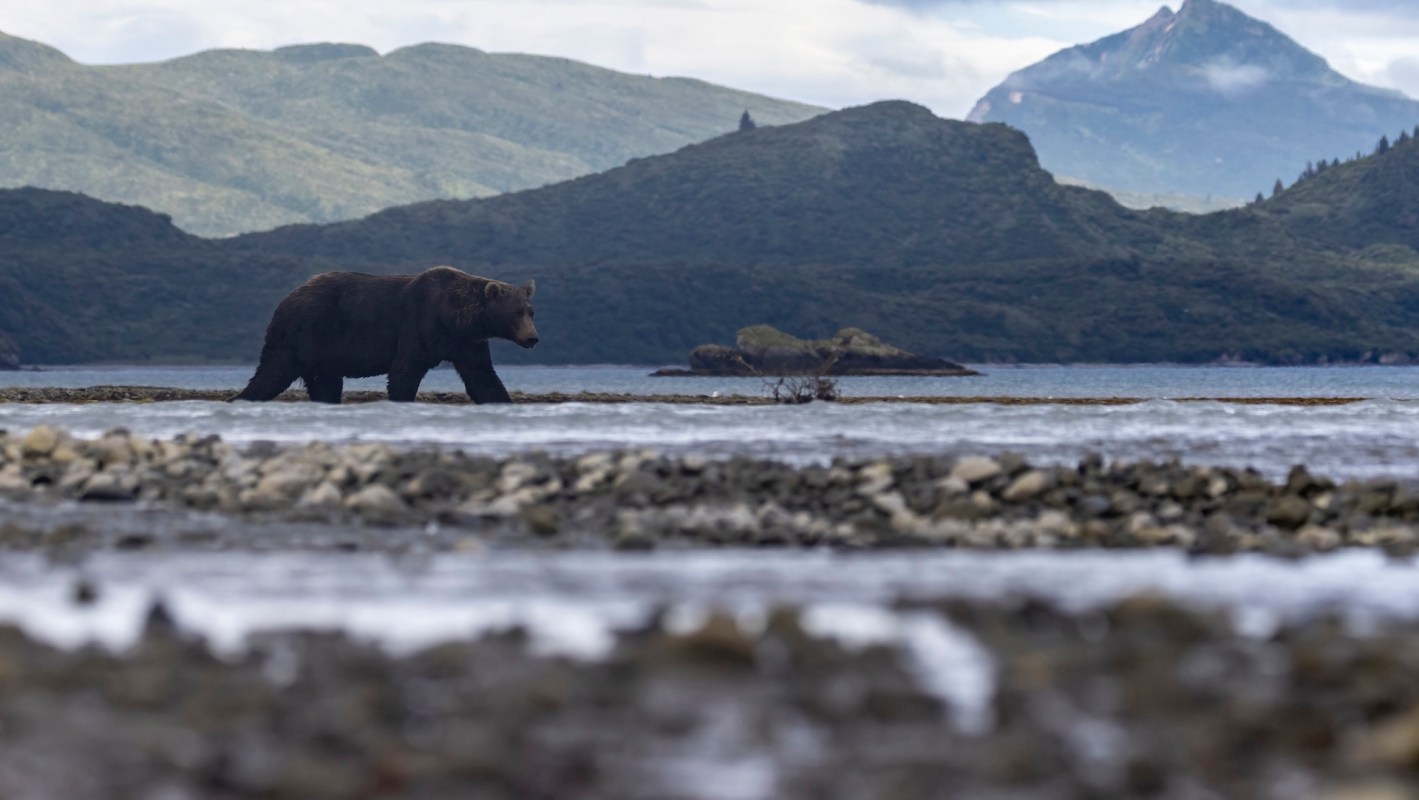
Alaska wildlife officials can move forward with a controversial predator-control program that allows black and brown bears to be shot from helicopters after a state judge declined to pause the effort ahead of a key caribou calving season.
The ruling keeps in place a plan to rebuild the Mulchatna caribou herd in Southwest Alaska, which once supported Alaska Native subsistence hunters across dozens of communities, according to NBC News.
The timing is critical, as the Mulchatna herd is expected to begin calving soon — a period when newborn caribou are especially vulnerable to predators such as bears and wolves.
State officials say the predator-removal effort is necessary to help the herd recover after a steep long-term decline.
The herd once peaked at roughly 190,000 animals, supporting annual subsistence harvests of up to 4,770 caribou, per NBC News.
But after declines in the late 1990s and early 2000s, the population fell to about 13,000 by 2019. Last year, the Alaska Department of Fish and Game estimated the herd at about 16,280 animals. Hunting has remained closed since 2021.
TCD Picks » Quince Spotlight
💡These best-sellers from Quince deliver affordable, sustainable luxury for all




"The herd has persisted at low numbers but started showing a positive response since 2023, when bear removal during calving seasons began," state attorneys wrote in a court filing, NBC News reported.
Conservation groups dispute that interpretation, arguing the state is moving ahead without sufficient scientific evidence to justify such aggressive wildlife management.
Their lawsuit alleges that Alaska removed 180 bears — mostly brown bears — in 2023 and 2024, in addition to 11 in 2025, as NBC News detailed.
For local communities, the caribou herd is closely tied to food access and cultural continuity.
For wildlife advocates, the case raises broader questions about the ethics and ecological consequences of culling one species to benefit another, particularly when long-term ecosystem impacts remain uncertain.
Often, officials advocate for such measures when attempting to eradicate invasive species, but in this case, the targeted bears are native, making the situation fundamentally different.
NBC News noted that the Alaska Department of Law said it welcomed the ruling, which allows the program to continue during "a crucial time for herd recovery."
Cooper Freeman of the Center for Biological Diversity criticized the decision, saying, "The state simply hasn't shown that the unrestrained killing of bears is going to help us get there," and added, "We need to stop this disgraceful waste of the state's limited resources and work based on science to protect all our wildlife."

Get TCD's free newsletters for easy tips, smart advice, and a chance to earn $5,000 toward home upgrades. To see more stories like this one, change your Google preferences here.







