


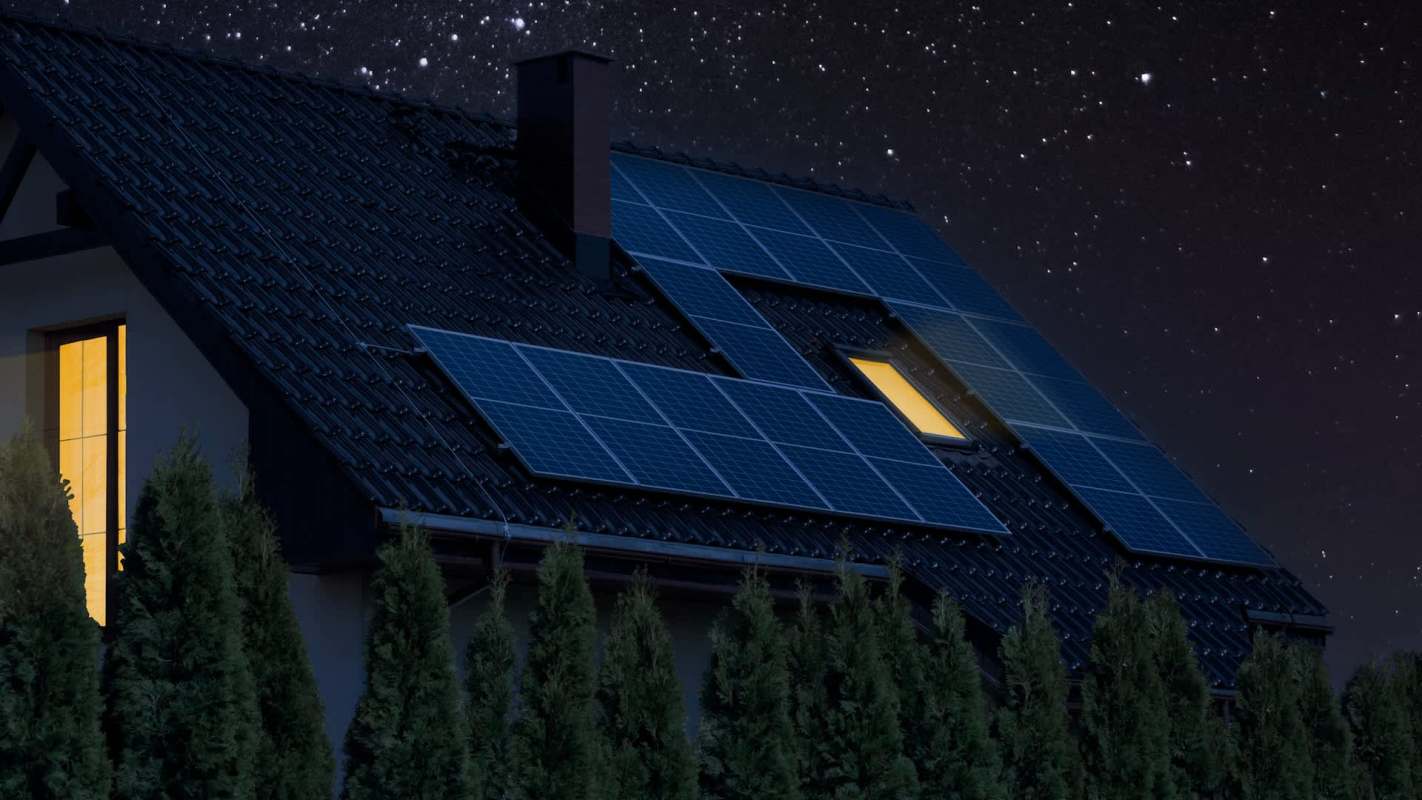
While solar panels can't generate electricity when the sun goes down, that doesn't mean they stop saving homeowners money at night.
In a recent explainer, solar expert Andrew Giermak from Palmetto broke down how rooftop solar systems can lower electricity costs after dark, even though the panels themselves stop generating power when the stars come out.
The key is not nighttime generation, but what happens to the extra energy produced during the day. That electricity can either be credited through utility billing programs, usually referred to as net metering, or stored in a home battery for later use.
That distinction matters as more homeowners look for ways to lower utility bills and reduce their reliance on fossil-fuel-powered electricity.
According to Giermak, one of the biggest misconceptions around solar is that panels become useless for roughly half the day. In reality, many systems are set up so daytime production can help cover evening energy use as well.
The energy generated each day can translate into meaningful savings on your utility bills over time. To see how solar panels could transform your home's energy use and monthly costs, connect with the experts at Palmetto to learn about its $0-down LightReach solar program, which can cut energy costs by up to 50%.
For homes connected to the grid, solar panels often generate more electricity than the household needs during sunny hours. That excess power can be sent back to the grid, and depending on local policies, the homeowner may receive credits through programs such as net metering or net billing. Those credits can then help offset the cost of any electricity the home pulls from the grid at night.
For homes with battery storage, the savings can be even more direct. Extra solar power generated during the day is stored in the battery and then used after sunset to operate lights, appliances, and other household devices.
Get $1,000 cash to slash your bills with rooftop solar panels for $0 down and low monthly payments Whatever your solar budget, Palmetto can help you save. If you want to buy your own panels, Palmetto's advisors can help you save up to $10,000 on installation through a network of preferred installers. And if you'd rather get solar savings without upfront costs, Palmetto's revolutionary LightReach subscription program can deliver — including an exclusive $1,000 cashback offer for TCD readers. LightReach lets you lease solar panels with no money down, making it painless to lock in long-term savings of up to 33% off your current power bill. Palmetto covers a 25-year warranty for the panels, which means you'll get reliable performance without unforeseen costs. To get started, just book a short meeting with Palmetto's experts to explore your options and find the solution that's right for you. |

In off-grid setups, batteries are essential. In grid-connected homes, they can provide added savings, backup power during outages, and more control over energy use as utility compensation policies change.
The takeaway for homeowners is simple: solar panels do not need to actively generate power at night in order to reduce nighttime energy costs.
To see the full savings potential of solar, it's better to look at the long term. In fact, some homeowners who upgrade can save over six figures on energy costs over the lifetime of their systems.
Pairing solar with energy-efficient home upgrades like smart thermostats, timers, or heat pumps can stretch those savings even further by reducing the overall energy consumption of your home.
Giermak summed it up this way: solar panels "start generating electricity when the sun comes up and stop when the sun sets," but net metering and batteries can still make renewable energy useful "24/7/365."
If you're looking to upgrade to solar, but are concerned about the upfront or maintenance costs, check out the LightReach program from Palmetto. Through its leasing plans, you can effectively set your energy rate for 25 years.

Get TCD's free newsletters for easy tips, smart advice, and a chance to earn $5,000 toward home upgrades. To see more stories like this one, change your Google preferences here.






