


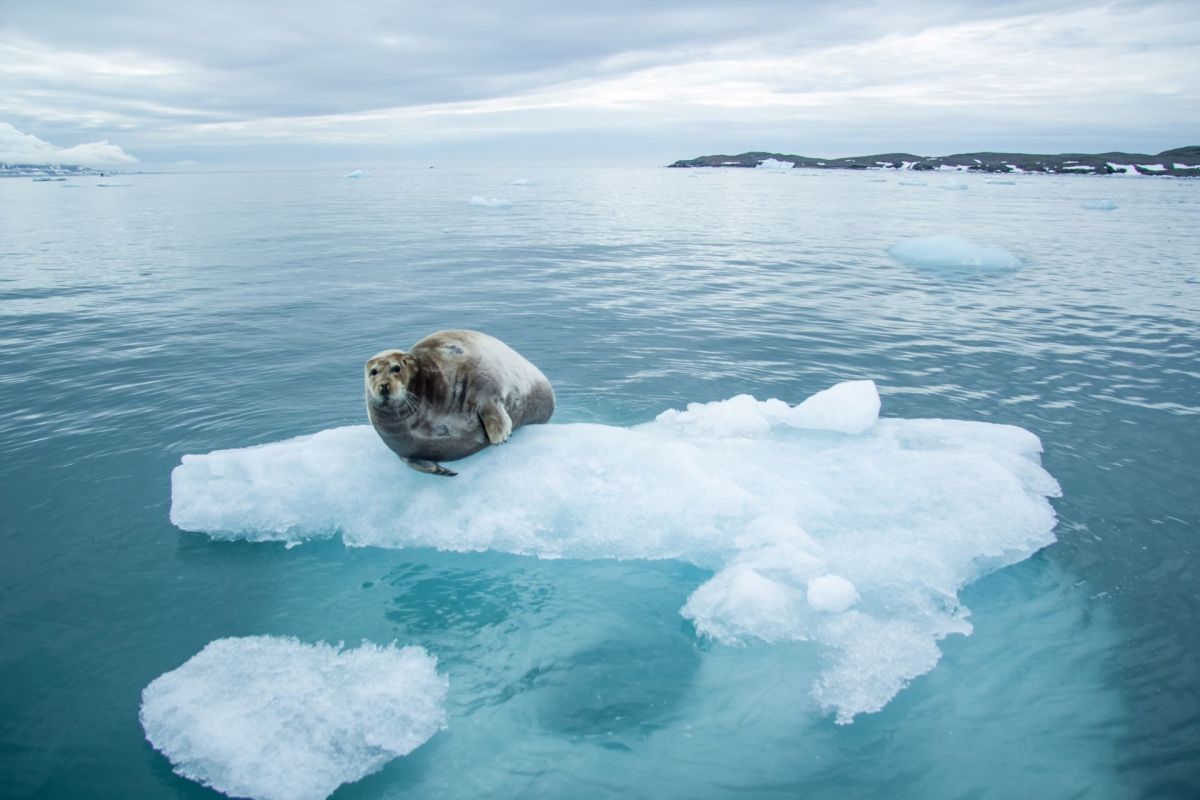
Analyzing the eating habits of marine animals is extremely difficult because some are difficult to observe directly.
Marine animals tend to feed underwater in what can be extremely remote, hard-to-reach areas. But a study that teamed researchers with Inuit hunters in the Arctic shed light on seals' eating habits, and the results are disturbing.
What's happening?
Research published in the journal Communications Earth & Environment detailed how important glacier fronts are to seals, which enjoy feeding near them.
By studying the stomach contents of captured seals, researchers were able to determine that their diets differ greatly depending on distance from nearby glaciers. This suggests that melting ice masses could have a significant effect on Arctic marine ecosystems.
Why is the threat to seals concerning?
The findings suggest that as glaciers melt into the ocean, seals that feed nearby may be forced to change their diet, distribution, and body condition.
Meanwhile, the effects of all this would not just be limited to the seals themselves. It would also have a profound impact on their predators, such as polar bears, as well as Inuit communities that rely on seals.
TCD Picks » Quince Spotlight
💡These best-sellers from Quince deliver affordable, sustainable luxury for all




Seals play a crucial role in their ecosystems, as they regulate prey populations and support nutrient cycling. Should the creatures decline due to changes in habitat and resource availability, it could have dramatic knock-on effects in the areas where they are located.
Unfortunately, this is not the only dire warning scientists have issued when it comes to seals.
The British Antarctic Survey demonstrated that as ice melt increases in the Arctic, the seal population in the region declines. Authorities in the United Kingdom have also warned residents that waste, particularly from plastic, is threatening seals near the nation's beaches.
What's being done about the threat to seal habitats?
Research, such as this seal study, is extremely important because it isn't easy to obtain. Thankfully, collaboration between scientists and locals made it possible.
The study demonstrates that preventing glacier loss is vital to ensure the health of seals and other marine animals. While it seems like a tough task, positive climate actions can make a real difference.
For example, reducing the production of planet-warming pollution — by investing in domestic solar panels or by avoiding unnecessary trips in gas-guzzling cars — can help slow the rate of global temperature rise that leads to glacial melt.

Get TCD's free newsletters for easy tips, smart advice, and a chance to earn $5,000 toward home upgrades. To see more stories like this one, change your Google preferences here.







