


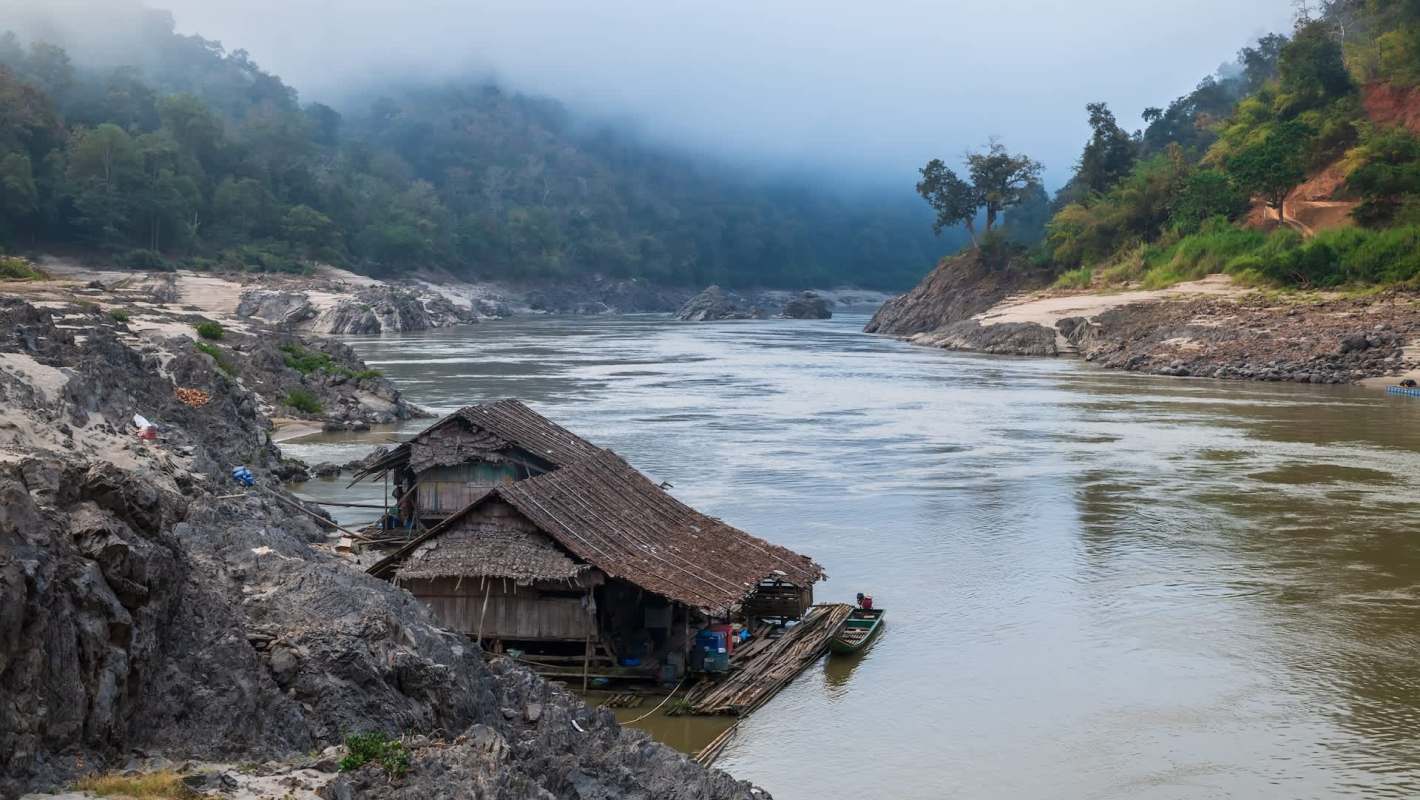
The Salween River, Asia's longest free-flowing river, is beset by arsenic contamination. The issue is putting fisherpeople, farmers, and villagers at risk.
What's happening?
Mongabay reported on the troubling situation at the Myanmar-Thailand border, where researchers suspect that mining operations are to blame.
The river, which flows freely from its origins in Tibet to the Indian Ocean, serves as a crucial habitat for various species and supports numerous communities. The Kok, Sai, and Ruak rivers in Thailand are among those that have been contaminated.
Authorities, such as Thailand's Pollution Control Department, had painted a somewhat inconsistent picture about the arsenic pollution. Over time, though, it has become clear that the river is dangerously polluted.
For Pianporn Deetes, a veteran environmentalist and executive director of Rivers and Rights, the findings shattered the illusion that the "Salween was the most pristine river system."
"So, when the water test results came out, it was hard to describe," Pianporn said. "It was beyond my imagination, the destruction — the worst thing that could happen."
TCD Picks » Quince Spotlight
💡These best-sellers from Quince deliver affordable, sustainable luxury for all




Communities along the Salween have limited access to information regarding the contamination, often relying on word-of-mouth.
Those who are informed try to avoid it, and they are struggling to sell fish as it is. Many are wary of eating any crops touched by the contaminated water.
Why is the Salween River's arsenic pollution concerning?
Mining waste jeopardizes the health of individuals who depend on the river. Nearby residents use the Salween's water for drinking, bathing, and irrigation.
Fishing and farming are key income sources for villagers, and authorities haven't been effective at spreading the word.
Informed locals are forced to buy expensive food and water from elsewhere or journey a long way to markets to buy crops unaffected by the pollution.
Just as murky is determining who or what is at fault for the arsenic in the river. Rare earth mining is a likely culprit, but the powers-that-be in northern Myanmar, where much of the mining is located, aren't revealing any details.
While these minerals are necessary for electric vehicles, phones, and clean energy technologies, it is alarming to see that mining activity could be impacting the environment in such a negative way.
Those advances make no difference for local residents who have to deal with health risks from arsenic poisoning, such as skin lesions and skin cancer.
What's being done about mining's associated pollution?
Pianporn said that as the demand for rare earth metals rises, there must be efforts to protect nearby communities.
"Clearly, this is the headwater of a river system that is a vital source of life for millions of people and also significant for the ocean," Pianporn told Mongabay. "How can we allow this to happen?"

Get TCD's free newsletters for easy tips, smart advice, and a chance to earn $5,000 toward home upgrades. To see more stories like this one, change your Google preferences here.







