


Sometimes the smallest and strangest details can tell the biggest stories. What began as a quirky research idea has opened a surprising window into ocean health, with one unexpected clue: worms.
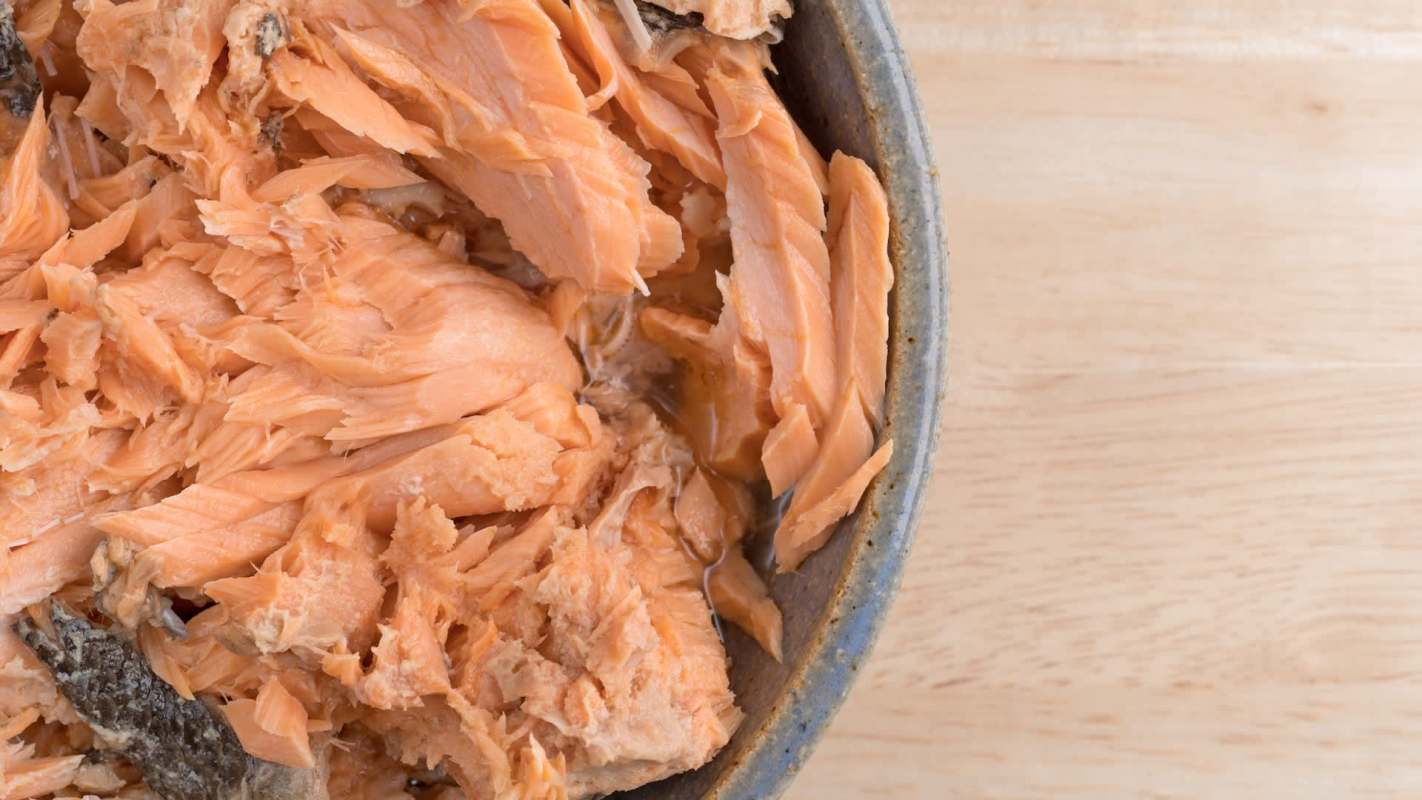
Scientists analyzed decades-old canned salmon that effectively served as time capsules, according to ScienceDaily.
"We have to really open our minds and get creative about what can act as an ecological data source," said researcher Natalie Mastick, per the publication.
By examining 178 cans collected over 42 years, researchers found increasing levels of parasitic worms known as anisakids in certain salmon species collected from the Gulf of Alaska and Bristol Bay — and surprisingly, that's a positive sign.
"Everyone assumes that worms in your salmon is a sign that things have gone awry," senior author Chelsea Wood told ScienceDaily. "But the anisakid life cycle integrates many components of the food web. I see their presence as a signal that the fish on your plate came from a healthy ecosystem."
Anisakids rely on a complex life cycle involving multiple species. They begin in small organisms like krill, move into fish such as salmon, and ultimately reproduce in marine mammals. If any link in that chain is missing, the cycle breaks down.
TCD Picks » Quince Spotlight
💡These best-sellers from Quince deliver affordable, sustainable luxury for all




When scientists observed rising parasite levels in chum and pink salmon between 1979 and 2021, it suggested that more parts of the marine ecosystem were intact and functioning together, a sign of stability and possibly recovery.
"If a host is not present — marine mammals, for example — anisakids can't complete their life cycle, and their numbers will drop," Wood explained.
That recovery may be tied to conservation efforts, such as protecting marine mammals and improving water quality. The study emphasizes that something that seems unappetizing could actually reflect decades of environmental progress.
Importantly, researchers noted that properly cooked salmon is safe to eat, as parasites are destroyed during processing.

Get TCD's free newsletters for easy tips, smart advice, and a chance to earn $5,000 toward home upgrades. To see more stories like this one, change your Google preferences here.







