


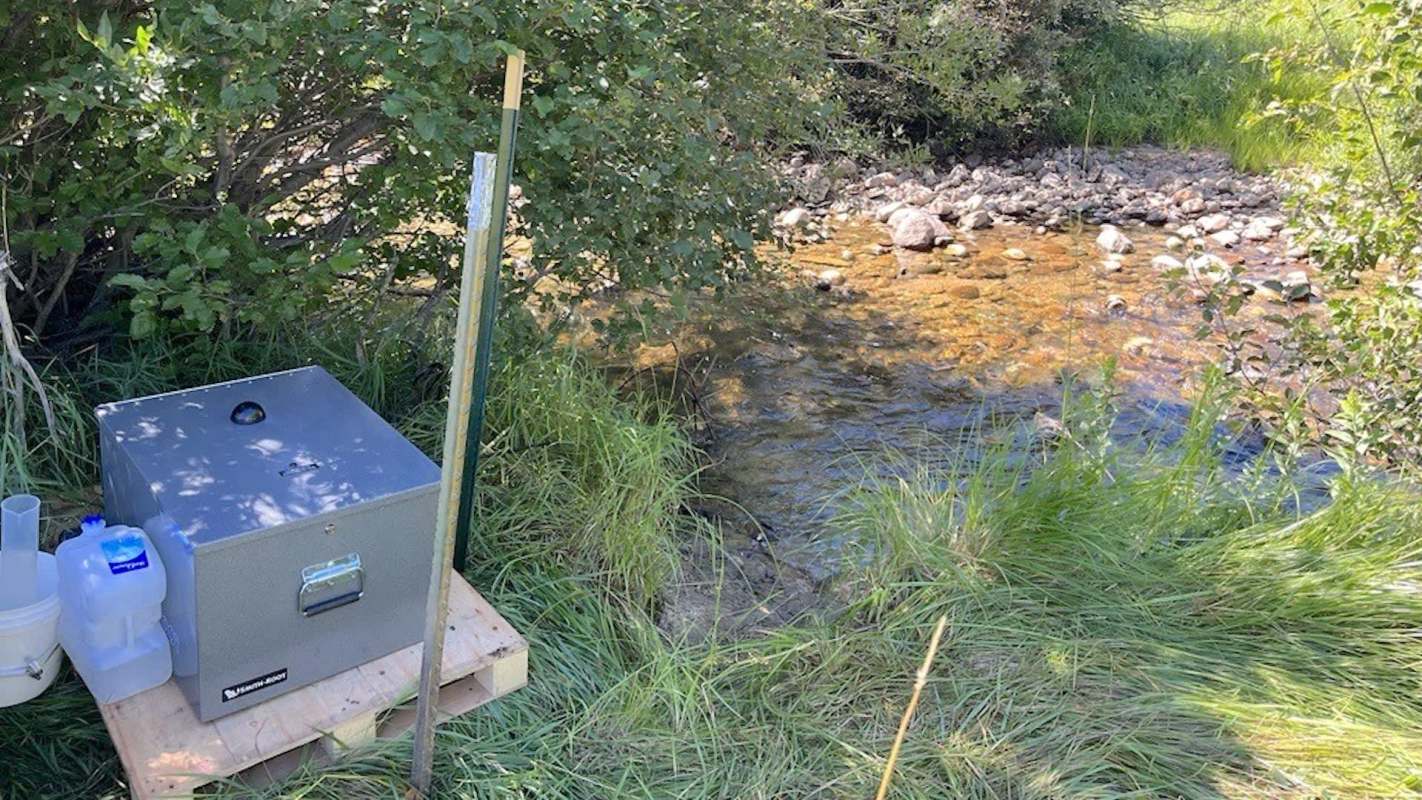
When it comes to addressing invasive species, one of the biggest challenges can be locating them in the first place.
"Efforts to get rid of an invasive species are very costly," explained Kimberly Dibble, a fish biologist at the United States Geological Survey, according to NPR affiliate KUNC. "It takes a lot of boots on the ground, a lot of hands in the water to try to find fish that are relatively rare in a system that haven't started increasing in population size yet."
Enter the eDNA autosampler. While it might sound like something out of a music studio, an eDNA autosampler is a $30,000 robot that autonomously examines water samples for traces of invasive species' DNA.
Dibble has been using the technology to search for invasive smallmouth bass in the Colorado River.
"It's a major step toward real-time biosurveillance of river systems that provides managers with continuous monitoring that would be impossible to collect through traditional sampling alone," Dibble said, per KUNC.
Invasive species disrupt ecosystems and economies by outcompeting native plants and animals, upsetting the delicate natural balance.
TCD Picks » Quince Spotlight
💡These best-sellers from Quince deliver affordable, sustainable luxury for all




"Harmful, non-native species can be found in all ecosystems across the United States," according to the USGS website. "These species can cause costly economic and ecological damage each year, including crop decimation, clogging of water facilities and waterways, wildlife and human disease transmission, threats to fisheries, increased fire vulnerability, and adverse effects for ranchers and farmers."
For example, in New Mexico, experts have warned that invasive plant species are threatening the health of the Rio Grande bosque, an iconic riparian forest.
Similarly, the presence of invasive Burmese pythons in the Florida Everglades has caused the populations of some native animals to plummet, with the numbers of raccoons and opossums falling by 99% in recent years.
By enabling experts to detect the presence of invasive species sooner and identify hot spots, the eDNA autosampler could become an important tool for protecting vulnerable ecosystems.

Get TCD's free newsletters for easy tips, smart advice, and a chance to earn $5,000 toward home upgrades. To see more stories like this one, change your Google preferences here.







