


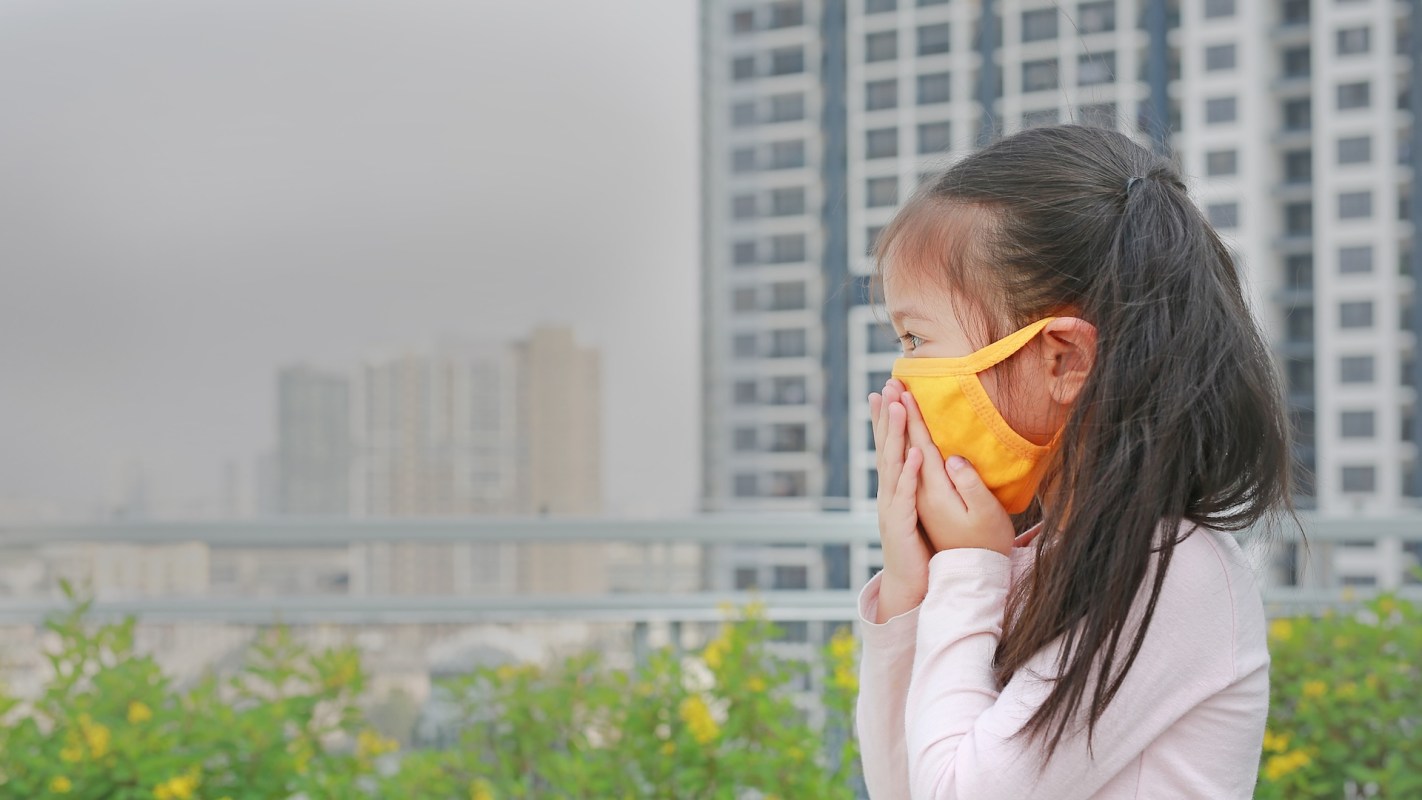
The American Lung Association is raising red flags after finding that nearly half of U.S. children regularly inhale toxic air pollution.
What's happening?
In its 27th annual "State of the Air" report, the ALA found that 44% of Americans, and 46% of American children, live in counties where at least one harmful air pollutant is at dangerously high levels.
This means that over 150 million Americans (and nearly 34 million kids) are exposed to upsettingly high levels of air pollutants, such as ozone and fine particulate matter.
These health burdens aren't shared equally among Americans; the report found that Hispanic people are over three times as likely to live in the counties burdened by these harmful pollutants. People of color, in general, are roughly 2.4 times more likely to live in the aforementioned counties.
Will Barrett, the ALA's assistant vice president for nationwide clear air policy, told Inside Climate News that, "We have a lot of work left to do to make sure that every child in the United States grows up breathing healthy air."
The emphasis on children in the report is important, as kids' lungs are smaller, meaning they need to breathe more quickly than adults, resulting in increased susceptibility to air pollution.
TCD Picks » Quince Spotlight
💡These best-sellers from Quince deliver affordable, sustainable luxury for all




What's next?
While the results of this report are undoubtedly distressing, there are some bright spots. The percentage of the U.S. population living in counties with failing air pollutant grades has trended downward since the ALA began publishing its reports.
Roughly 4 million fewer Americans live in counties with dangerous levels of pollution when compared to the ALA's 2025 State of the Air report. While this is good news, Barrett explained to Inside Climate News that "progress is fragile."
The ALA noted that our overheating planet is making some respiratory dangers worse. Specifically, the ALA mentioned that more intense wildfires are driving up levels of particulate pollution and ozone. Additionally, worsening extreme heat conditions across the country have the potential to increase ozone levels.
Clearly, the U.S. has a lot of work to do to protect our air and citizens' lungs. While progress isn't always linear or fast, it is critical.
|
Which of these savings plans for rooftop solar panels would be most appealing for you?
Click your choice to see results and earn rewards to spend on home upgrades. |
 Save $1,000 this year 💸
Get TCD's free newsletters for easy tips, smart advice, and a chance to earn $5,000 toward home upgrades. To see more stories like this one, change your Google preferences here.







