


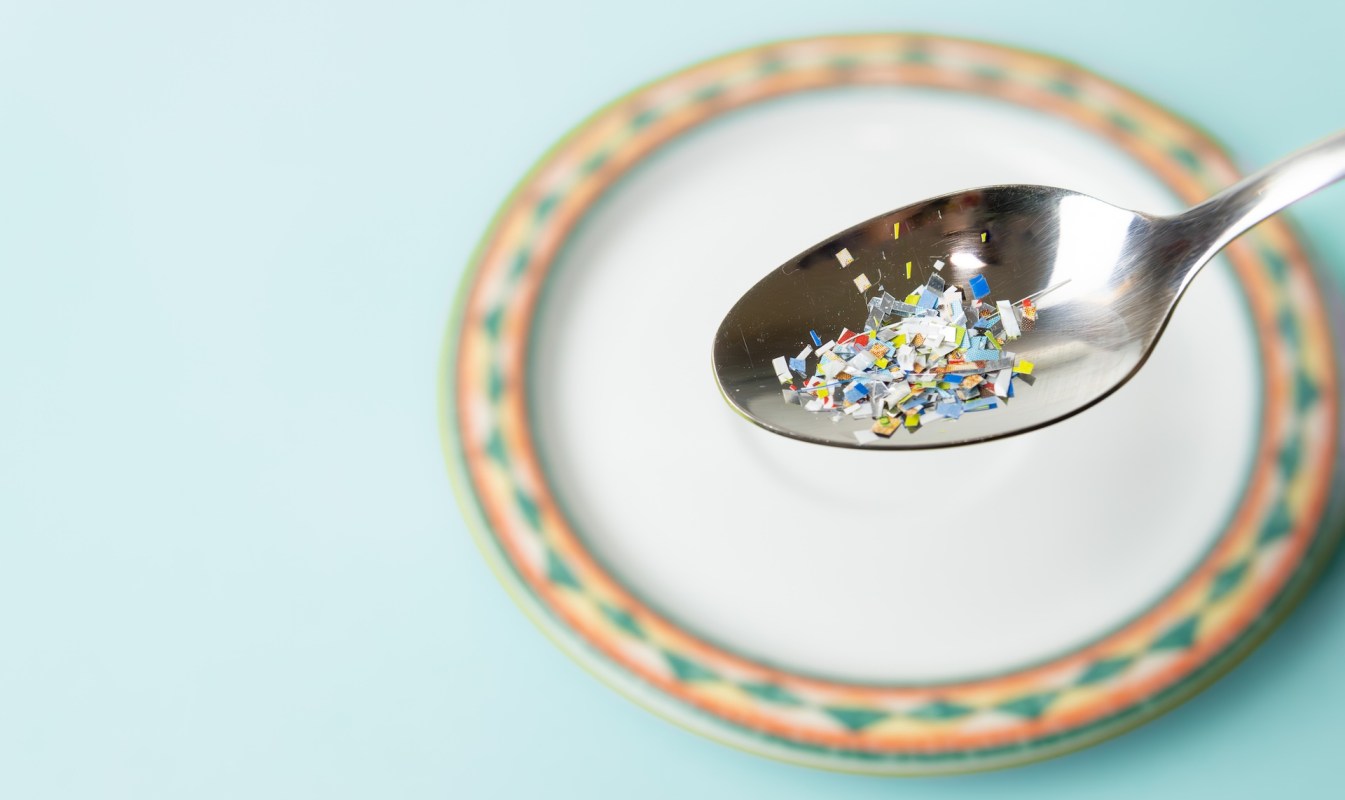
HHS Secretary Robert F. Kennedy Jr. recently said that there's "roughly a spoonful of plastic in every human brain." But new research suggests that figure is a significant exaggeration.
What's happening?
Researchers analyzed 191 human brain samples and detected microplastics in nearly all of them, including 100% of healthy brains studied, according to Health Policy Watch.
However, the concentration was far lower than the spoonful claim.
On average, scientists found about 50 micrograms of plastic per gram of brain tissue — about 100 times less than earlier estimates cited in public discussions.
Even so, the findings confirm that micro- and nanoplastics can cross into the brain, raising urgent questions about their potential health effects.
"This study provides evidence of MNP presence in the living human brain, highlighting a need for further research to understand causal links between MNPs and human disease," the study authors wrote.
TCD Picks » Quince Spotlight
💡These best-sellers from Quince deliver affordable, sustainable luxury for all




Some experts praised the study's advanced detection models, while others urged caution, noting that results could be influenced by lab contamination or challenges in distinguishing plastics from naturally occurring compounds.
"The laboratory methods to study micro- and nanoparticles and their health effects are still evolving," Dr. Rebecca Florsheim said in a statement to the American Lung Association.
While the amount of plastic in brains remains debatable, the situation is becoming increasingly difficult to dismiss.
Why is microplastic pollution concerning?
Microplastics are small enough to move throughout the body, even crossing the blood-brain barrier, which typically protects the brain from harmful substances.
|
Which of these savings plans for rooftop solar panels would be most appealing for you?
Click your choice to see results and earn rewards to spend on home upgrades. |
 Save $1,000 this year 💸
 Once inside, they may contribute to severe oxidative stress, mitochondrial dysfunction, and chronic neuroinflammation. Research has also linked microplastics in blood vessels to increased risks of heart attack and stroke.
Many plastics also contain chemical additives such as phthalates and bisphenols, which can disrupt hormones and are associated with a range of chronic health issues.
For individuals, exposure is widespread. Microplastics can enter the body through drinking water, food, air, and even medical equipment.
"With the widespread use of plastic-based medical devices, MNP contamination in clinical environments is probably unavoidable," the study authors noted, per Health Policy Watch.
What's being done about microplastics?
The Department of Health and Human Services recently launched a $144 million initiative, Systematic Targeting of Microplastics, to develop advanced clinical tools to map, measure, and eventually reduce microplastic contamination in the human body.
Some experts argue that the most effective solution is reducing plastic use at the source, particularly in industries such as textiles and food production, where shedding and contamination are common.
While there's no immediate fix, small daily choices, such as reducing single-use plastic use and limiting highly processed foods, can lower personal exposure.

Get TCD's free newsletters for easy tips, smart advice, and a chance to earn $5,000 toward home upgrades. To see more stories like this one, change your Google preferences here.






