


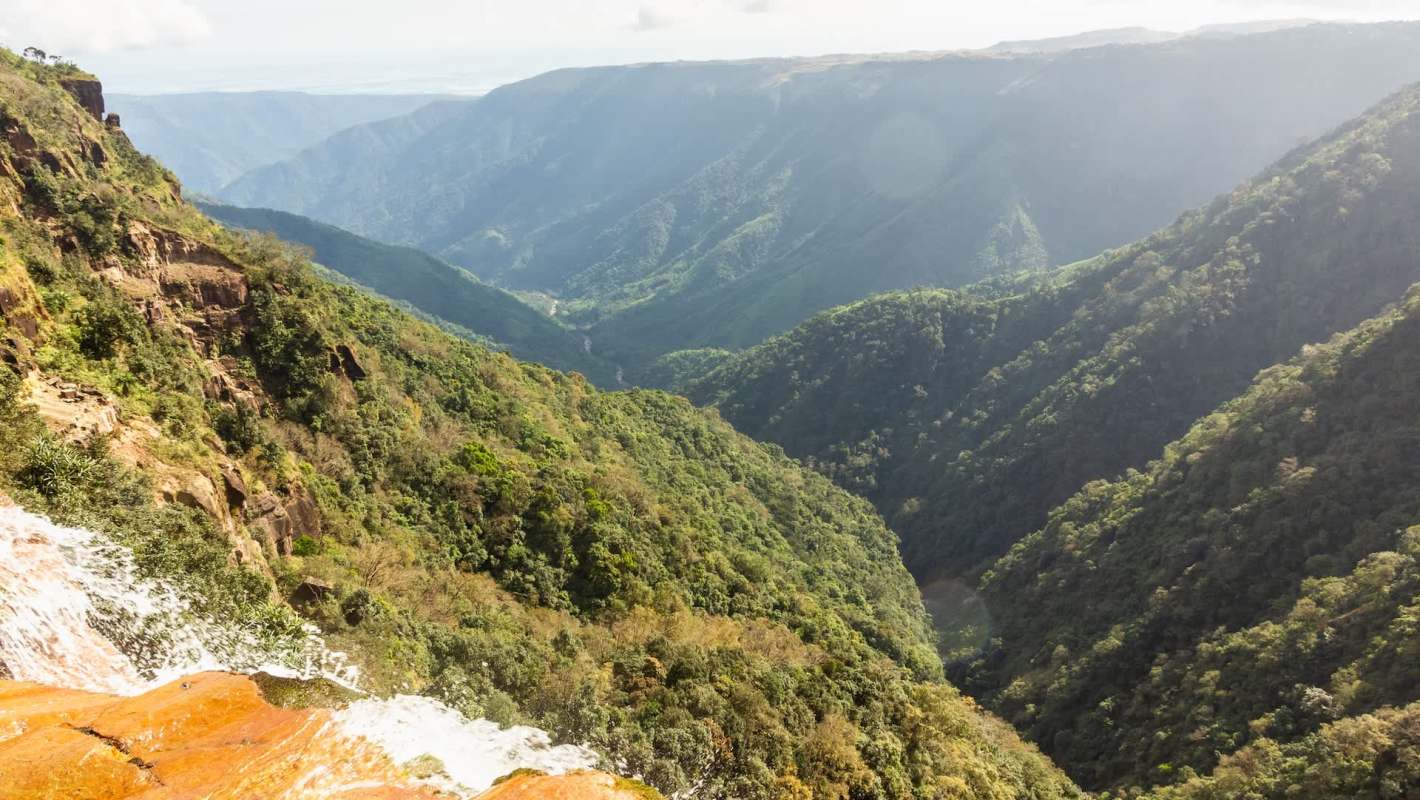
A rare species of orchid has been rediscovered in a delicate ecosystem in India after almost 200 years, exciting researchers while raising concerns about its future.
A Chamaegastrodia vaginata plant, a rare species of leafless orchid, was discovered in Khasi Hills by researchers from the Botanical Survey 175 years after it was first documented, according to a report from The Meghalayan Express.
The plant is so rare that, to verify its identity, the researchers had to consult historical literature and compare it to species preserved at the Royal Botanic Gardens.
The plant was first collected in 1850 by botanists J.D. Hooker and Thomas Thomson, but after that, it was never re-recorded by experts and assumed to be extinct in India entirely. Its only other known habitat is located in China.
Chamaegastrodia vaginata isn't just a rare orchid species due to its apparent infrequent sightings, but also because it is leafless and lacks chlorophyll, so it doesn't use photosynthesis like other plants. Instead, it draws nutrients from fungi underground that feed on decaying organic matter in the soil. It also has a brief flowering period and is smaller in size, making it easy to overlook.
The good news is that the area where the orchid was discovered has, for now, a healthy ecosystem and biodiversity to support its growth and reproduction. It also indicates that conservation efforts in the area have been working.
TCD Picks » Quince Spotlight
💡These best-sellers from Quince deliver affordable, sustainable luxury for all




Scientists have also been excited by the return of rare species to other habitats in India, like the sighting of a tigress and her cubs in the Khivni Wildlife Sanctuary.
Conservation is key to the survival of not just plants and wildlife, but humans as well. Maintaining healthy ecosystems means healthier air, soil, and water, along with mitigating pollution that contributes to the warming of the planet, per the International Fund for Animal Welfare.
Researchers were, of course, excited to find the plant, nicknamed the "ghost orchid," after all this time, but there were still concerns about its future. Fewer than 25 mature individuals were recorded in an area less than 20 square miles.
They also highlighted that the plants' unique feeding habits make them dependent on forest ecosystems that are vulnerable to disturbances. They warned that rapid urban expansion, habitat degradation from other factors, and tourism all pose major threats to the plant. Additionally, even small changes to the soil or canopy could wipe out the species locally.
"Due to the limited number of individuals in the population, this species warrants urgent conservation measures. Its future survival depends on the continued protection of its existing habitat," the researchers said, per The Meghalayan Express.
|
Which of these savings plans for rooftop solar panels would be most appealing for you?
Click your choice to see results and earn rewards to spend on home upgrades. |
 Save $1,000 this year 💸
Get TCD's free newsletters for easy tips, smart advice, and a chance to earn $5,000 toward home upgrades. To see more stories like this one, change your Google preferences here.







