


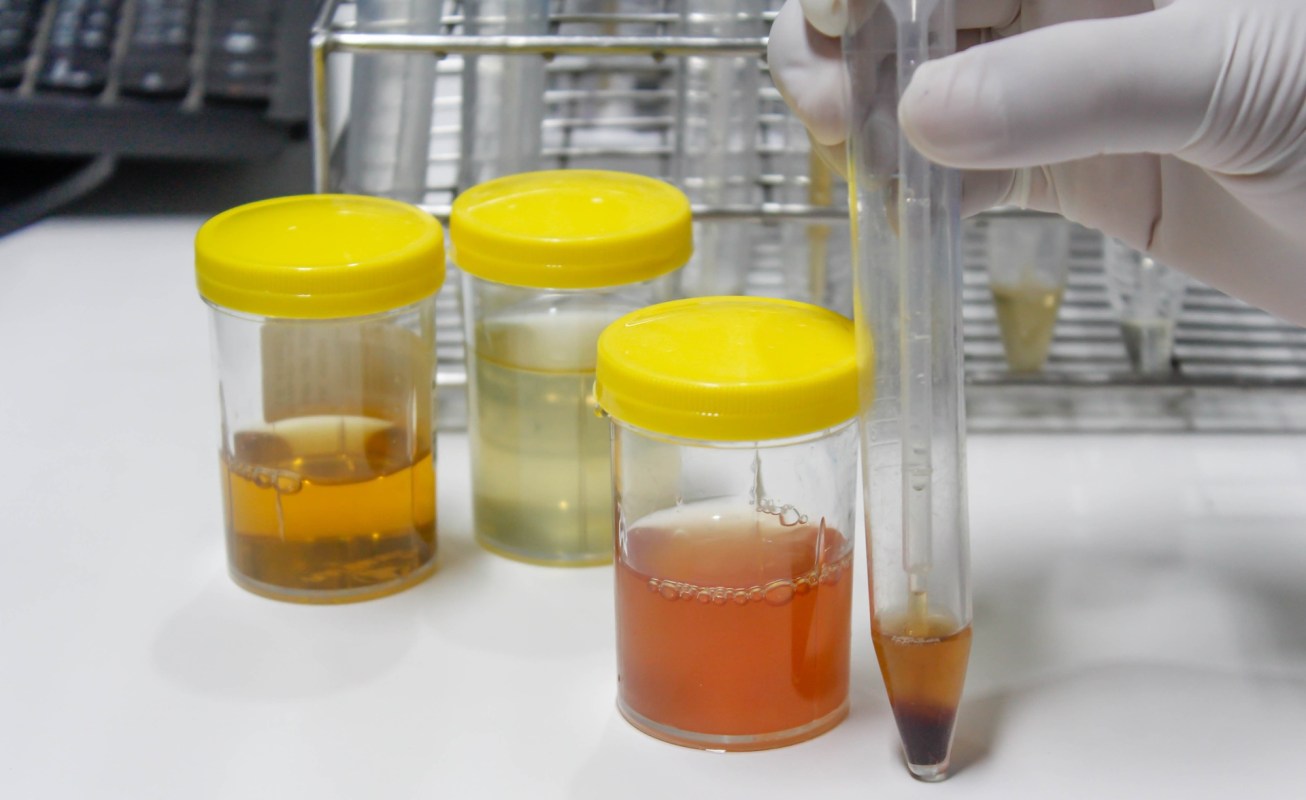
University of Surrey scientists are working to improve urine flow — but not in the setting you likely expect.
The England-based team is working with wastewater after it leaves the body, with the goal of better harvesting reusable nutrients that can benefit food plants when used as fertilizer, according to a news release.
It's timely research, as fertilizer is widely reported to be among the commodities exploding in price amid the Iran war. The Strait of Hormuz, which has been mostly closed to ship traffic, is a route for one-third of the global fertilizer trade, Fortune reported. The status of shipping there has been changing daily.
About 70% of the 5,700-plus farmers who responded to an American Farm Bureau Federation survey said they can't afford all of the fertilizer they need for crucial food and other crops.
Urine could be an unlikely solution for an alternative supply in the future.
"Our pee is an underutilized resource," Surrey lecturer Siddharth Gadkari said in the release. "Even though it contains the key nutrients we need for agriculture, we currently treat it as waste."
TCD Picks » Quince Spotlight
💡These best-sellers from Quince deliver affordable, sustainable luxury for all




Part of the problem is that urine — about 1% of wastewater — is surrounded by solids when treated, creating filtration problems. The experts found that forward osmosis is effective at pulling valuable nitrogen, phosphorus, and potassium from pee through a semipermeable membrane. But the flux, or flow, can become slowed by a buildup of solids, according to the release.
"Our research shows that with the right treatment approach, we can recover these nutrients efficiently while reducing energy demands," Gadkari said.
A large part of the improvement is simple: pre-filtration. By filtering the urine before osmosis, scientists can remove much of the organic matter that builds up on the membrane. This makes the system resilient for longer use, according to the summary.
Urine has hidden benefits being uncovered in other labs as well. A study in Niger revealed more evidence that pee can be an effective soil treatment and even a pesticide. Other experts are testing urine's ability to power microbial fuel cells to create electricity.
|
Which of these savings plans for rooftop solar panels would be most appealing for you?
Click your choice to see results and earn rewards to spend on home upgrades. |
 Save $1,000 this year 💸
 What's more, urine is abundant — each of us produces up to 1.95 liters a day (0.51 gallons) — and reusing it can alleviate the treatment burden on wastewater facilities. If successful, it could be a nearly limitless resource.
At Surrey, experts are confident that their findings can help to reduce the use of energy-intensive fertilizers, which carry environmental concerns. The researchers intend to lower fertilizer-related air pollution and improve water and nutrient management. The first step is managing fouled membranes.
"What is particularly exciting is that we have demonstrated how this system behaves under realistic conditions using real human urine. … This technology can move much closer to practical, long-term use," Gadkari said.

Get TCD's free newsletters for easy tips, smart advice, and a chance to earn $5,000 toward home upgrades. To see more stories like this one, change your Google preferences here.






