


Record temperatures and rampant pollution understandably get a lot of attention when it comes to any discussion of the changing climate.
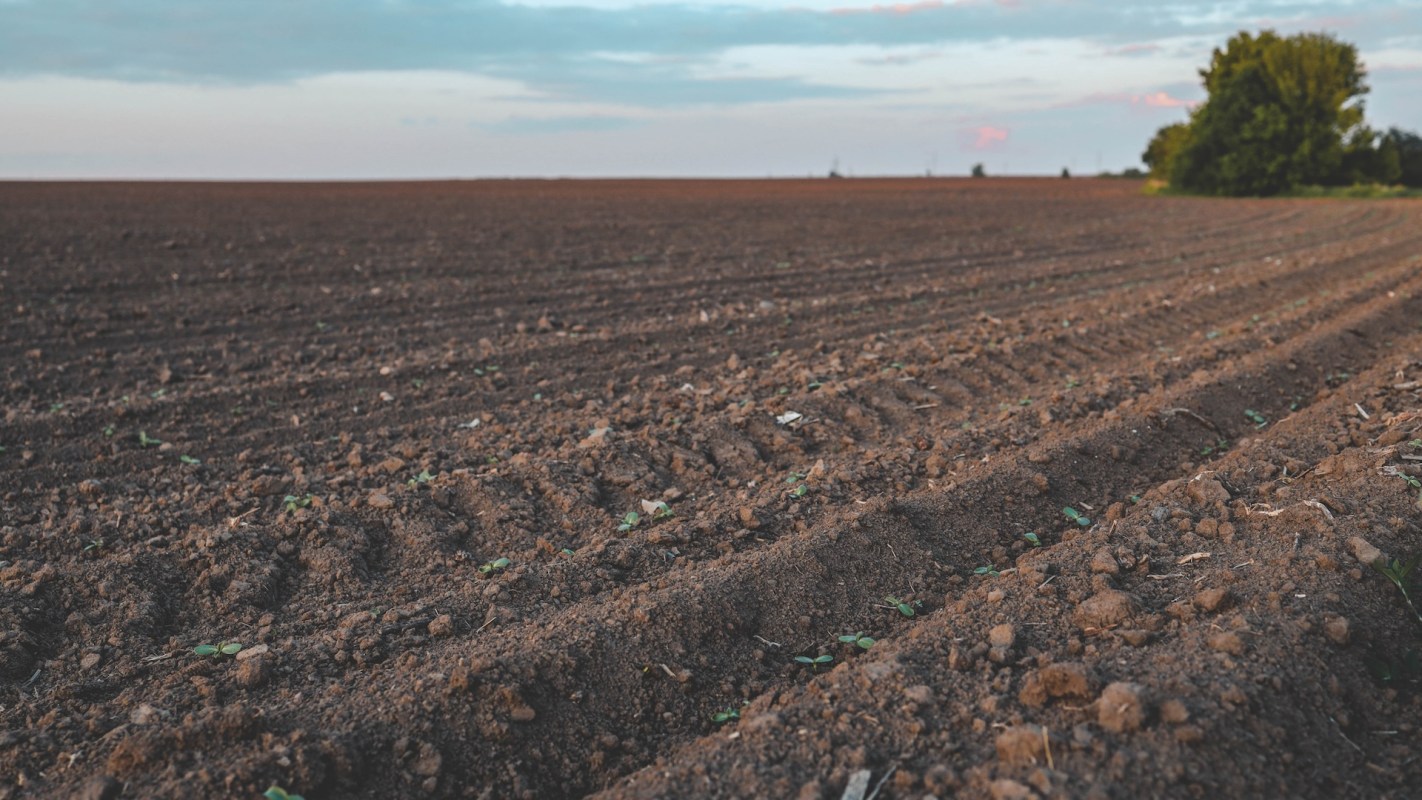
Nmesoma Ezetu, a contributor on Impakter, argued that an overlooked point is the soil degradation that follows, which is critical to human food sources and cooling the planet.
What's happening?
Soil plays a significant role as a carbon sink, as the Food and Agriculture Organization of the United Nations explained. Healthy soil can absorb carbon dioxide and prevent it from contributing to higher temperatures.
Meanwhile, soil faces more threats than ever. Ezetu points to rising temperatures as an initial one. Humans are directly making matters worse with deforestation, clearing out land, overusing agricultural plots, and employing various unscrupulous farming methods.
In Ezetu's eyes, this creates a vicious cycle in which soil degrades, which in turn prevents it from playing its part in absorbing carbon and regulating temperatures.
The warming planet means more intense extreme weather events, including heat waves, droughts, and rainfall, that impair the soil's function.
TCD Picks » Quince Spotlight
💡These best-sellers from Quince deliver affordable, sustainable luxury for all




Why is soil degradation concerning?
Beyond compromising the soil's ability to retain carbon and cool the planet, degraded soil is less effective for agriculture.
Ezetu points to areas such as sub-Saharan Africa where droughts can especially devastate crop yields. Indeed, around the world, crops are proving increasingly susceptible to extreme weather events.
Less robust soil definitely doesn't help, creating a less fertile and resilient base for cops. With extreme weather events already threatening farmers in these vulnerable areas, degrading soil makes lean harvests even more likely.
That can lead to food insecurity in short order. It can also crush rural economies and push more urbanization and development. Again, this leads to a vicious cycle, with the impacts of soil degradation promoting factors that make it worse.
|
Which of these savings plans for rooftop solar panels would be most appealing for you?
Click your choice to see results and earn rewards to spend on home upgrades. |
 Save $1,000 this year 💸
 What's being done about soil degradation?
Many areas in the world are in dire situations where considerations like the long-term sustainability of agriculture aren't the highest priority. While that's understandable, Ezetu believes a short-term view of soil will lead to long-term disaster.
An increased focus on soil health could enhance its value as a carbon sink and allow for more efficient agriculture. That's not to say that transitioning to clean energy and cutting down on pollution aren't vital to the future as well.
It's just to say that an important ally in safeguarding the earth's future is right below our feet, as Ezetu argued.
While general conditions such as rising temperatures and more intense weather events are degrading soil, there are actions that can slow this effect.
Implementing sustainable farming practices to regenerate soil health, as well as taking steps to reduce deforestation and overdevelopment, are necessary interventions.

Get TCD's free newsletters for easy tips, smart advice, and a chance to earn $5,000 toward home upgrades. To see more stories like this one, change your Google preferences here.







