


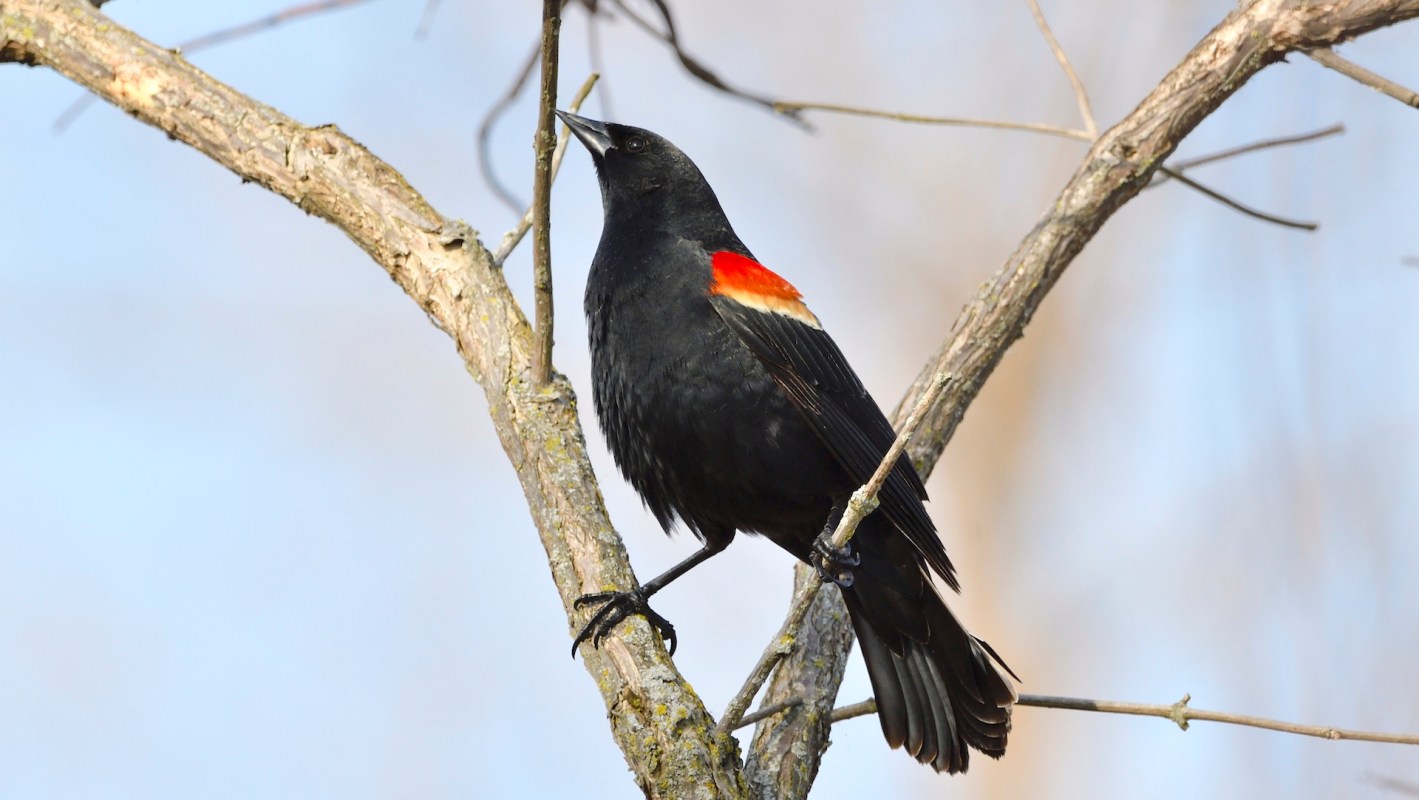
Bird populations across the U.S. have declined over the past several decades.
Now, researchers are taking notice of a recent acceleration of these losses, particularly in regions with intense human activity, according to the Conversation.
In a study analyzing the bird losses, published in the journal Science, researchers located the precise regions where populations are shrinking the fastest.
The regions with the strongest indication of bird losses, denoted as "hotspots," largely emerged in the southern United States.
These findings align with previous studies on the negative impact of warming temperatures on bird populations, yet the rapid acceleration of losses over the past few decades is a new cause for alarm.
By examining hotspots for bird losses in the US over time, researchers were able to uncover a clear pattern: these sites showed signs of intensive agriculture.
TCD Picks » Quince Spotlight
💡These best-sellers from Quince deliver affordable, sustainable luxury for all




While researchers cannot point to a singular agricultural practice most responsible for the amplified decline in bird populations, there is a clear connection between the most common disruptive practices and species decline.
Heavy machinery use, spraying herbicides and pesticides, and habitat displacement are just a few of the factors driving both the increased death rate and decreased reproduction of many plant and animal species.
Unfortunately, these practices are also harmful for humans, as researchers have linked agricultural chemicals to prominent health issues.
While farmers and agricultural workers may perpetuate the use of certain harmful practices, it's important to note that many techniques have more to do with a system that is difficult to change without regulatory action.
|
Which of these savings plans for rooftop solar panels would be most appealing for you?
Click your choice to see results and earn rewards to spend on home upgrades. |
 Save $1,000 this year 💸
 "It's also important to remember that agricultural workers themselves are the most exposed to the same chemicals that affect ecosystems," said François Leroy, a contributor to the study, per the Conversation.
Beyond the immediate impacts, these animal losses should be taken as an early warning sign, especially as the rate of species decline continues to accelerate.
By heeding the warning, officials can implement appropriate regulatory measures within the agricultural industry that will not only protect the future of bird species but also promote healthy food production systems.

Get TCD's free newsletters for easy tips, smart advice, and a chance to earn $5,000 toward home upgrades. To see more stories like this one, change your Google preferences here.







