


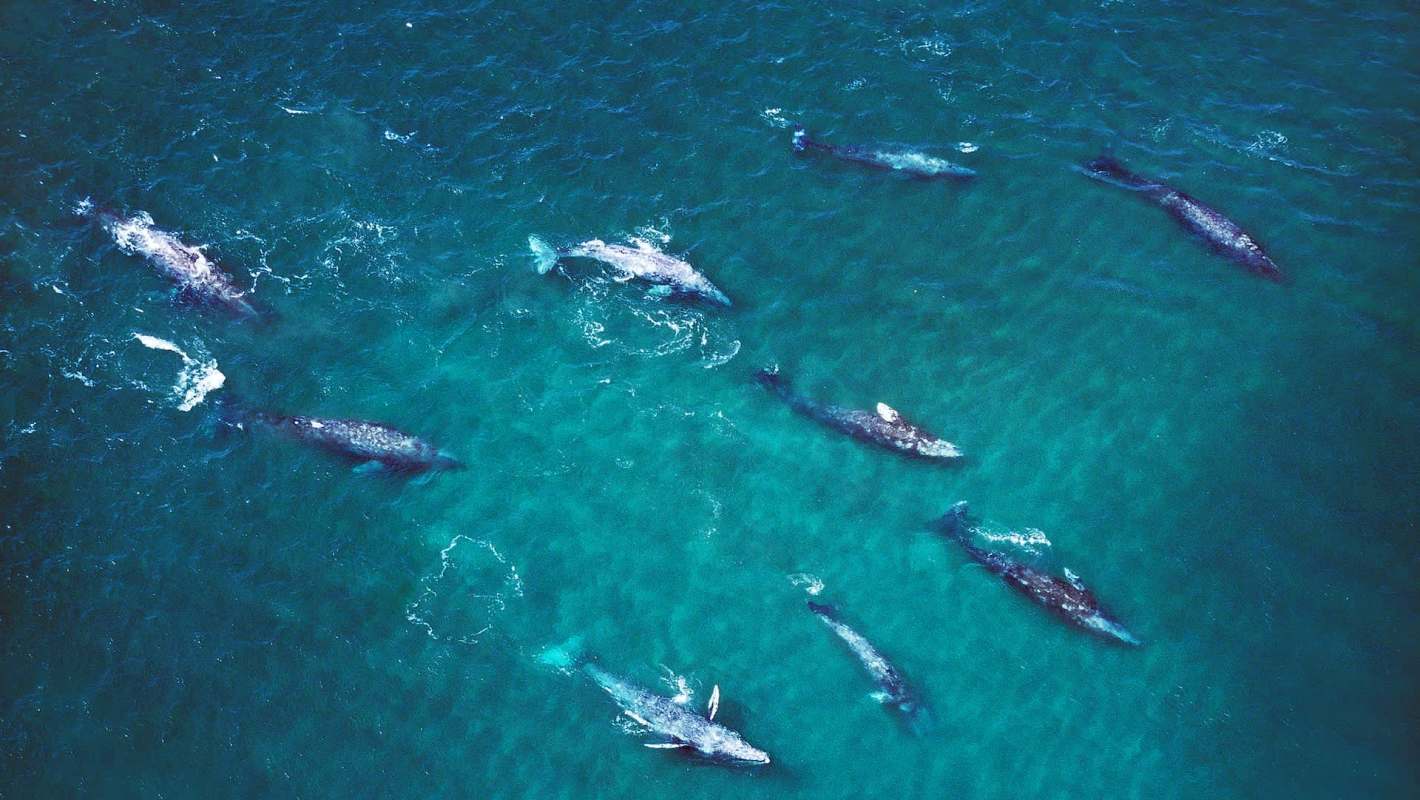
Gray whales are appearing more frequently in San Francisco Bay. But for many, the journey is ending in tragedy.
New research suggests the busy waterway has become a danger zone for these massive marine mammals, with a notable number dying after entering the bay in recent years, according to The New York Times.
What's happening?
A recent study found that nearly 18% of gray whales entering the bay between 2018 and 2025 died. Of those deaths, at least 40% were caused by collisions with large vessels moving through the congested harbor.
These figures likely represent only a fraction of the reality. Many whale deaths go undocumented because carcasses never wash ashore, meaning the true toll could be remarkably higher.
"It's really important to understand that these are just minimums that we were fully able to confirm," said lead author Josephine Slaathaug, per the Times.
Last year, nearly two dozen whale carcasses were found in the region, and additional deaths have already been reported this season.
TCD Picks » Quince Spotlight
💡These best-sellers from Quince deliver affordable, sustainable luxury for all




Why is gray whale mortality concerning?
Gray whales undertake one of the longest migrations of any animal, traveling from Arctic feeding grounds to breeding areas off Mexico. But warming ocean conditions are disrupting their food supply in the Arctic, pushing more whales to search for food elsewhere, including inside San Francisco Bay.
"With climate change, there's less prey available to them in the Arctic," said Kathi George, director of cetacean conservation biology at the Marine Mammal Center, per the Times. "So whales aren't getting as much food as they need to survive these long migrations."
That's where the risk intensifies. San Francisco Bay is one of the busiest waterways on the West Coast, filled with cargo ships, ferries, and tankers. For whales already weakened by long migrations and limited food, avoiding fast-moving vessels becomes even more difficult.
"It's such a uniquely complex and busy waterway," said Rachel Rhodes, a scientist with the Benioff Ocean Science Laboratory, per the Times. "Then you add whales into the mix, and there's just not a lot of room to coexist."
|
Which of these savings plans for rooftop solar panels would be most appealing for you?
Click your choice to see results and earn rewards to spend on home upgrades. |
 Save $1,000 this year 💸
 Beyond the immediate loss of life, the impacts can ripple outward. Gray whale populations along North America's Pacific coast have already declined in recent years. Continued losses could slow recovery and disrupt ocean ecosystems that support fisheries to coastal health.
What's being done about gray whale mortality?
Scientists and conservation groups are working to make these waters safer.
Programs such as Whale Safe are using real-time tracking to alert ship captains when whales are nearby, encouraging them to slow down or adjust course.
Another initiative, Blue Whales Blue Skies, partners with shipping companies to voluntarily reduce vessel speeds.

Get TCD's free newsletters for easy tips, smart advice, and a chance to earn $5,000 toward home upgrades. To see more stories like this one, change your Google preferences here.







