


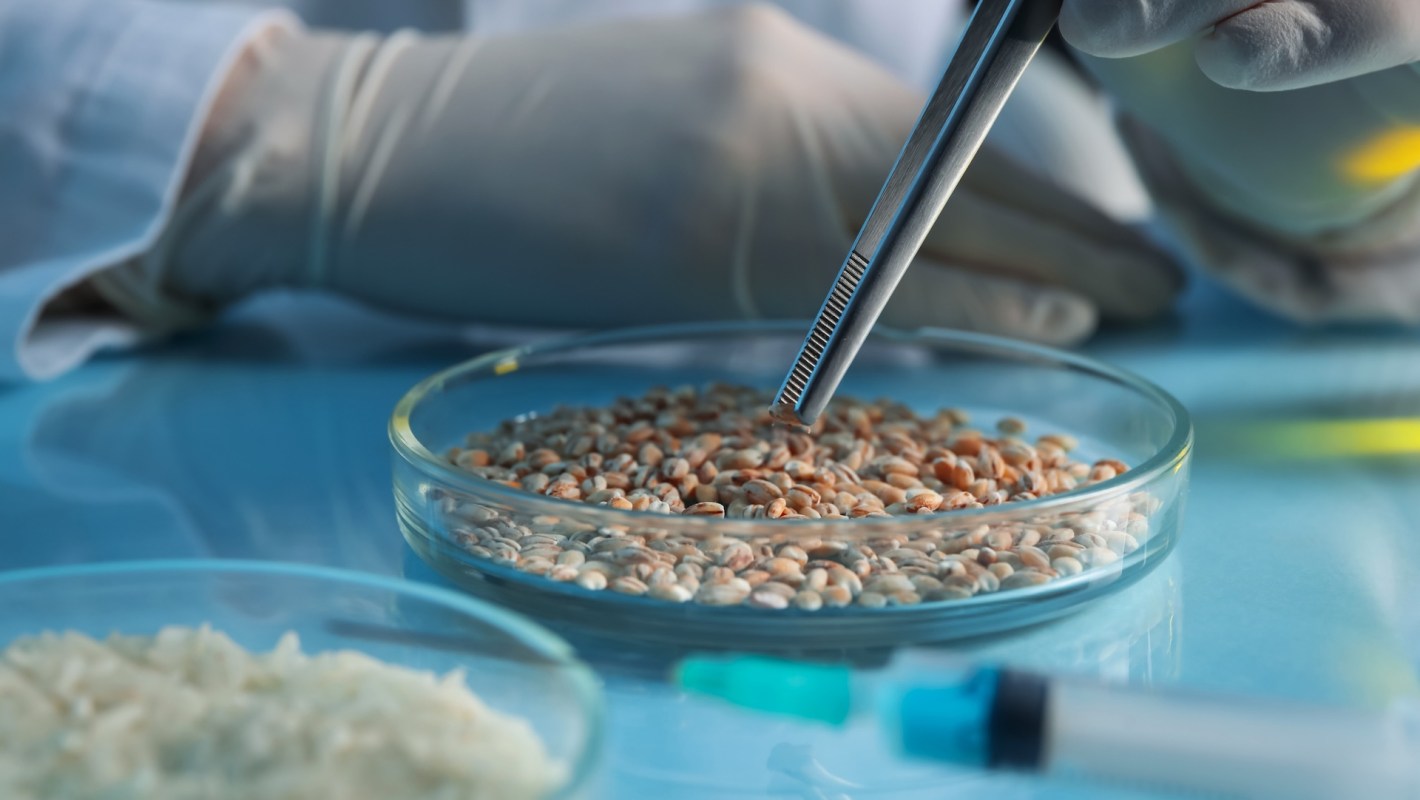
The quest for a healthier and longer life has been underway since time immemorial. Now, gene-edited wheat could play a key role in reducing exposure to carcinogens.
Scientists at Rothamsted Research announced in a media release that they and their partners have developed wheat with drastically lower levels of acrylamide, a chemical formed when starchy foods like bread are baked, fried, grilled, and toasted.
Even though acrylamide is natural — and not derived from petroleum like synthetic food dyes — that doesn't mean it is without risk. The International Agency for Research on Cancer, the U.S. National Toxicology Program, and the Department of Health and Human Services have all classified it as a probable carcinogen, according to the Centers for Disease Control and Prevention.
That's where CRISPR gene-editing can help. According to the researchers, making targeted edits to the synthetase-2 gene behind asparagine production reduced free asparagine by 59%. A dual-edited line yielded a more drastic free asparagine reduction of up to 93%.
The synthetase-2 gene edits not only reduced free asparagine but also had no impact on crop yields. In contrast, conventional TILLING methods slash yields by nearly 25%.
"This work demonstrates the power of CRISPR technology to deliver precise, beneficial changes in crop genetics. With supportive regulatory frameworks, we can unlock significant benefits for agriculture and food systems," lead researcher Navneet Kaur said in the release.
TCD Picks » Quince Spotlight
💡These best-sellers from Quince deliver affordable, sustainable luxury for all




Because they don't occur naturally, genetically modified foods have been a source of controversy. However, they could be the next evolution of selective breeding, which has been practiced for thousands of years to achieve more desirable traits in food.
In addition to minimizing carcinogen exposure, other potential benefits include a healthier, more robust supply chain and crops that are better able to withstand climate challenges.
The discovery comes at a crucial time. As the Guardian noted, the U.K. passed the Genetic Technology (Precision Breeding) Act in 2023, easing the way for the development and sale of genetically modified crops and animals. The European Commission, an important trade partner, is also expected to release new guidance on maximum acrylamide levels in food later this year, the researchers revealed.
"Low acrylamide wheat could enable food businesses to meet evolving safety standards without compromising product quality or incurring major production costs," study lead Professor Nigel Halford said in the release. "It also offers a meaningful opportunity to reduce the dietary exposure of consumers to acrylamide."
|
Which of these savings plans for rooftop solar panels would be most appealing for you?
Click your choice to see results and earn rewards to spend on home upgrades. |
 Save $1,000 this year 💸
Get TCD's free newsletters for easy tips, smart advice, and a chance to earn $5,000 toward home upgrades. To see more stories like this one, change your Google preferences here.






