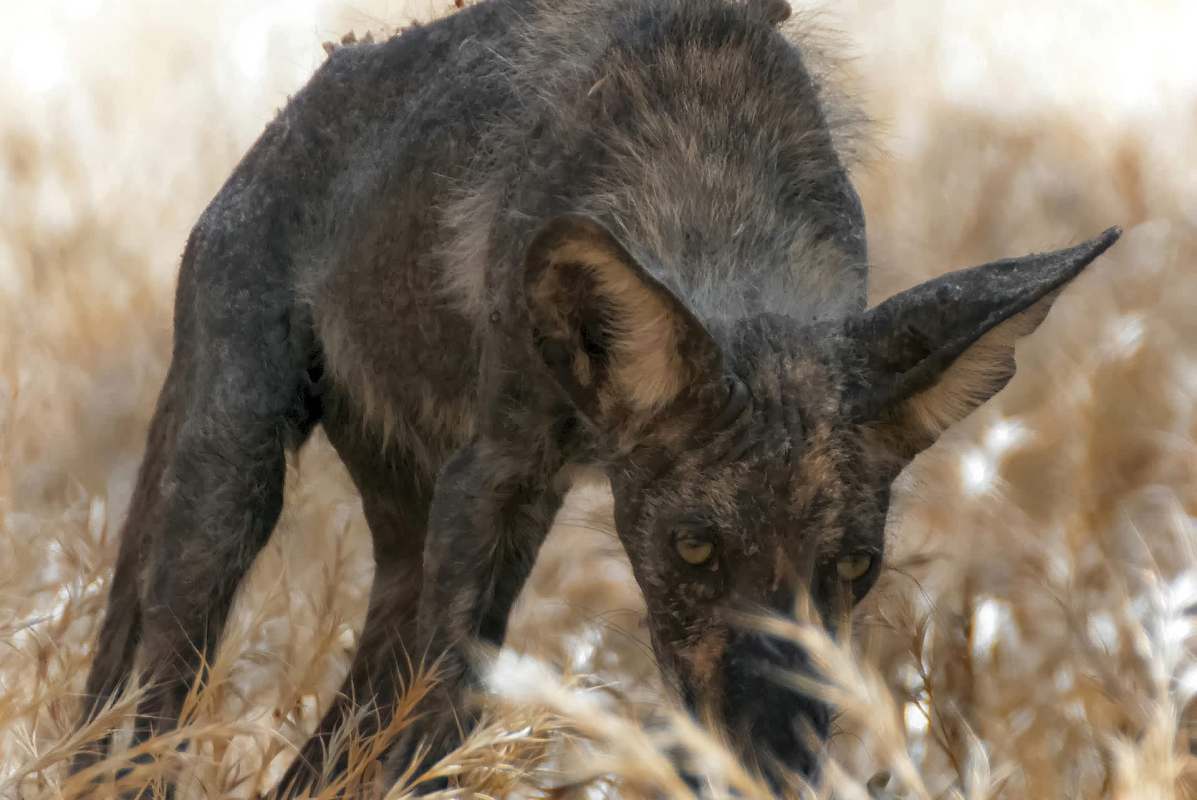
People and dog owners in the Pacific Northwest are officially on notice for an on-the-move parasite. In a worrying finding, scientists discovered Echinococcus multilocularis is spreading from the Midwest and Canada.
A survey of 100 coyotes in the Puget Sound area by University of Washington researchers discovered the disease-causing tapeworm in 37 of them. The study was published in PLOS Neglected Tropical Diseases, and the rapid spread of the parasite raised alarms.
"There have been numerous cases of dogs getting sick, and a handful of people have also picked up the tapeworm," said lead author Yasmine Hentati in a UW press release. "The fact that we found it here in one-third of our coyotes was surprising, because it wasn't found anywhere in the Pacific Northwest until earlier this year."
E. multilocularis was once mostly limited to Europe and Asia. That was until around 2010, when cases began cropping up in the U.S.
While coyotes and other canids can endure the infection without adverse effects, humans, rodents, and some domestic dogs aren't so lucky. Ingestion can lead to the formation of cysts that resemble liver cancer over time and can be fatal.
The parasite works in a vicious cycle. Rodents eat the feces of coyotes containing their eggs. In turn, they can fall sick and be eaten by other coyotes, kick-starting the process again.
TCD Picks » Quince Spotlight
💡These best-sellers from Quince deliver affordable, sustainable luxury for all




Humans and pets can unwittingly become accidental hosts. If humans eat food that has traces of dog or coyote poop with the parasite, they can contract Alveolar echinococcosis. Complicating things is that symptoms often do not manifest for five to 15 years.
Pets can get sick if they hunt rodents or pick at their remains. That isn't typical, but there have been seven cases of the E. multilocularis in the Pacific Northwest since 2023.
There have been few human cases reported in the U.S., including none on the West Coast. Still, with the tapeworm taking hold, it's best to exercise caution and look out for warning signs.
"The main takeaway is that Echinococcus multilocularis is here, it's pretty prevalent in the local coyote population, and people should be aware of potential risks," Hentati concluded, per UW.
|
Which of these savings plans for rooftop solar panels would be most appealing for you?
Click your choice to see results and earn rewards to spend on home upgrades. |
 Save $1,000 this year 💸
Get TCD's free newsletters for easy tips, smart advice, and a chance to earn $5,000 toward home upgrades. To see more stories like this one, change your Google preferences here.