


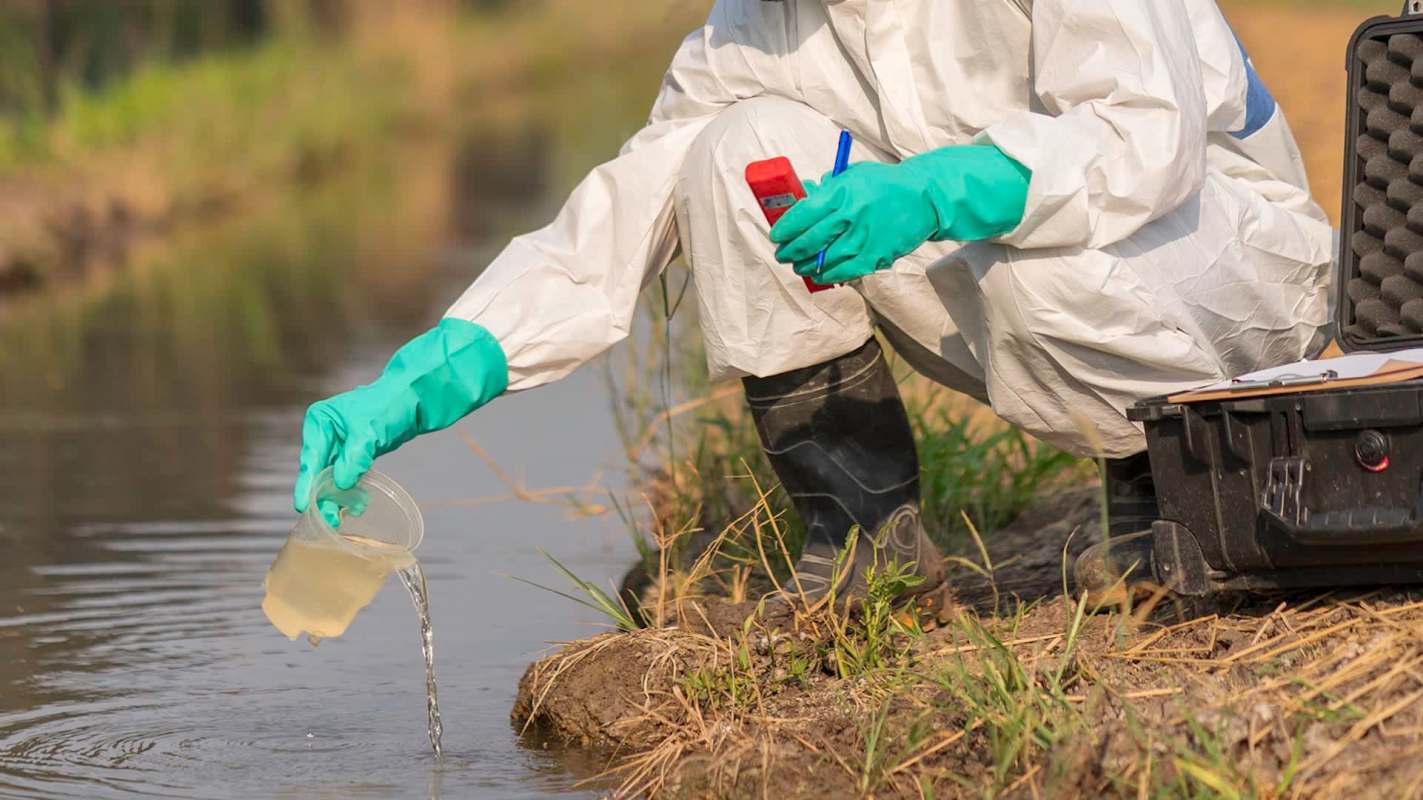
Iowa's Fields of Opportunity are exacting a toll as winters grow milder in the Hawkeye State and beyond. According to the Associated Press, this year, Des Moines filtered harmful nitrates from its drinking water in the winter for just the second time in three decades.
The filtration events occurred in January and February and cost approximately $16,000 per day. As a result, Iowans could see higher water bills.
Still, running the filtration system was necessary because nitrate pollution is associated with cancer, thyroid disease, and blood disorders such as blue baby syndrome, as Polk County noted in its 2025 analysis of the Raccoon and Des Moines rivers in Central Iowa.
But treating the symptom — nitrates in the water — doesn't address the source in a state where agriculture is a keystone industry and nitrate pollution has been an ongoing matter of concern.
As Polk County noted in its analysis, "Nitrate was not always prevalent in Iowa surface waters at the levels we see today."
However, "With the widespread alteration of Iowa's landscape from native prairies and savannah to agricultural systems cropping and urban areas, nitrate concentrations have risen far above their natural levels."
TCD Picks » Quince Spotlight
💡These best-sellers from Quince deliver affordable, sustainable luxury for all




Unfortunately, an unsustainable cycle is further complicating matters.
Warmer temperatures impact crop yields and increase the demand for chemical fertilizers and pesticides on farms. But with farmland not staying consistently frozen, rain and snowmelt carry those same chemicals directly into waterways.
As a result, winter nitrate pollution events could become more frequent.
"Are they going to occur every year? No," said state climatologist Justin Glisan, per the AP. "But the ingredients are there for them to potentially occur more often."
This could be especially problematic for small communities without the infrastructure to filter nitrates, in addition to the 43 million people in the country who depend on private wells as their primary water source, according to the U.S. Geological Survey.
In the comment section, one reader suggested, "If you're on a well in rural America, it would behoove you to install a whole home filtration system."
But another fired back, "Please tell me how we're going to afford all that."
Amy Kahler is the CEO and general manager at Des Moines Water Works, and she believes polluters should be held accountable for their damaging ways.
"There really are two paths," Kahler said, per the AP. "One is conservation efforts and responsible watershed practices. And the other is spending hundreds of millions of dollars in treatment solutions."
|
Which of these savings plans for rooftop solar panels would be most appealing for you?
Click your choice to see results and earn rewards to spend on home upgrades. |
 Save $1,000 this year 💸
Get TCD's free newsletters for easy tips, smart advice, and a chance to earn $5,000 toward home upgrades. To see more stories like this one, change your Google preferences here.







