


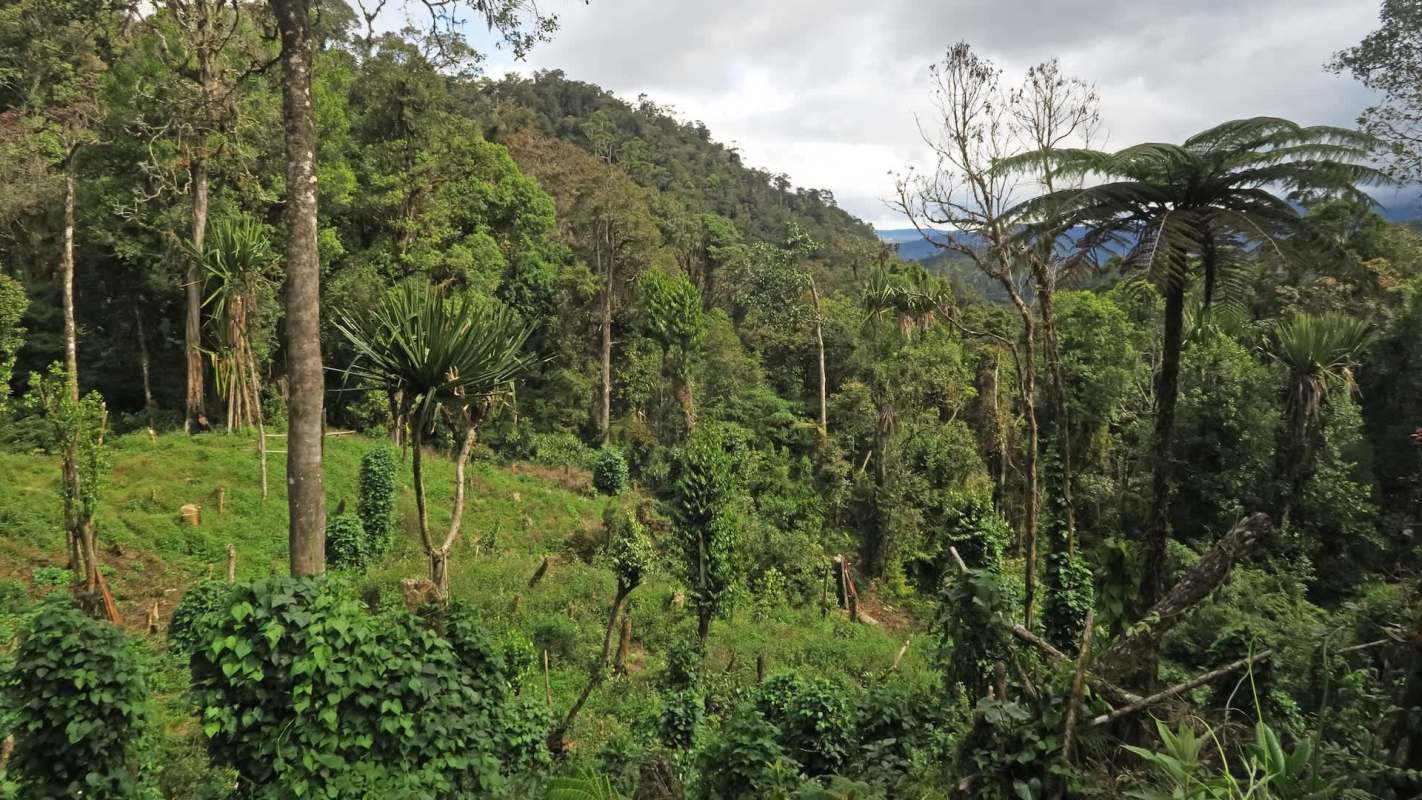
A scientific discovery has shown that the humble citizen scientist can play a critical role in uncovering more of the Earth's mysteries.
The Miami Herald reported on how Carlos Bocos' decision to upload photos of a thought-to-be-extinct marsupial species to iNaturalist helped confirm its rediscovery in New Guinea.
Bocos' pictures of the pygmy long-fingered possum provided much-needed evidence for researchers worldwide, including those at the Australian Museum and the Bishop Museum. The creature had only previously been recorded as a fossil, with experts believing it had been extinct for 7,000 years.
Bocos' significant discovery earned him a listing as a co-author on a study announcing that both the possum and ring-tailed gliders now meet the definition of Lazarus species — creatures that were once thought to be extinct but have since been found alive.
"The discovery of one Lazarus taxon, even if thought to have become extinct recently, is an exceptional discovery," Tim Flannery of the Australian Museum said in a press release.
The photographs of the pygmy long-fingered possum, combined with a couple of preserved specimens at the University of Papua New Guinea, gave researchers a great start.
TCD Picks » Quince Spotlight
💡These best-sellers from Quince deliver affordable, sustainable luxury for all




They added further confirmation of the creatures' presence after engaging with the local Indigenous community. The process showed that people from inside and outside of the lab or museum play a role in documenting nature's wonders.
Platforms like iNaturalist can help researchers around the globe by recording sightings that might otherwise go unobserved during expeditions. Since the website was founded in 2008, it has become a major resource for ecologists, with scientific studies using data or images as references. The pictures can even encourage experts to take research trips to learn more.
This can lead to natural areas earning protection rights to ensure the survival of rare species, boosting biodiversity and a healthy ecosystem.
This might be among the most high-profile and remarkable finds that iNaturalist has assisted with, and it has found an important niche as a valuable conservation source. Images on the website helped identify a lost wildflower in Queensland, Australia, and a group of citizen scientists also found a South African moth that had not been seen since 1875.
This is one part of your life where you don't have to worry about being accused of oversharing. Bocos is almost certainly not the last citizen scientist to get his name published in a study, so if you see something special, don't hesitate to post it to iNaturalist.
|
Which of these savings plans for rooftop solar panels would be most appealing for you?
Click your choice to see results and earn rewards to spend on home upgrades. |
 Save $1,000 this year 💸
Get TCD's free newsletters for easy tips, smart advice, and a chance to earn $5,000 toward home upgrades. To see more stories like this one, change your Google preferences here.







