


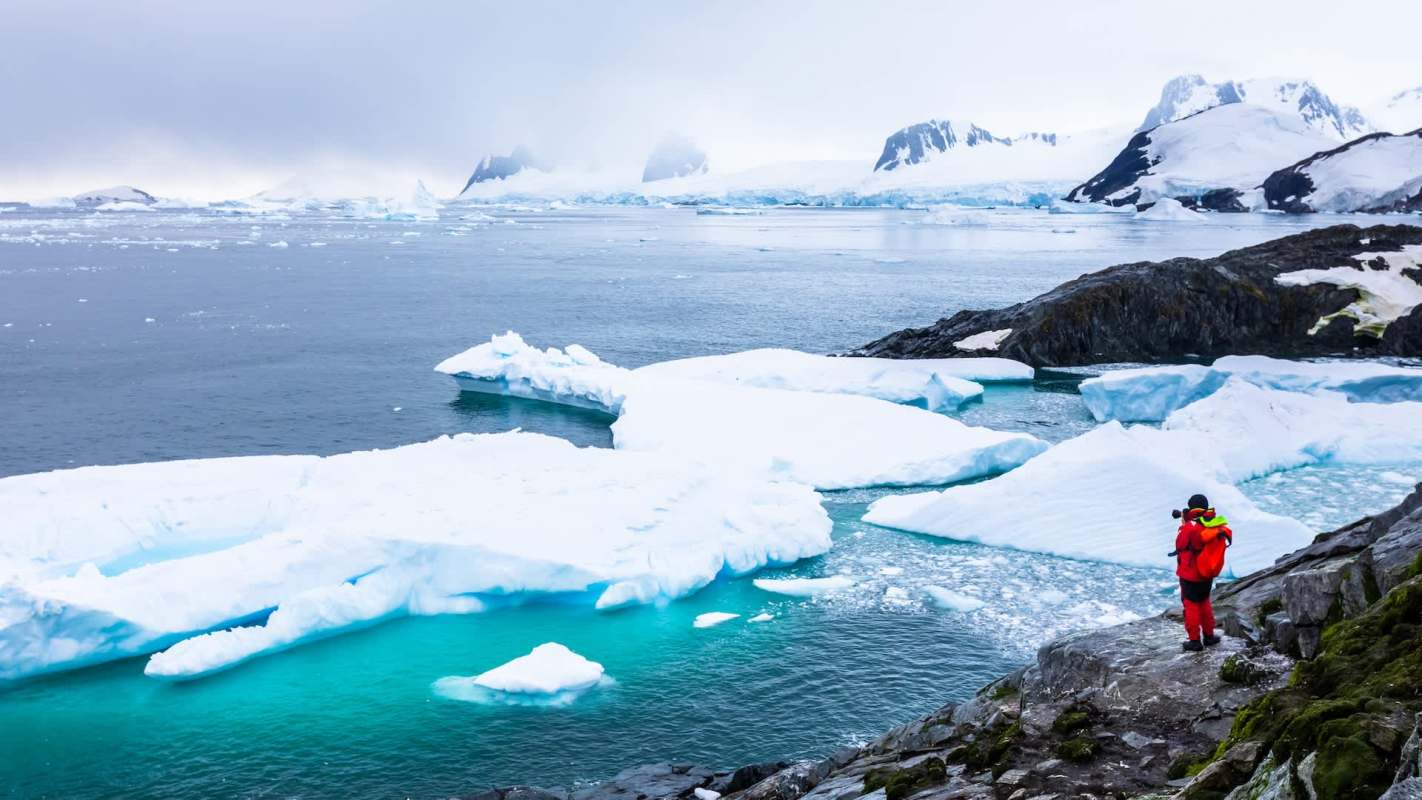
As increasing air pollution traps heat inside our atmosphere, the average temperature of the world rises. One well-known effect of that increase is that the ice caps and glaciers of the world are melting, raising the sea level as they do.
One particularly worrisome example is the Thwaites Glacier, colloquially known as the Doomsday Glacier in West Antarctica. An expedition sent to study the rapid collapse of this glacier arrived at the study site earlier this year, according to Astrobiology.
What's happening?
Researchers from the British Antarctic Survey and the Korea Polar Research Institute joined together in an expedition to an ice shelf near the fastest-flowing section of the Florida-sized glacier.
There, they were slated to spend two weeks drilling through the ice to place instruments in the water underneath the glacier and collect at least a year's worth of vital data from the location.
Although researchers would use a hot water drill to get through the ice quickly, it was still expected to take weeks of work due to the incredible distance they would have to cut. The ice of the glacier is more than 6,500 feet thick in some places, and although it is thinning, there is still a long distance to travel between the surface and the water below the glacier.
Why is getting these readings important?
This might seem unnecessary — after all, there are many glaciers in the world which are much easier to research — but the Thwaites Glacier is a special case. The ice shelf currently being worn away holds an incredible amount of water, enough to raise the global sea level by more than two feet if it broke.
TCD Picks » Quince Spotlight
💡These best-sellers from Quince deliver affordable, sustainable luxury for all




Meanwhile, the breaking of that shelf would serve as a gateway, allowing the ocean into the basin behind it. Even more ice would melt not long after, raising the sea level 11 feet. That's enough to do serious damage to coastal cities like New York.
"This is one of the most important and unstable glaciers on the planet, and we are finally able to see what is happening where it matters most," said Dr. Peter Davis, a physical oceanographer at the British Antarctic Survey, per the Astrobiology.
"This is an extremely challenging mission. For the first time we'll get data back each day from beneath the ice shelf near the grounding line. We'll be watching, in near real time, what warm ocean water is doing to the ice 1,000 metres below the surface. This has only recently become possible — and it's critical for understanding how fast sea levels could rise."
What's being done about the Thwaites Glacier?
Collecting this data is an important step in understanding how the glacier is being worn away by warm water from below. This is a major part of the puzzle when deciding what to do about its rapid decline. Depending on what the researchers find, there may be mitigation measures such as forming new ice.
Meanwhile, everyday people can help by reducing their energy usage and avoiding waste and litter, minimizing their impact on the planet.
|
Which of these savings plans for rooftop solar panels would be most appealing for you?
Click your choice to see results and earn rewards to spend on home upgrades. |
 Save $1,000 this year 💸
Get TCD's free newsletters for easy tips to save more, waste less, and make smarter choices — and earn up to $5,000 toward clean upgrades in TCD's exclusive Rewards Club.







