


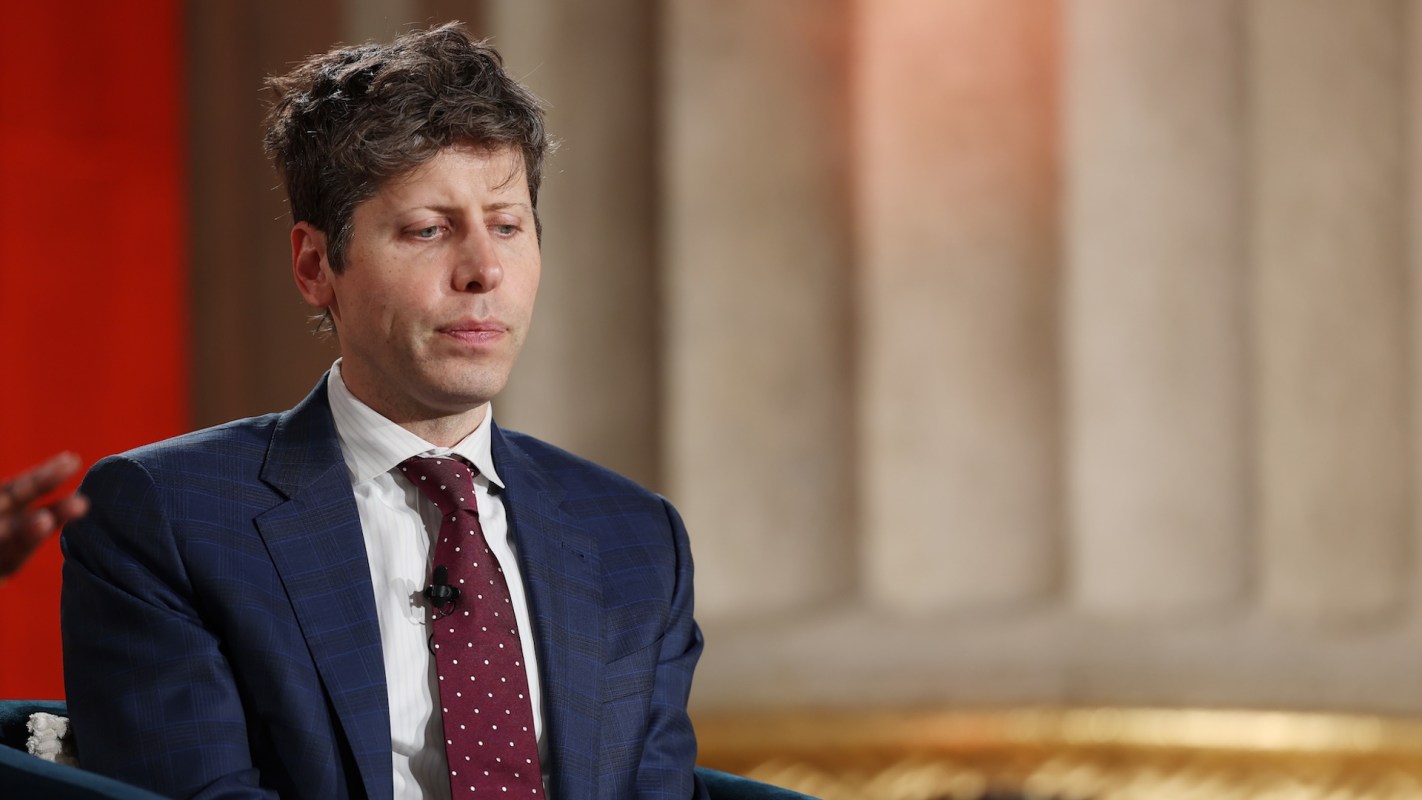
On April 6, The New Yorker released an incredibly detailed investigation into OpenAI CEO Sam Altman, exposing some less-than-savory details about Altman.
During a contentious period as OpenAI prepares for an initial public offering, journalists Ronan Farrow and Andrew Marantz uncovered the results of a scathing investigation into the embattled tech CEO.
The investigation was titled "Sam Altman may control our future — can he be trusted?" In the first paragraph, Farrow and Marantz expose the content of secret memos from 2023 in which other OpenAI board members disparage Altman, saying, "I don't think Sam is the guy who should have his finger on the button."
Beyond the use of secret memos, the investigation dissects human resources documents, Slack messages, over 100 interviews, private notes, and photographs. Some of the memos that were a part of the investigation had not been fully disclosed previously.
Yet many contain allegations from other board members about Altman's behaviors. One such memo includes a list of "consistent patterns" that Altman allegedly exhibits, including lying.
Other findings include the claim that Altman lied to the board about obtaining safety approvals for some of ChatGPT's more controversial features, and that Altman alerted Mira Murati (the interim CEO after Altman's sudden, brief departure in 2023) that people were "finding bad things" to harm her reputation.
TCD Picks » Quince Spotlight
💡These best-sellers from Quince deliver affordable, sustainable luxury for all




The company's flagship product, ChatGPT, has already disrupted many aspects of daily life for Americans. While some uses of AI allow for enormously increased efficiency for repetitive tasks or the scanning of large amounts of data, there are plenty of reasons that half of Americans are more cautious than excited about the proliferation of AI.
As one user on X wrote in response to the article: "Trust has to be the infrastructure. The company building the most consequential AI in history reportedly has a foundation that multiple board members, executives, and investors have questioned for years. And as the technology compounds, the trust problem compounds too. That's the part nobody's writing a policy blueprint for."
Another added about the allegations: "Very much similar to certain ai patterns also: untruthful at times, probabilistic, attempt to be liked/ever agreeing [with] you (on the surface)."
Many fear that the energy-intensive data centers required for the widespread use of AI are making electricity more expensive. Others point to data centers' immense need for water resources. But perhaps the most widespread fear is that AI will replace countless workers, displacing livelihoods across numerous sectors.
So, regardless of who leads OpenAI, it's clear that we need more protections so that people can avoid the massive downsides of this new technology.
|
Which of these savings plans for rooftop solar panels would be most appealing for you?
Click your choice to see results and earn rewards to spend on home upgrades. |
 Save $1,000 this year 💸
Get TCD's free newsletters for easy tips to save more, waste less, and make smarter choices — and earn up to $5,000 toward clean upgrades in TCD's exclusive Rewards Club.






