


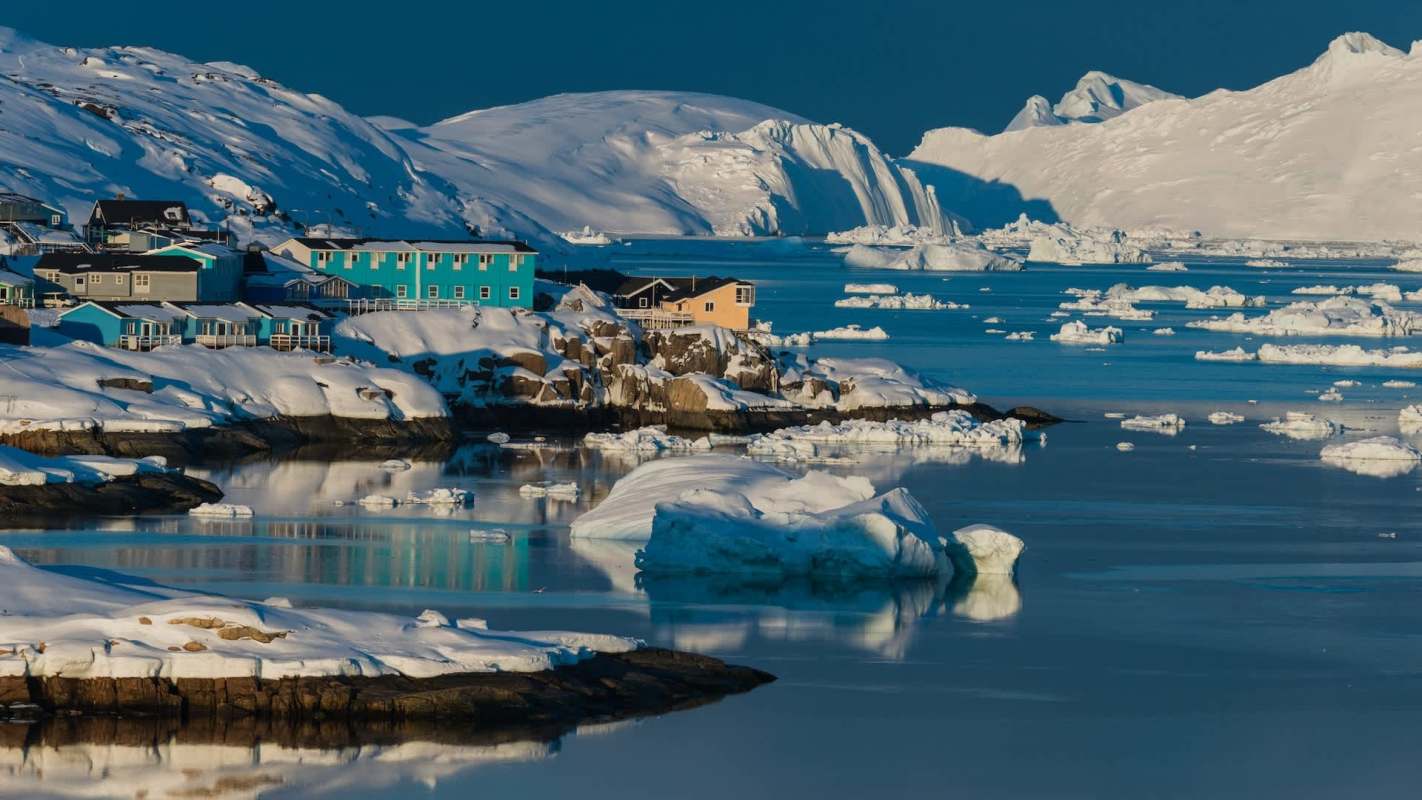
In Greenland, rapidly melting sea ice isn't just affecting local fish and animals. It's also creating major changes in fishing, the region's dominant industry, and presenting an uncertain future.
What's happening?
As Euronews reported, changes related to a warming climate are upending the lives of fishers. Increasing temperatures are causing ice to thin, pushing traditional ice fishers to venture out to sea.
This shift began around 1997, according to Karl Sandgreen, head of the Icefjord Center. Many fishers once drilled holes in the ice to fish, but now they have to go out on boats. That is a pricier endeavor and also adds pollution into the mix through the harmful fuels that power the vessels.
The impact is also threatening the way of life for fishers. Smaller village economies are typically dependent on local catches by fishers operating as independent contractors for Royal Greenland, the country's biggest employer.
Toke Binzer, the company's CEO, noted that they provide loans to fishers to acquire boats, which they repay through their catches. That sort of arrangement is at risk given the uncertainty for fishers about where to find fish.
The changes could encourage more fishers to band together for commercial operations. That could increase short-term efficiency but lead to overfishing and disruption to an industry that accounts for 95% of Greenland's exports.
TCD Picks » Quince Spotlight
💡These best-sellers from Quince deliver affordable, sustainable luxury for all




Why is melting sea ice concerning for Greenland's fishing industry?
The warmer ocean conditions are creating increasing challenges in catching fish. Some fishers are observing that fish are fleeing for colder waters.
"It's too warm," fisherman Helgi Áargil told Euronews. "I don't know where the fish is going, but there's not so much."
This uncertainty within the fishing sector could disrupt Greenland's regional economies and increase pressure on fish populations. While tourism is growing, it still pales in comparison to revenue from fishing.
There is a chance of a boom in local fish populations due to increased nutrients in the water from melting ice caused by rising temperatures. Still, this could be undone by the unpredictability of how fish react to melting ice.
|
Which of these savings plans for rooftop solar panels would be most appealing for you?
Click your choice to see results and earn rewards to spend on home upgrades. |
 Save $1,000 this year 💸
 Overfishing, which is already being observed in the shrinking size of local halibut, could also make that short-term rise a long-term problem.
What's being done about Greenland's melting ice?
Researchers are studying the nation's melting ice in initiatives like the Greenland Rising Project. Other moves, such as careful conservation and monitoring for overfishing, can help ensure that the local fish aren't eradicated as fishing becomes more consolidated.
Scientists are also exploring ways to make these communities more resilient as changes like ice melt continue to accelerate.
Meanwhile, reducing human-caused pollution is essential to stop temperatures from reaching unmanageable highs. While the problem in Greenland's waters might seem distant to most, making positive changes at home can still make a difference.
Consider installing solar panels to minimize reliance on grid-provided power, which is still heavily reliant on burning coal, gas, and oil. You can even save money on energy bills in the process.

Get TCD's free newsletters for easy tips to save more, waste less, and make smarter choices — and earn up to $5,000 toward clean upgrades in TCD's exclusive Rewards Club.







