


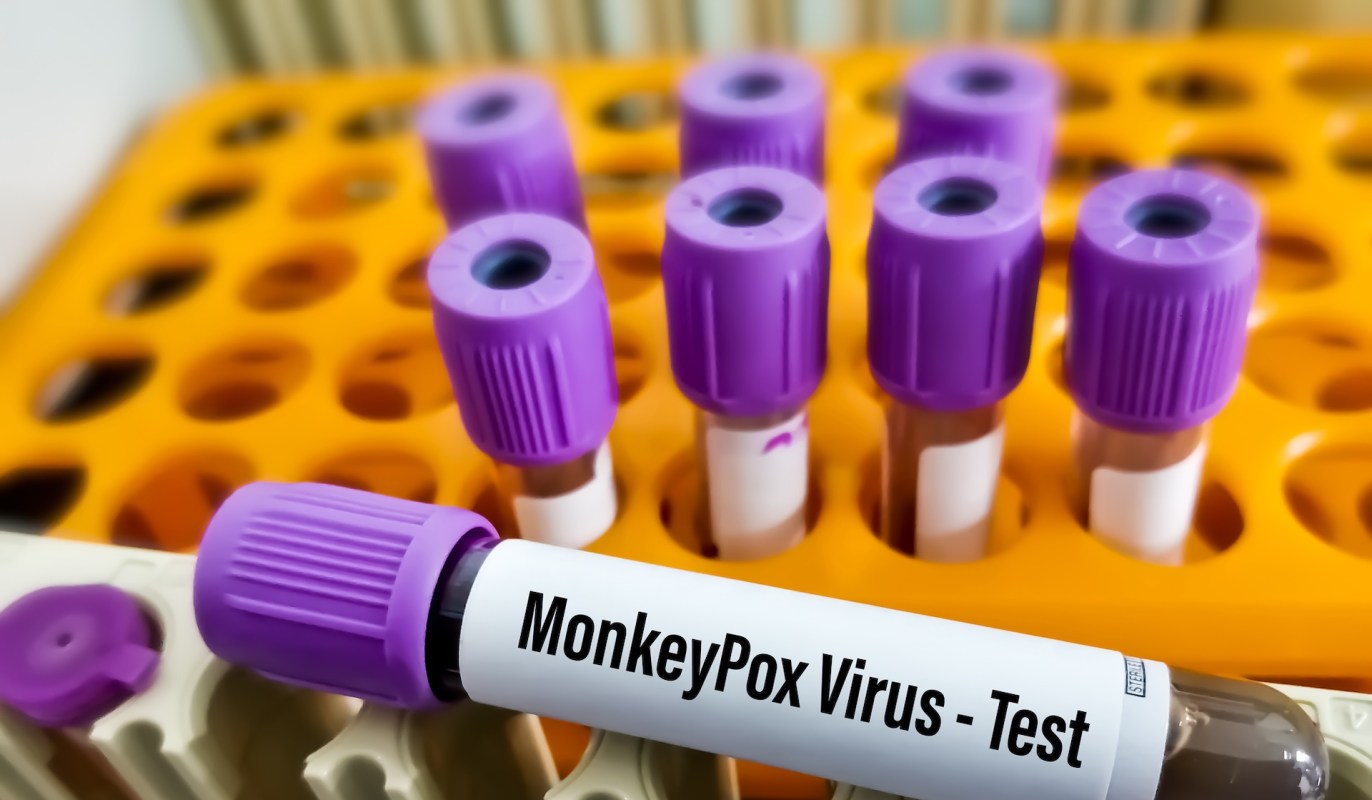
The Centers for Disease Control and Prevention is temporarily pausing testing for rabies and pox viruses.
What's happening?
The CDC offers testing for several pathogens to assist state and local public health laboratories that are not equipped to conduct them.
The New York Times reported that widespread layoffs, hiring freezes, and resignations have reduced the number of qualified scientists who can assist state labs with testing for rabies and pox viruses, including smallpox and mpox.
By July, the team with clinical expertise to advise state and local officials about rabies will be down to just one person, and the pox virus team will have no remaining members.
Two state public health labs, in New York and California, have the capability to provide rabies testing, and many labs are able to conduct preliminary tests for pox viruses. But the CDC typically confirms such infections, and only the agency can track diseases nationwide.
Why is the CDC's testing important?
Currently, fewer than five rabies cases are reported annually in the U.S. Since this virus is often fatal without prompt treatment, maintaining robust testing is vital to preventing outbreaks.
TCD Picks » Quince Spotlight
💡These best-sellers from Quince deliver affordable, sustainable luxury for all




The U.S. first had a major outbreak of mpox in 2022, but hundreds of cases were reported last year, per the Times, with over a dozen cases of a more severe type of mpox reported in the country.
Dr. Leonard Peruski, director of New York state's Wadsworth Center, emphasized that it's not just about reduced lab testing. "It's about the actionable data," he said, per the Times.
He and other experts are concerned that a lack of consistent testing from the CDC may hinder rapid identification of and response to emerging health threats. Peruski said: "If we have something bad in another state that happens, will the rest of the country find out about it in a timely fashion to make a difference?"
As rainfall increases offer larger breeding grounds for mosquitoes and warmer average temperatures allow ticks to emerge earlier and feed longer, vector-borne diseases such as chikungunya and Lyme disease are continuing to threaten global health. Testing and vaccine responses have dramatically lowered the numbers affected by these various diseases.
|
Which of these savings plans for rooftop solar panels would be most appealing for you?
Click your choice to see results and earn rewards to spend on home upgrades. |
 Save $1,000 this year 💸
 What's being done about laboratory testing for rabies and pox viruses?
Though the CDC has paused certain tests, a spokesperson for the Department of Health and Human Services, Andrew Nixon, indicated that some virus labs will be reinstated in CDC facilities in the coming weeks, per the Times.
Prevention of rabies, pox viruses, and other vector-borne diseases is critical.
Respecting wildlife not only protects animals; it can also protect your health. In the U.S., adults, children, and pets should avoid contact with common rabid animals such as raccoons, skunks, bats, and foxes. The CDC advises people who are exposed to rabies to seek medical care immediately.
For pox viruses, people should also avoid contact with wildlife where these viruses are known to circulate in animals. Avoiding direct or skin-to-skin contact with people who have pox rashes is also crucial.
As for mosquito and tick bite prevention, experts recommend wearing long sleeves and pants to cover any exposed skin when spending time in wooded areas. They also recommend using safe repellents, regularly checking skin for ticks, and removing any visible ticks with tweezers.

Get TCD's free newsletters for easy tips to save more, waste less, and make smarter choices — and earn up to $5,000 toward clean upgrades in TCD's exclusive Rewards Club.






