


A deep-sea expedition off the coast of Australia has uncovered a hidden world teeming with life, including more than 100 newly discovered species.
As The Guardian reported, marine scientists made the discoveries in the Coral Sea, within the vast protected area known as the Coral Sea Marine Park.
During a 35-day stint aboard CSIRO's Investigator research vessel, scientists explored depths ranging from about 650 feet to nearly 10,000 feet below the surface.
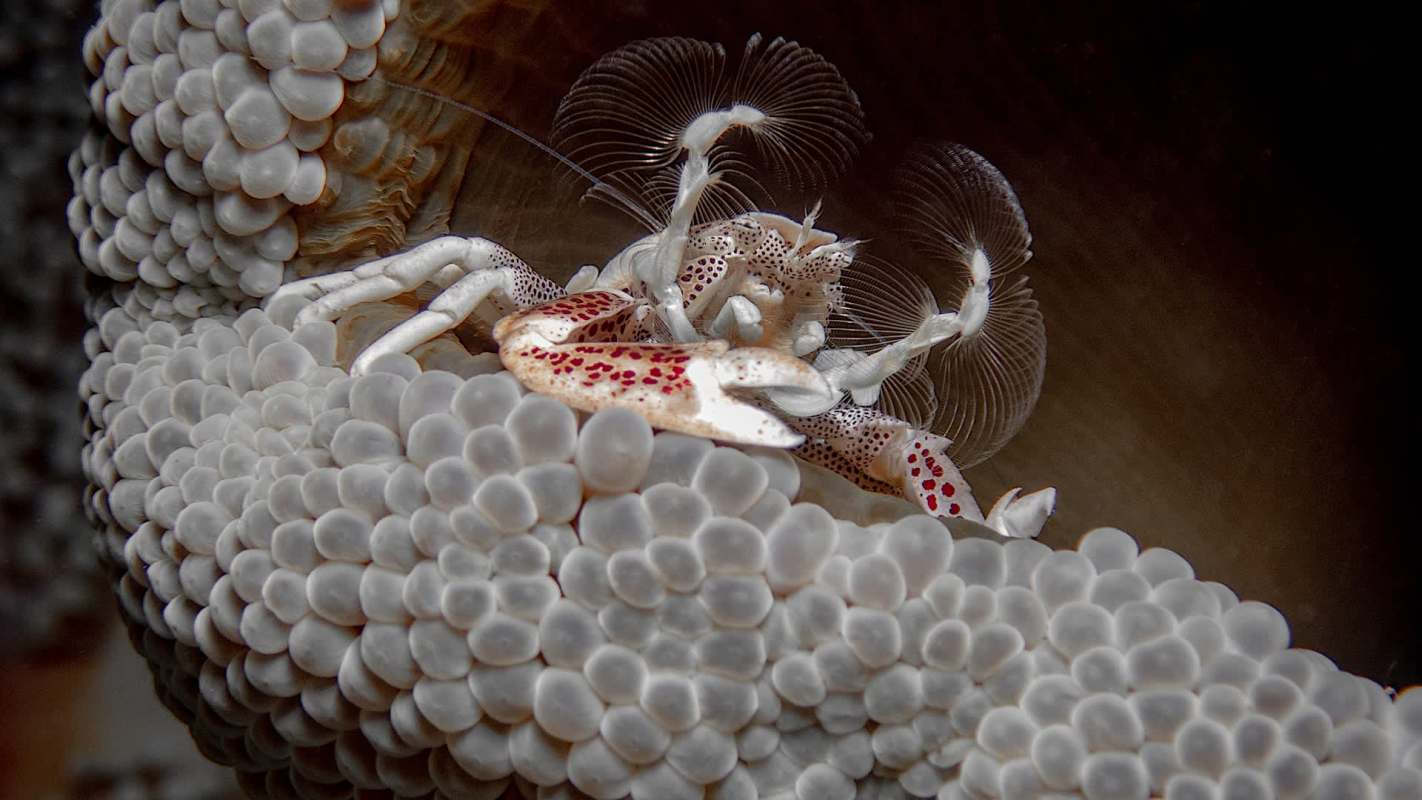
The team identified more than 110 new fish and invertebrates, including crabs, sea anemones, sponges, and several unusual deepwater sharks and rays.
Among the most striking finds were a newly identified ray, a deepwater catshark, a skate, and a chimera — all uniquely adapted to survive in near-total darkness.
The ray, discovered on the remote Kenn Plateau, resembled a stingray but with distinct adaptations.
TCD Picks » Quince Spotlight
💡These best-sellers from Quince deliver affordable, sustainable luxury for all




"They've got a relatively long tail, but then they've got a caudal fin at the end," explained Dr. Will White, chief scientist of the CSIRO voyage, per The Guardian.
The deepwater catshark stood out as a tropical species, an unexpected find that added to the expedition's surprises.
"They're very dark-bodied, they're almost flabby — truly deepwater things, very slow moving, [with] lots of little teeth," said White.
Researchers said the light gray skate had "quite a long snout and … a hard bit of cartilage in the middle of it," while the chimera — also called a ghost shark or rat fish — had a "rat-like tail, quite a plump nose, and a big spine above the dorsal fin."
These discoveries may only scratch the surface, with genetic testing still underway to confirm additional species.
The deep ocean remains one of the least understood ecosystems on Earth, yet it plays a critical role in supporting life. Healthy marine ecosystems support biodiversity that humans rely on for food and even medicine.
Each new discovery helps scientists better understand how these systems function and how to protect them at a time when oceans face growing pressure from rising global temperatures and seabed trawling.
"It's such an unexplored area, and with so many threats to our ocean, such as overfishing and climate change and deep sea mining, we need to understand what's out there before it's lost," said Dr. Claire Rowe, the marine invertebrates collection manager at the Australian Museum, per The Guardian.
Scientists say the Coral Sea has already warmed significantly in recent decades, with The Guardian observing that record-high sea surface temperatures were recorded in the past year.
|
Which of these savings plans for rooftop solar panels would be most appealing for you?
Click your choice to see results and earn rewards to spend on home upgrades. |
 Save $1,000 this year 💸
Get TCD's free newsletters for easy tips to save more, waste less, and make smarter choices — and earn up to $5,000 toward clean upgrades in TCD's exclusive Rewards Club.







