


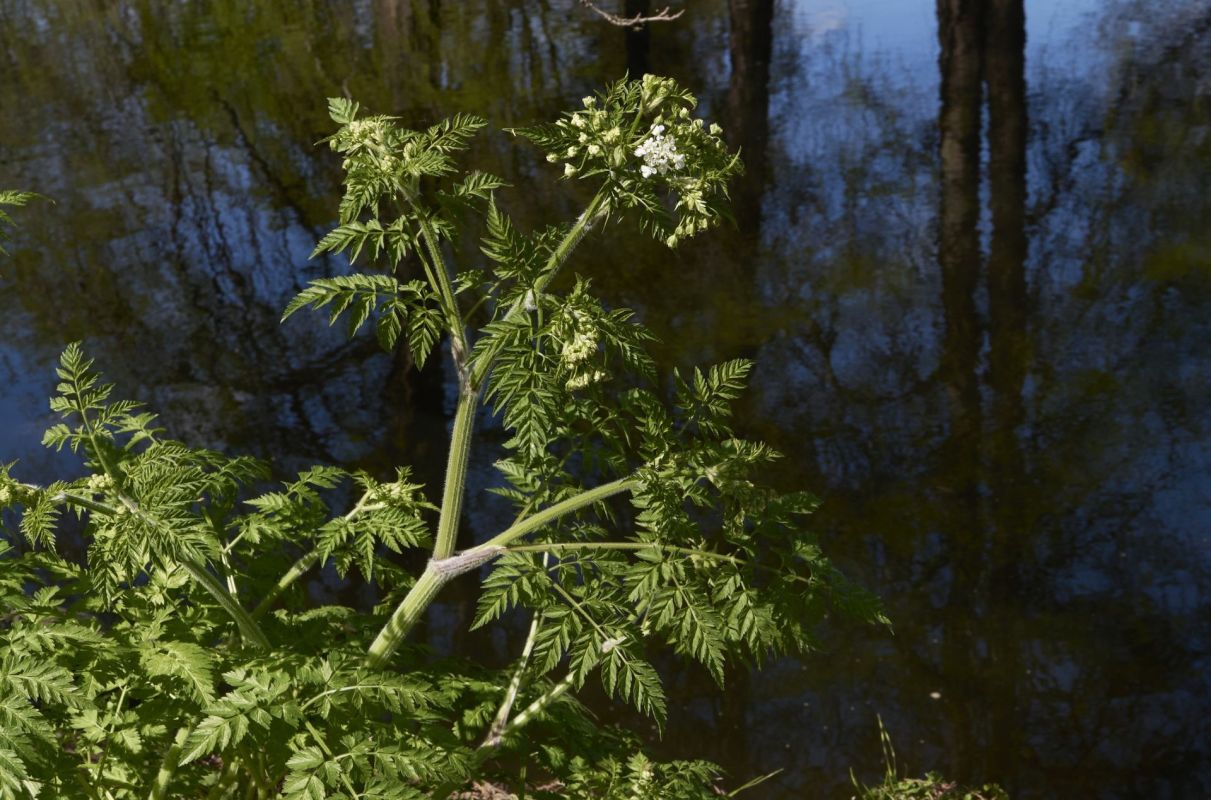
City councils in Meath and Dublin, Ireland, have issued warnings over hemlock water dropwort washing up on beaches along the coast. The plant is among the most toxic in Ireland and is often mistaken for edible plants.
What's happening?
According to The Journal, Meath City Council noted possible sightings of the plant on two local beaches in February. Shortly after, the Dublin City Council also reported sightings on a local beach.
This hemlock is uniquely different from poison hemlock, which is also toxic. Hemlock water dropwort thrives in wet areas, typically growing along river and stream banks.
The roots are the most poisonous and can wash ashore on beaches after storms — the areas with reported sightings experienced high water levels and winds ahead of the sightings.
Why is the plant's presence concerning?
The hemlock water dropwort is one of the most toxic plants in Ireland. Often referred to as "dead man's fingers," every part of the plant is poisonous to both humans and animals.
Skin contact with the plant can cause severe skin irritation, and touching the sap can cause blistering. Ingestion results in a rapid onset of vomiting, seizures, and respiratory issues, and it can lead to death, according to The Journal.
TCD Picks » Quince Spotlight
💡These best-sellers from Quince deliver affordable, sustainable luxury for all




This is particularly concerning because the plant's most toxic part — the roots — looks similar to those of an edible parsnip, varieties of which can be toxic if touched. People have also ingested the dropwort after mistaking it for celery and parsley.
Hemlock water dropwort is native to Ireland, but it still poses a significant environmental threat. It can contaminate waterways and waterlogged pastures, posing a risk to wildlife, livestock, and humans. Stopping it from spreading is vital to maintaining the health and safety of local ecosystems.
What can you do to protect yourself?
The Meath and Dublin City Councils urged people visiting beaches in the areas to keep a close eye out for the plant and keep pets on leashes to avoid anyone coming in contact with it.
"Don't touch anything that looks like a parsnip‑shaped root washed up on the beach," a spokesperson for the Meath City Council said, per The Journal. "Keep pets and little ones close. If you spot something unusual, let Meath County Council know."
The fact that several harmful outcomes involving the plant stemmed from people mistaking it for edible plants raises another important point: always be 100% certain you know what a wild plant is before ingesting it.
|
Which of these savings plans for rooftop solar panels would be most appealing for you?
Click your choice to see results and earn rewards to spend on home upgrades. |
 Save $1,000 this year 💸
Get TCD's free newsletters for easy tips to save more, waste less, and make smarter choices — and earn up to $5,000 toward clean upgrades in TCD's exclusive Rewards Club.







