


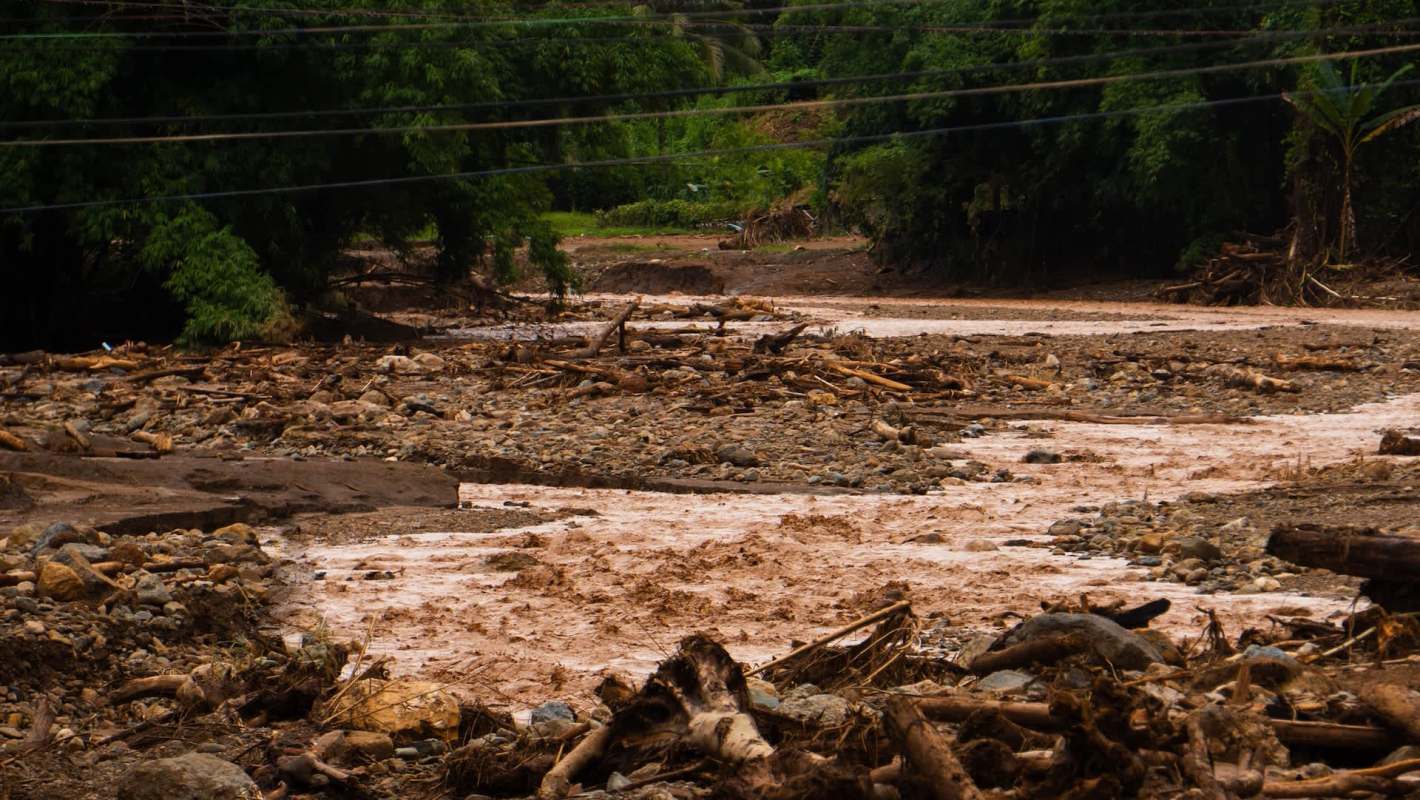
As the world gets hotter due to out-of-control air pollution, extreme weather events are growing more common and more intense. That has a measurable cost in human lives, as some scientists have observed.
For example, in the Gamo Zone of southern Ethiopia, flooding and landslides killed at least 102 people in early March.
What's happening?
According to the BBC, over 100 people died after heavy rains in Ethiopia, mostly in highland areas. The town of Arba Minch and the surrounding areas were heavily affected.
The initial official death toll was estimated at just over 30 individuals, but over the course of 24 hours, it rose steadily. At the time of the BBC's reporting on March 12, it stood at 102.
"On behalf of myself and the regional government, I express my deep sorrow over the loss of 30 lives due to landslides and floods in the highlands of Gamo Zone caused by heavy rains," Tilahun Kebede, the governor of the South Ethiopia Regional state, said in a statement on Facebook on March 10 before the death toll revision.
Highland residents were most at risk because the rains destabilized the slopes and caused them to collapse, according to officials reporting on the situation.
TCD Picks » Quince Spotlight
💡These best-sellers from Quince deliver affordable, sustainable luxury for all




The devastation is not limited to Ethiopia. Heavy rains across East Africa have triggered flooding throughout the region, and neighboring Kenya has also experienced a significant death toll.
Why is this flooding worrying?
Apart from the immediate tragedy of this incident, it is also part of a larger, worrying pattern. As the BBC reported, many studies have found an increase in extreme weather events in the last two decades.
When these disasters — including droughts, floods, and hurricanes — strike inhabited areas, they cause death, injury, and the destruction of property. Beyond the loss of life, the total costs rise to the billions and trillions of dollars.
Even in uninhabited regions, these incidents can harm the economy by damaging natural areas essential to food production and tourism.
What's being done about the flooding and landslides?
Ethiopian officials sent emergency response teams to address blocked roads and flooded bridges, assist the injured, and search for the missing.
In the long term, the only way to stall this pattern of increasingly volatile weather is to reduce the air pollution that traps heat in the atmosphere and exacerbates extreme conditions.
|
Which of these savings plans for rooftop solar panels would be most appealing for you?
Click your choice to see results and earn rewards to spend on home upgrades. |
 Save $1,000 this year 💸
Get TCD's free newsletters for easy tips to save more, waste less, and make smarter choices — and earn up to $5,000 toward clean upgrades in TCD's exclusive Rewards Club.







