


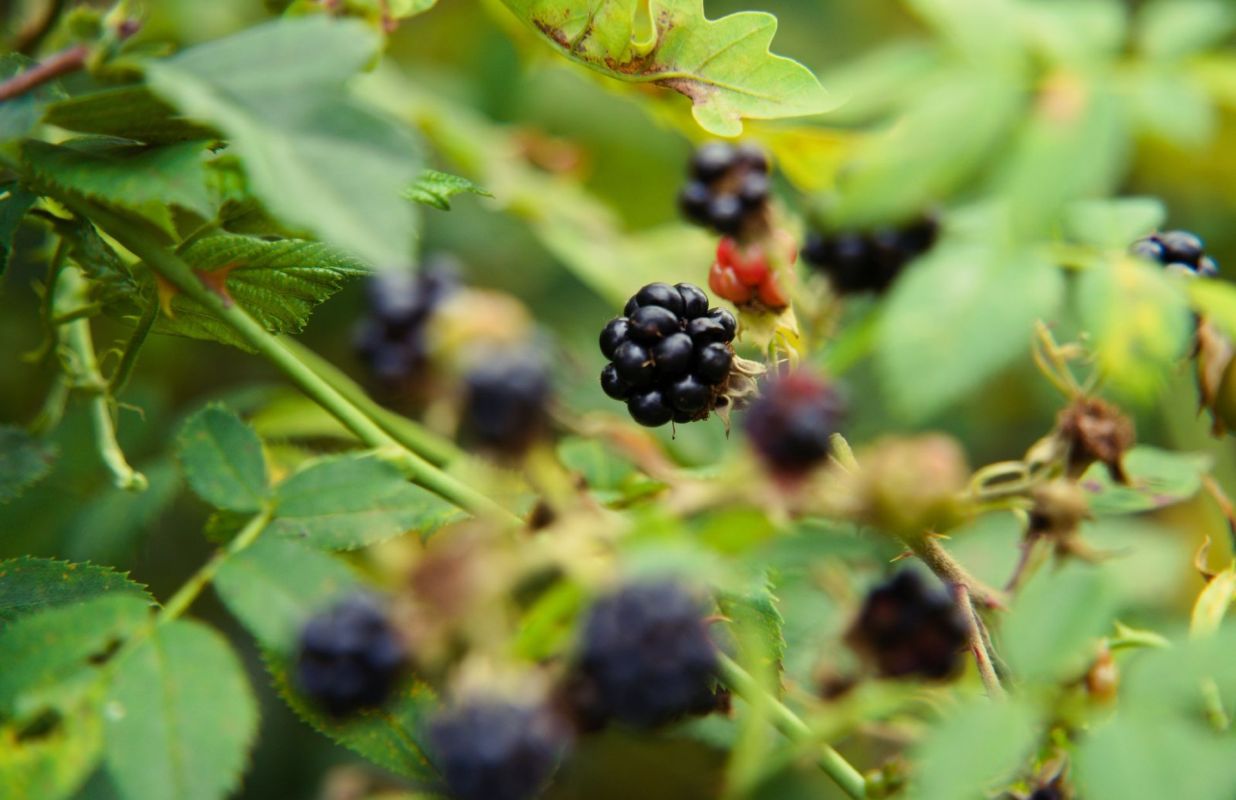
Noxious weed specialists are encouraging Pacific Northwest residents to take a bite out of a growing problem by foraging and eating wild blackberries.
According to Axios, the non-native Himalayan blackberries are so pervasive that the typical foraging limit of 30% doesn't apply.
"We will never run out of blackberries in the Pacific Northwest," Skye Pelliccia, education specialist with the King County Noxious Weed Control Program, told the publication.
With spring taking hold, the plants will begin blooming over the coming months, with berries expected from late June through August. No matter how many of the berries participants pick, there will always be enough for the birds and animals that also feed on them.
Pelliccia further explained that, aside from reducing the number of seeds in the area, it raises awareness about harmful non-native species in general and how to work toward eradicating, or at least containing, them.
Non-native species outcompete native species for resources and spread rapidly, which can harm biodiversity and even permanently change entire ecosystems.
TCD Picks » Quince Spotlight
💡These best-sellers from Quince deliver affordable, sustainable luxury for all




Non-native species often have an outsized economic impact, too. According to the U.S. Department of Agriculture, a 2021 study estimated that displaced species have cost North America over $26 billion annually since 2010.
In Washington state alone, if just 23 of the 200 known non-native plants and animals were to spread uncontrolled, the select species could have a total annual impact of $1.3 billion, as Axios shared.
Turning displaced species into dinner, desserts, or other delicacies is a growing trend. People in various places are eating everything from berries and weeds to blue crabs and feral hogs in an effort to take local action and protect ecosystems.
When foraging, be sure to educate yourself properly and follow all rules and guidelines for the area, especially on public lands.
If eating the problem isn't for you, you can also support biodiversity by rewilding your yard and opting for natural, native lawns and landscaping.
|
Which of these savings plans for rooftop solar panels would be most appealing for you?
Click your choice to see results and earn rewards to spend on home upgrades. |
 Save $1,000 this year 💸
Get TCD's free newsletters for easy tips to save more, waste less, and make smarter choices — and earn up to $5,000 toward clean upgrades in TCD's exclusive Rewards Club.







