


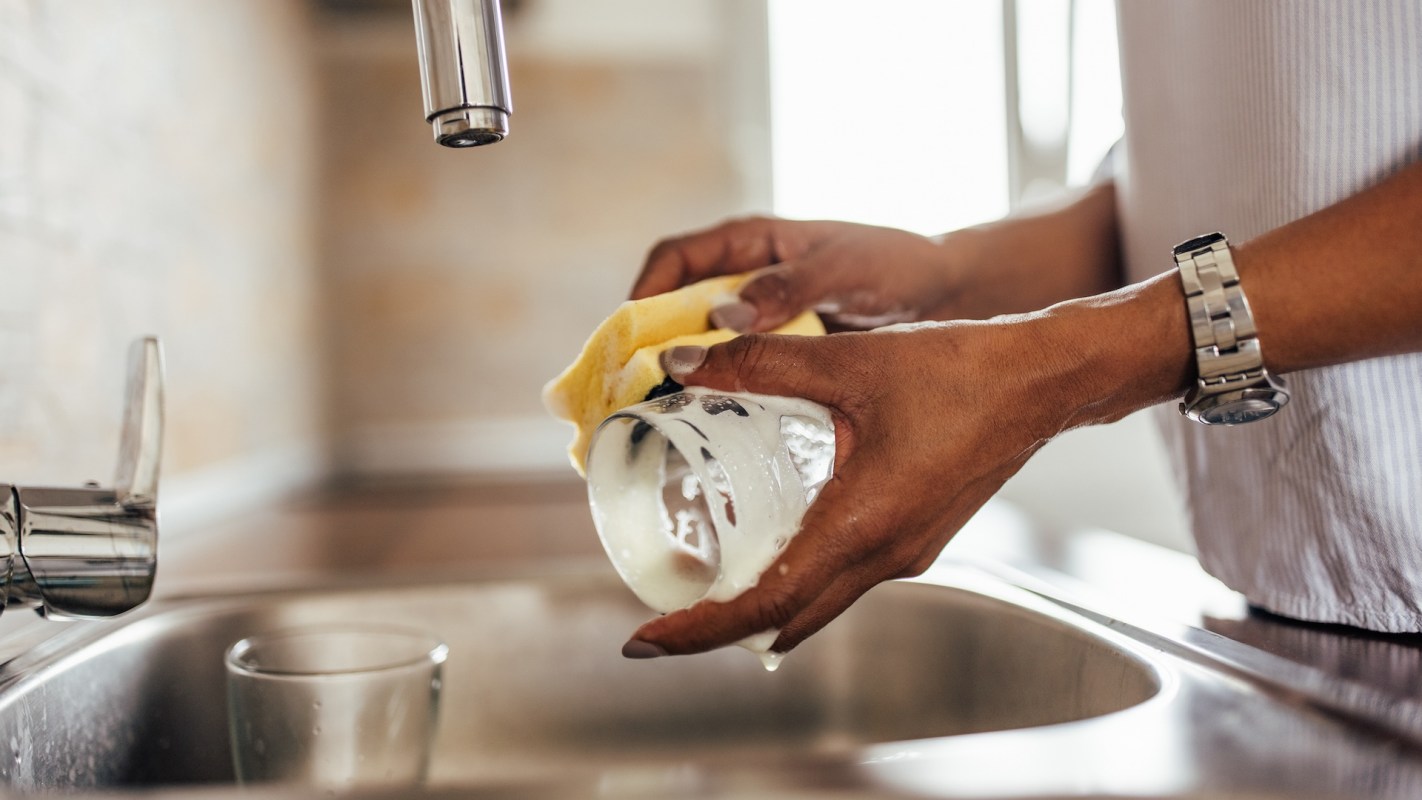
Your kitchen sponge may seem harmless, but new research suggests it could be quietly releasing tiny plastic particles into your home and beyond.
What's happening?
A recent study published in Environmental Advances found that everyday dishwashing with standard sponges can release microplastics as they scrub and wear down over time.
On average, this adds up to between 0.68 and 4.21 grams of microplastics per person annually, depending on the type of sponge used.
To better reflect real-world conditions, researchers combined lab testing with citizen science. Households in Germany and North America used sponges in their normal routines while tracking how they degraded over time.
While wastewater systems capture some of these particles, the study estimates that several tons still make their way into soil and waterways each year.
Why is this concerning?
Microplastics are tiny plastic fragments now found almost everywhere — from oceans to drinking water and even inside the human body.
TCD Picks » Quince Spotlight
💡These best-sellers from Quince deliver affordable, sustainable luxury for all




Scientists are still studying their full impact. Early research links exposure to a range of health concerns, including increased risks for respiratory illnesses.
Once in the environment, these particles can affect wildlife, food systems, and water quality.
Still, the study offers important context: Microplastics from sponges represent just one facet of a much broader issue.
Researchers found that water consumption is one of the largest contributors to dishwashing's environmental footprint — making up as much as 97% of the total impact. In other words, how long the tap runs may matter more than the type of sponge used.
|
Which of these savings plans for rooftop solar panels would be most appealing for you?
Click your choice to see results and earn rewards to spend on home upgrades. |
 Save $1,000 this year 💸
 What's being done about it?
The findings highlight simple ways to reduce your impact without changing your routine entirely.
Using less water while washing dishes, such as turning off the tap between scrubbing, can make the biggest difference.
Choosing sponges made with less plastic or alternative materials can also help limit microplastic release.
And using your sponge for longer before replacing it reduces overall waste and resource use.

Get TCD's free newsletters for easy tips to save more, waste less, and make smarter choices — and earn up to $5,000 toward clean upgrades in TCD's exclusive Rewards Club.






