


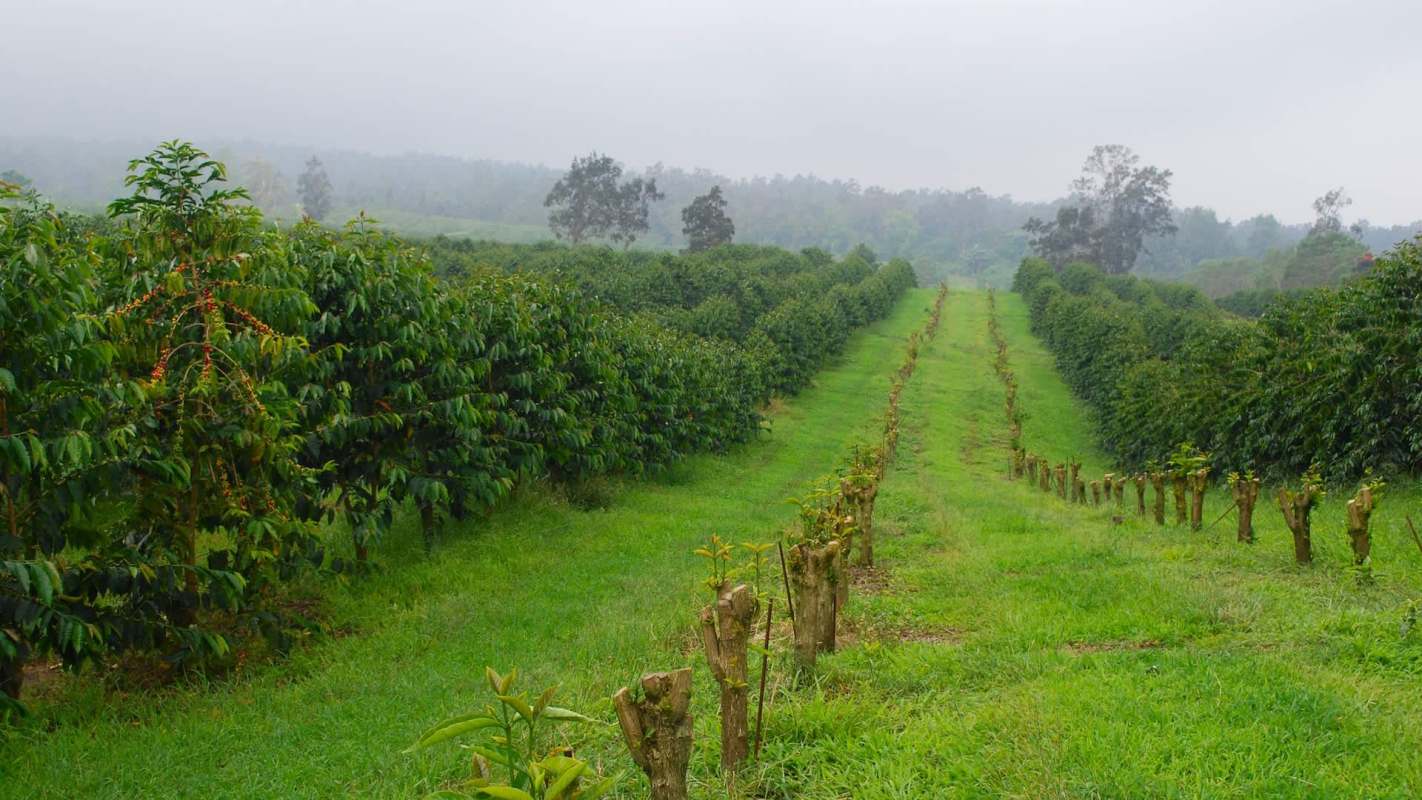
On March 14, a historic Kona storm tore through Hawaiʻi, bringing heavy rain, flooding, and strong winds — and leaving one of the island's oldest coffee farms shattered in its wake.
What's happening?
At Greenwell Farms, a 176-year-old coffee operation, owner Tom Greenwell said the damage is unlike anything the farm has experienced, Big Island Now reported.
"I think we're going to lose half our crop," he said.
Floodwaters carved deep trenches through the land, destroying decades-old coffee trees and wiping out roughly 24,000 young plants in the nursery.
"That's our future planting that is gone and trees that I grow and give to farmers to grow," Greenwell added.
The farm estimated about $10 million in total losses, including damages to crops, infrastructure, and even Greenwell's home, which is now unlivable.
TCD Picks » Quince Spotlight
💡These best-sellers from Quince deliver affordable, sustainable luxury for all




Across the state, early estimates point to more than $7 million in agricultural losses and over 1,000 acres of farmland impacted.
Why is this concerning?
Events like this are becoming more disruptive as rising global temperatures intensify storms and rainfall. With warmer air able to hold more moisture, communities face the growing threat of heavier downpours and flooding.
For farmers, that means greater risk with every season.
Crops can be wiped out overnight, and long-term investments, such as coffee trees that take years to mature, can disappear in a single storm.
|
Which of these savings plans for rooftop solar panels would be most appealing for you?
Click your choice to see results and earn rewards to spend on home upgrades. |
 Save $1,000 this year 💸
 But the devastation doesn't stop at the farm's edge. These disasters ripple through communities, affecting food security, tourism, and even prices at the grocery store.
When extreme weather damages homes and businesses, it can strain insurance systems and leave families without stable housing or income.
What's being done about it?
Local organizations, including the Hawaiʻi Agricultural Foundation and the Hawaiʻi Farm Bureau Federation, have mobilized relief efforts to help farmers and ranchers recover.
"Hawaiʻi's farmers are essential to our food security and our future," said Denise Yamaguchi, executive director of the Hawaiʻi Agricultural Foundation, per Big Island Now. "Through our partnership with the Hawaiʻi Farm Bureau Federation, we are committed to getting resources directly to impacted farmers."

Get TCD's free newsletters for easy tips to save more, waste less, and make smarter choices — and earn up to $5,000 toward clean upgrades in TCD's exclusive Rewards Club.







