


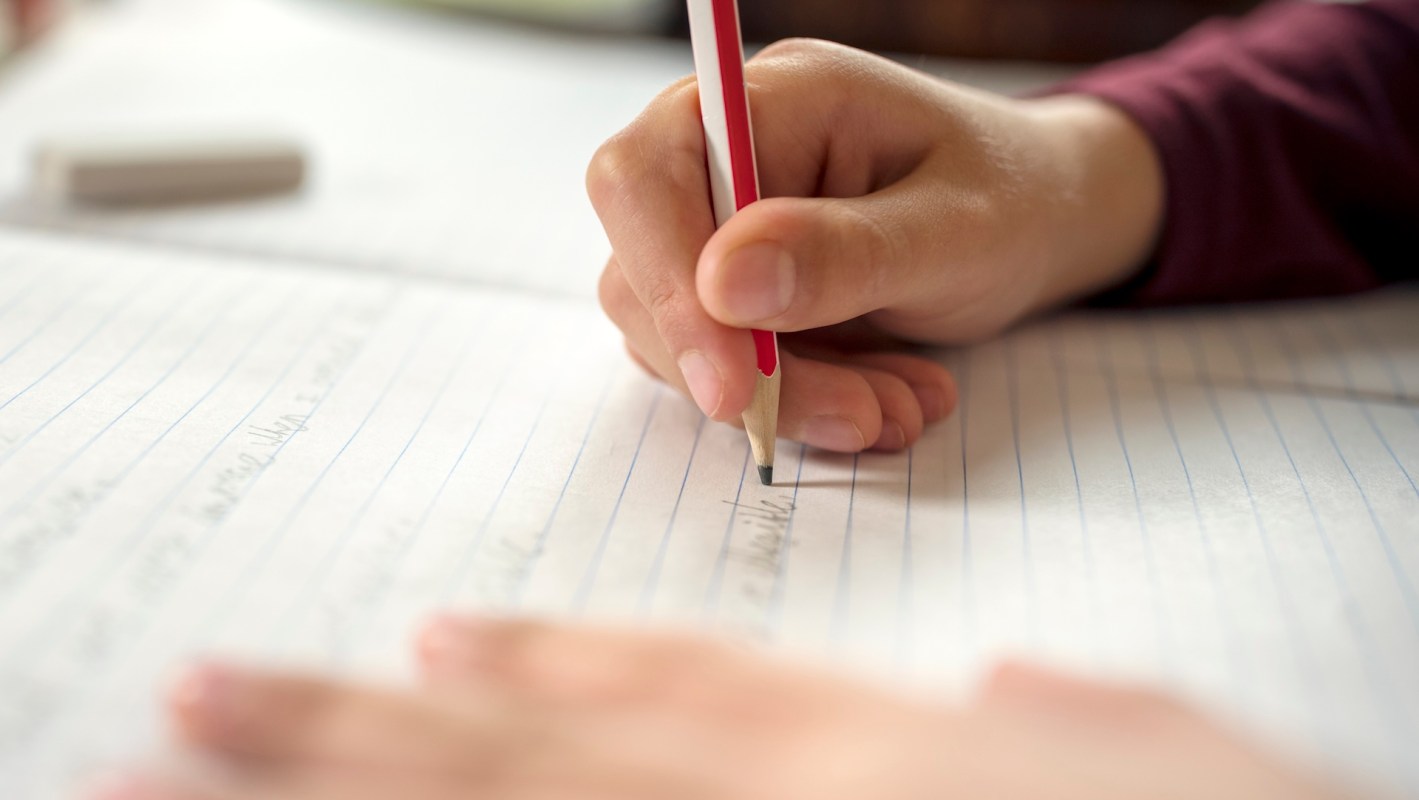
A widely cited study published in the journal Psychological Science is challenging the way many students take notes — and the findings may make you think twice before reaching for your laptop in class.
Researchers found that students who wrote notes by hand scored approximately 28% higher on conceptual questions than those who typed on laptops. The findings received renewed attention when a chart produced from the study's data went viral on X on March 17 with over 20,000 likes.
Students who took notes by hand scored ~28% higher on conceptual questions than laptop note-takers.
— Brandon Luu, MD (@BrandonLuuMD) March 17, 2026
Writing forces your brain to process and compress ideas instead of copying them. pic.twitter.com/TUw7vqTlC4
According to the study, the issue isn't distraction or multitasking. Even when laptops were used exclusively for note-taking, students still performed worse than their peers who wrote by hand.
The difference, researchers said, comes down to how the brain processes information.
When typing, students tend to transcribe lectures almost word-for-word. While that may seem efficient, it leads to what researchers describe as "shallower processing," meaning the information isn't fully understood or retained.
In contrast, writing by hand encourages a slower, more deliberate pace.
TCD Picks » Quince Spotlight
💡These best-sellers from Quince deliver affordable, sustainable luxury for all




Because it's impossible to capture everything, students are forced to summarize, rephrase, and decide what actually matters — a mental effort that strengthens both understanding and memory.
In other words, the limitations of handwriting may actually be its greatest advantage.
The findings carry real-world implications as more classrooms shift toward digital tools, including AI-assisted note-taking. Debate around the topic has intensified in recent years, and an article about elementary school iPad usage as early as kindergarten made the front page of The New York Times on March 11.
While typing may feel faster and more convenient, the research suggests it could come at the cost of deeper learning, especially when it comes to applying concepts rather than simply memorizing facts.
While the energy to produce and ship paper is enough that "going paperless" is generally a more sustainable option, overreliance on electronic devices at scale can lead to e-waste as those devices break down — or get soaked in juice — something the Natural Resources Defense Council called "the world's fastest-growing domestic waste stream" in 2020.
Reacting to the study, many people on social media said the results reflect their own experiences.
"The friction is the point," one user commented on X. "Slowing down to write it forces your brain to actually understand it first."
Another added, "Makes sense. Writing by hand forces you to think about what's important instead of just typing everything word for word."
A teacher echoed the sentiment: "As a teacher, I 100% agree with this study."
For students wanting to better understand and retain what they're learning, picking up a pen might be a surprisingly effective place to start.
|
Which of these savings plans for rooftop solar panels would be most appealing for you?
Click your choice to see results and earn rewards to spend on home upgrades. |
 Save $1,000 this year 💸
Get TCD's free newsletters for easy tips to save more, waste less, and make smarter choices — and earn up to $5,000 toward clean upgrades in TCD's exclusive Rewards Club.






