


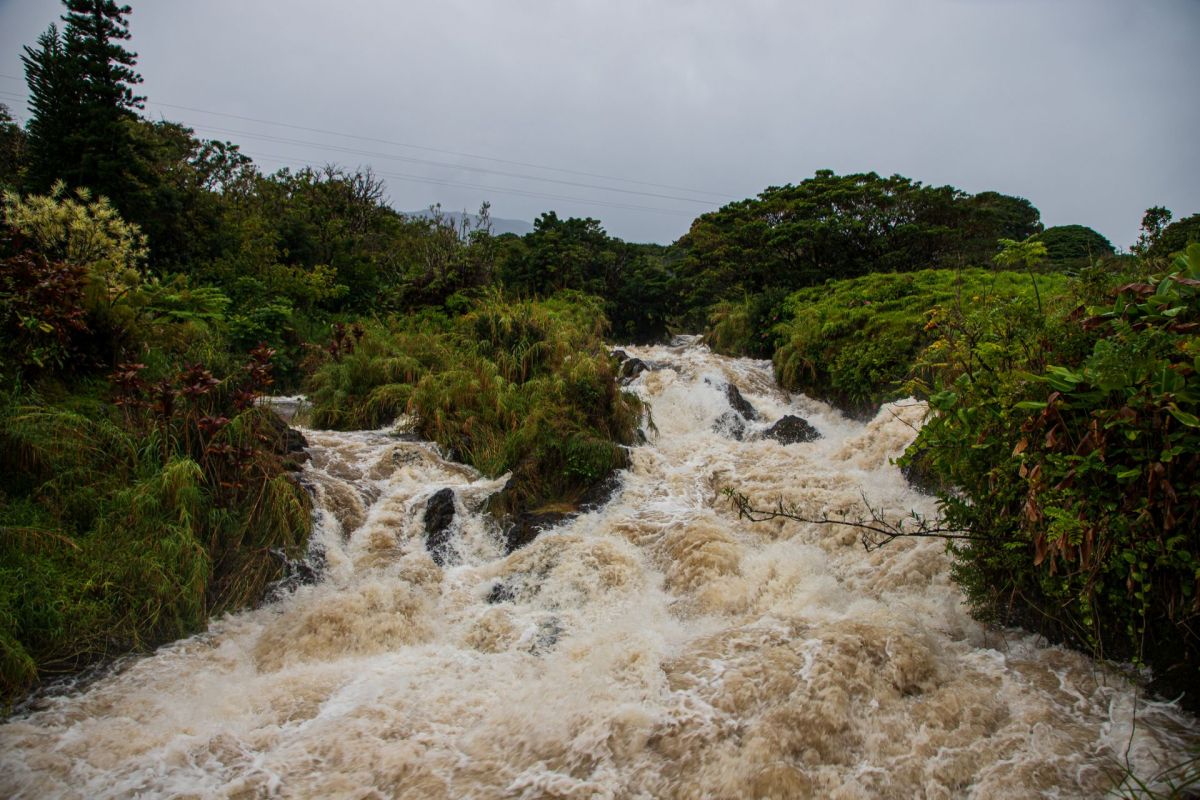
A couple in Maui, Hawaiʻi, watched as their home was destroyed by a powerful storm.
The Bashaws were among thousands affected by what officials described as a historic storm system.
Gov. Josh Green declared a state of emergency on March 9 ahead of the Kona low, which brought in heavy rain and wind that was over 100 mph, according to AccuWeather.
"Trees started falling upriver from us, and I'm like, 'Oh my gosh,'" Tom Bashaw told Hawaii News Now.
Kona storms tend to form in the winter months and impact parts of the island not usually exposed to winds or rainfall, per the National Oceanic and Atmospheric Administration. As Accuweather observed, they also cause "higher-than-normal water levels and coastal flooding."
"When we lost the mango and monkey pod, we started throwing stuff in bags and packing up," Tom told Hawaii News Now, referring to two of the nearby trees.
TCD Picks » Quince Spotlight
💡These best-sellers from Quince deliver affordable, sustainable luxury for all




"Half an hour, 45 minutes later, the river had come all the way up to the edge of the deck of the house, the back deck, which was about 60 feet straight down."
When the Bashaws returned after spending the night in a nearby barn, the couple saw that the "whole backside of the house was in the river," including their two bedrooms.
"No food, no clothes," Tom continued. "Only a few pieces of furniture, tools, and cat food."
Fortunately, nobody was hurt. But as the couple, who bought the property in 2018, inspected their house on Saturday, another section collapsed.
"It just went boom, right into the water," Tom said.
The couple lived in ʻĪao Valley in Central Maui. According to Beat of Hawaii, Maui saw 32 inches of rain within a 72-hour period during one part of the storm.
More than 100,000 residents were without power during the storm's peak, and residents were warned about landslides and infrastructure damage. Hawaii News Now noted that another Kona low with heavy rain was expected to hit sometime the following weekend.
Other Hawaiʻi residents told Civil Beat that they blame an increase in expensive housing developments, invasive species, and rising global temperatures for the destructive storm.
Land changes from property development can shift natural topography, altering river flow, causing erosion, and preventing land from absorbing water effectively.
Meanwhile, invasive plant species can crowd out resources for native plant species that tend to better absorb excess water and maintain soil quality.
According to the State of Hawai'i Climate Portal, Hawaiʻi has experienced its warmest years on record since 2015. Warm air holds moisture more effectively, which can lead to heavy rainfall. Severe wildfires have also destroyed land, contributing to the loss of 1.5 million acres of native forests that help regulate water.
This emphasizes the importance of reducing planet-warming pollution from human activity such as energy production, transportation, and agriculture.
The Bashaws had seen the river rising a few times every winter, but never seen anything so severe. According to their daughter's GoFundMe, their home was not in a designated flood zone, so they did not have flood insurance.
"We're pretty much homeless now," Tom told Hawaii News Now.
|
Which of these savings plans for rooftop solar panels would be most appealing for you?
Click your choice to see results and earn rewards to spend on home upgrades. |
 Save $1,000 this year 💸
Get TCD's free newsletters for easy tips to save more, waste less, and make smarter choices — and earn up to $5,000 toward clean upgrades in TCD's exclusive Rewards Club.







