


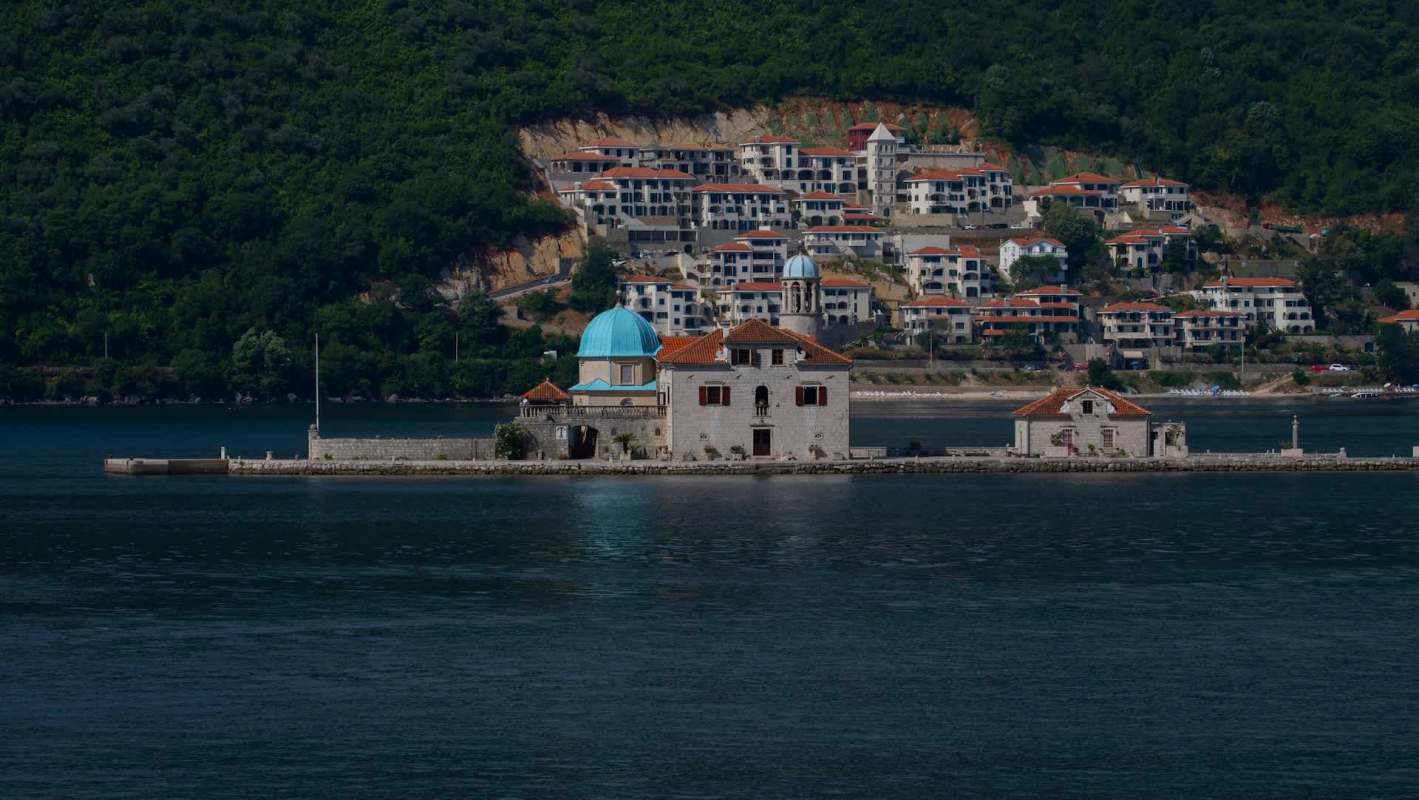
Tidal gauges along the Balkan Peninsula are reporting troubling measurements.
What's happening?
The Institute for Hydrometeorology and Seismology in Montenegro reported water level readings on the Bar and Kotor coasts early in 2026 that were the highest since instrumental records began there.
Bar registered 81 centimeters (31.8 inches) above sea level. Kotor marked 79 centimeters (31.1 inches). The readings "exceed previous historical maximums" by up to 8 and 9 centimeters, according to the news service Vijesti.
It "represents an extremely rare and statistically significant event," the story added, citing a statement from the Institute. "Within the entire two-decade range of oscillations, the recorded increase represents a sudden and extreme change in the limits of previously recorded values."
Why is high water concerning?
The National Oceanic and Atmospheric Administration reported that global sea levels have risen between 8 and 9 inches since 1880. The rate is accelerating, and high-tide flooding is between 300% and 900% more frequent than it was half a century ago, per the agency.
The repercussions extend beyond property damage. Salty seawater surging inland contaminates freshwater sources. As Earth.com observed, seawater inundation of farmland makes crop growth difficult.
TCD Picks » Quince Spotlight
💡These best-sellers from Quince deliver affordable, sustainable luxury for all




While every sea-related flood can't be attributed to Earth's overheating, experts from NASA and elsewhere have reported that warming temperatures driven by the continued reliance on burning oil, gas, and coal for energy increase the chances of severe weather.
Hotter oceans are melting ice and raising sea levels, NASA's report continued. More coastal swells, like those being recorded in Montenegro, are possible as a result.
"This is already occurring in some coastal cities," according to the experts.
Citing the Institute's statement, Vijesti reported that the "combined effect of reduced atmospheric pressure and the long-term effects of strong southern and southeastern winds" is contributing to conditions there. Surges also worsen during high astronomical tide periods.
TCD Picks » Quince Spotlight
💡These best-sellers from Quince deliver affordable, sustainable luxury for all
|
Which of these savings plans for rooftop solar panels would be most appealing for you?
Click your choice to see results and earn rewards to spend on home upgrades. |
 Save $1,000 this year 💸
 What's being done to help?
Monitoring changes aids tourism, port, and infrastructure planners who are preparing for different coastal conditions.
Meanwhile, experts are using satellites, artificial intelligence, and other technologies to better forecast troublesome weather, giving residents advance warning about when it's time to flee. For example, a product called FloodJack being developed in the United Kingdom lifts homes above rising water. It's one example of technology designed to save property.
Exploring factors that contribute to sea level rise, be it astronomical or heat-related, can help you decide where it's safest to live and even vacation.
The Institute's experts said that readings in Montenegro don't necessarily mean tidal surges there are permanent.
"Their frequency and intensity require careful monitoring and detailed analysis, especially in the context of climate change and long-term trends," the Institute's statement said, per Vijesti.

Get TCD's free newsletters for easy tips to save more, waste less, and make smarter choices — and earn up to $5,000 toward clean upgrades in TCD's exclusive Rewards Club.







