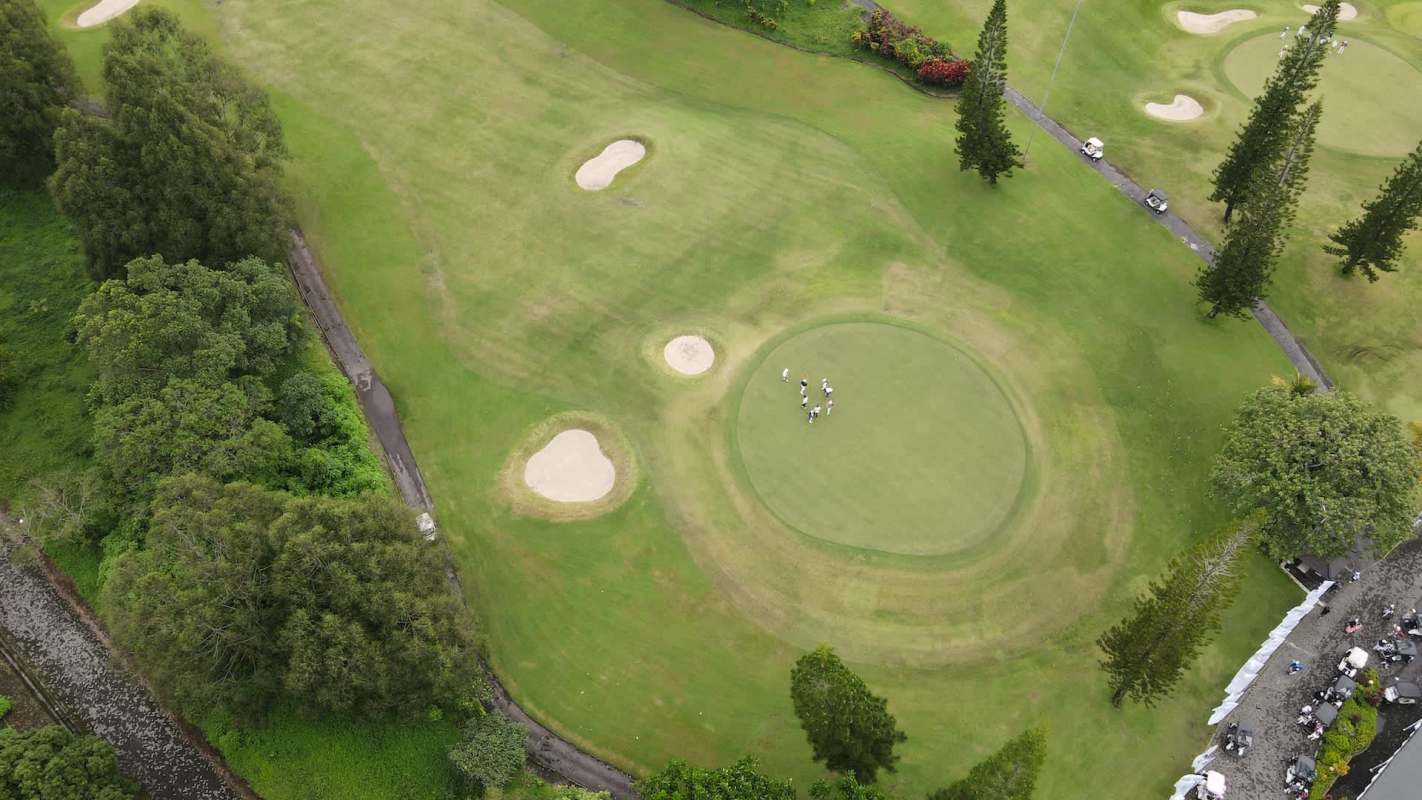
Coconut rhinoceros beetles are tearing through palm trees across Kauaʻi, and a golf course that has stood for nearly a century with 580-plus coconut trees showed the scope of the destruction, reported Honolulu Civil Beat.
What's happening?
The invasive beetles bore into palm crowns and feast on the tissue that produces new growth.
Fronds end up with telltale V-shaped notches, and badly hit trees lose their leaves entirely.
At Wailua Municipal Golf Course, crews sprayed crowns and injected trunks with pesticides, collecting 1,679 dead beetles over a 3-year span, but the insects keep spreading.
A single female produces as many as 140 eggs over her lifespan. The young spend 4 to 6 months maturing within decomposing wood and yard debris before becoming adults.
"The reality is if you don't go after the larvae and you don't go after your mulch cycle … there are just going to be hundreds and hundreds of them hatching all the time, and you can't go after all of them," said Kauaʻi County Council member Fern Holland.
TCD Picks » Quince Spotlight
💡These best-sellers from Quince deliver affordable, sustainable luxury for all




Why is this concerning?
In Hawaiian culture, the coconut tree, or niu, carries deep meaning, and the beetle now threatens niu and other palms across the island.
The National Tropical Botanical Garden on Kauaʻi's south shore protects more than 700 loulu palms, representing 26 of 27 known species.
With some species, the garden's trees outnumber their wild counterparts. Around 5% of the collection already shows beetle damage, and loulu are at greater risk; their crowns are smaller, making it easier for beetles to reach the crown center.
The annual cost of defending that collection sits between $350,000 and $400,000.
|
Which of these savings plans for rooftop solar panels would be most appealing for you?
Click your choice to see results and earn rewards to spend on home upgrades. |
 Save $1,000 this year 💸
 When an invasive pest like CRB gains a foothold, it threatens the native plants on which local ecosystems rely, destroying food webs.
For Kauaʻi communities, every dollar directed at beetle response is diverted from other priorities.
What's being done about it?
Kauaʻi County set aside $200,000 in 2025 to fight invasive species, including CRB.
Officials are targeting areas where beetles reproduce, using steam to treat piles of yard debris at the golf course and county waste facilities.
The Kaua'i Invasive Species Committee is hiring a dedicated CRB position to train residents, run surveys, and help people spot beetles on their properties.
A community group called E Ola Kākou Hawaiʻi is building a map of beetle activity across the island, with backing from a county innovation grant.
If you live on Kauaʻi, Conservation Dogs of Hawaiʻi offers no-cost property inspections, and the state Department of Health accepts applications to burn infested yard material.
Managing your own compost and wood piles is one of the most direct ways to slow the spread of beetles.

Get TCD's free newsletters for easy tips to save more, waste less, and make smarter choices — and earn up to $5,000 toward clean upgrades in TCD's exclusive Rewards Club.