


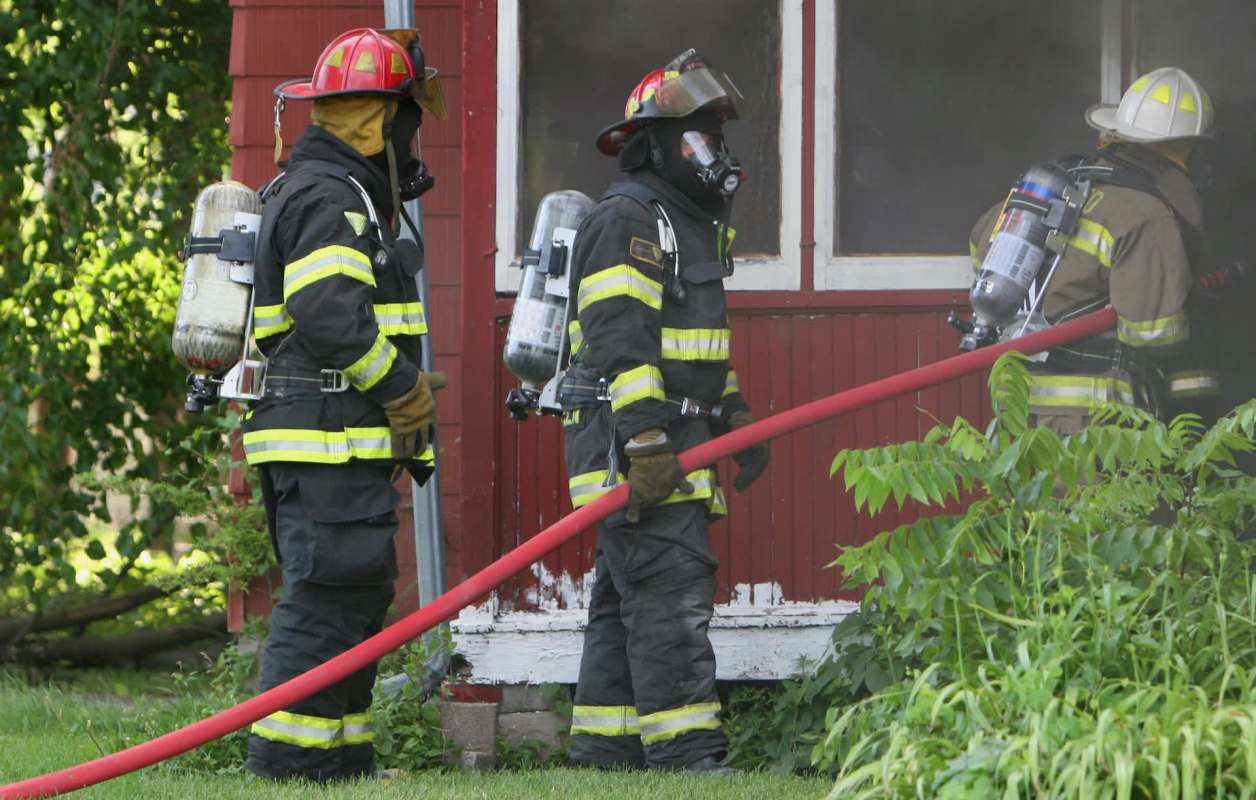
New Zealand's national firefighting organization warned of a startling rise in house-fire-related fatalities over the past year, according to Radio New Zealand.
An uptick in mortality associated with house fires was unsettling on its own, but Pete Gallagher, risk reduction and investigations manager for Fire and Emergency New Zealand, acknowledged that authorities found it "difficult to pinpoint" a single cause.
Gallagher identified the kitchen as a common thread in what RNZ described as a spike in "devastating blazes," adding that the trend was worrisome given how central kitchens and cooking were to daily life.
"We saw a decline in this a few years ago and now it's starting to rise back up again, and that's a real concern because pretty much everyone's involved in the cooking process at some time in their life," he began.
"And so it's really important that they understand that that's a high-risk activity and they need to be aware of the dangers it creates."
According to Fire and Emergency New Zealand, one in four house fires start in the kitchen.
TCD Picks » Quince Spotlight
💡These best-sellers from Quince deliver affordable, sustainable luxury for all




The organization provided kitchen fire safety tips, advising people not to cook while inebriated, to never leave the kitchen while cooking, and to turn the stove off if leaving the room was necessary.
"Unattended cooking is the leading cause of house fires in New Zealand," FENZ said.
Switching to an induction range can reduce that risk, according to MarthaStewart.com.
"Induction cooking is flameless, so it's safer than gas. With no open flame, there is no fire, so you're decreasing the likelihood of burning a potholder — or more dangerous conflagrations," the website stated.
|
Which of these savings plans for rooftop solar panels would be most appealing for you?
Click your choice to see results and earn rewards to spend on home upgrades. |
 Save $1,000 this year 💸
 A 2013 study in the journal Procedia Engineering said that induction ranges were safer because they lack a flame.
Stoves, designed to heat and char food, will always carry some fire risk.
But induction is also markedly safer for indoor air quality; a recent study showed that ditching gas "would wipe out any known health risks associated with nitrogen dioxide" for more than 20 million Americans.
In addition to a spike in kitchen-related house fires, FENZ reported an increase in fires caused by improperly disposed of e-waste, particularly conflagrations sparked by devices with lithium-ion batteries, such as disposable vapes.
"These devices contain a huge amount of energy. And when that's released, it can happen quite violently, causing a very rapid fire growth or rapid fire development," Gallagher said, per RNZ.

Get TCD's free newsletters for easy tips to save more, waste less, and make smarter choices — and earn up to $5,000 toward clean upgrades in TCD's exclusive Rewards Club.






