


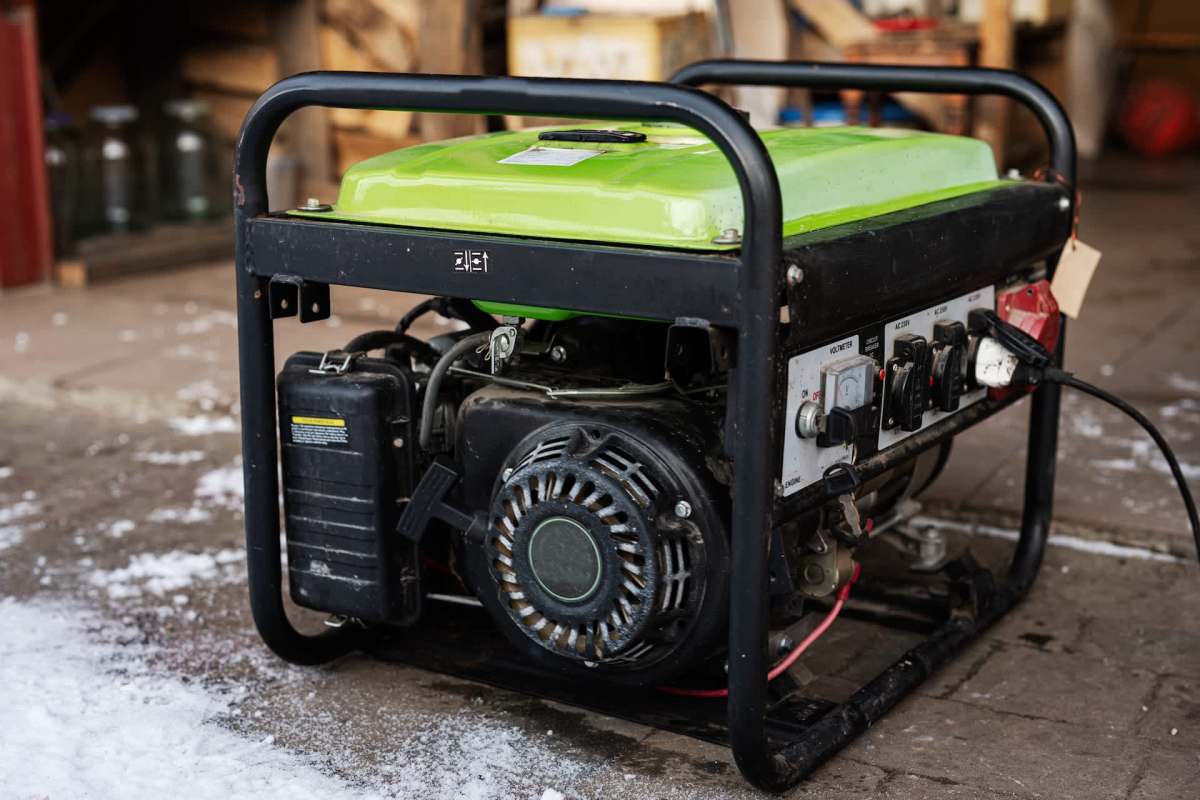
A Louisiana man died from carbon monoxide poisoning following a winter storm that wiped out power, the American Press reported.
What's happening?
The state Department of Health announced that the 86-year-old man died following a severe winter storm in January. No other details were provided, but carbon monoxide poisoning is one risk of backup generators, which are often used in homes during blackouts.
Why is carbon monoxide concerning?
The newspaper explained that portable generators produce carbon monoxide, a colorless and odorless gas that can lead to incapacitation or death when inhaled.
For instance, officials in South Carolina issued a warning after carbon monoxide related to indoor generator use killed a couple there.
According to the Centers for Disease Control and Prevention, more than 400 Americans die each year as a result of carbon monoxide poisoning not linked to fires.
What can I do to protect myself from carbon monoxide?
The LDH urged people not to use generators indoors because of the dangers they pose. It also advised residents to keep outdoor generators at least 20 feet from homes, doors, windows, and vents to prevent the gas from seeping in.
This is similar to recommendations from the Consumer Product Safety Commission, which found that carbon monoxide from outdoor generators crept into 105 Louisiana homes in the days following Hurricane Ida in 2021. That agency recommends a distance of 25 feet.
CPSC also advises people to have both a working smoke detector and carbon monoxide detector in their home.
Save $10,000 on solar panels without even sharing your phone number Want to go solar but not sure who to trust? EnergySage has your back with free and transparent quotes from fully vetted providers in your area. To get started, just answer a few questions about your home — no phone number required. Within a day or two, EnergySage will email you the best options for your needs, and their expert advisers can help you compare quotes and pick a winner. Solar panels can save you more than $50k over their 25-year lifespan, and EnergySage can help you save as much as $10k on installation. Which begs the question — isn't that worth an email or two? |

Going solar and pairing it with battery storage is another way to keep your home up and running during power outages without the dangers of generators. EnergySage can help get you information about home battery storage, including installation estimates, and has partnered with electrification company Qmerit to get you the best prices.
Pila also offers backup options, including plug-and-play batteries, which are a fraction of the cost of a whole-home backup system.
|
Which of these savings plans for rooftop solar panels would be most appealing for you?
Click your choice to see results and earn rewards to spend on home upgrades. |
 Save $1,000 this year 💸
Get TCD's free newsletters for easy tips to save more, waste less, and make smarter choices — and earn up to $5,000 toward clean upgrades in TCD's exclusive Rewards Club.






