


While Netflix might have lost out to rival Paramount in its bid to acquire Warner Bros. Discovery, it did not take the company long to make another purchase.
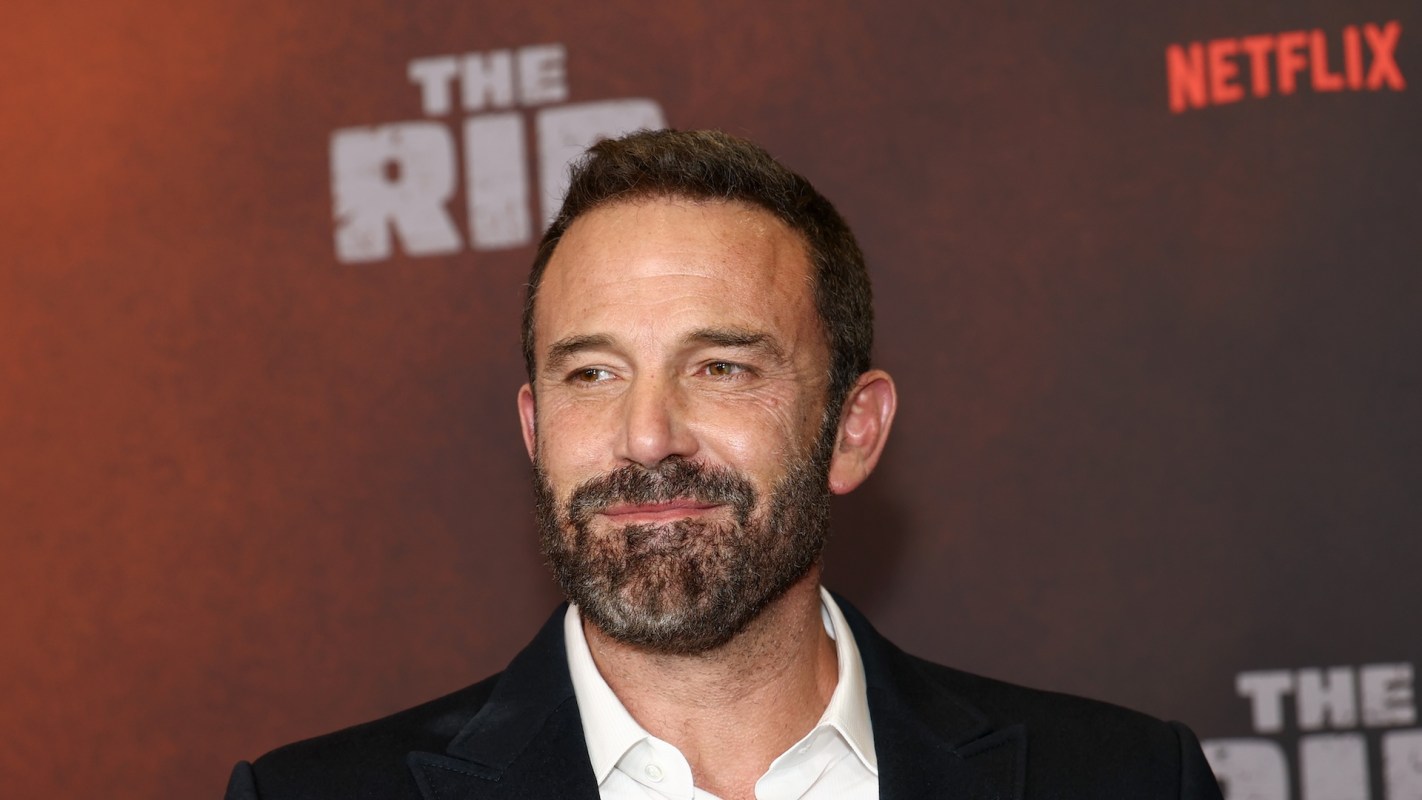
Netflix announced it bought InterPositive, a company founded by actor-director Ben Affleck, according to Fast Company. The startup has been developing artificial intelligence tools to be used by filmmakers.
While InterPositive does not have nearly the name recognition as Warner Bros., the acquisition could end up shaping the future of film and television production.
To date, many people working in creative fields have been skeptical of AI, fearing that the technology could threaten jobs.
While Affleck said he shared those concerns, he felt it was important for filmmakers to play a role in shaping the technology.
"I understand the skepticism because I share it," Affleck said, per Fast Company. "I was worried that this was a technology that was going to grow outside of the ecosystem of filmmakers and artists."
TCD Picks » Quince Spotlight
💡These best-sellers from Quince deliver affordable, sustainable luxury for all




Affleck explained that his goal was not to use generative AI as many people perceive it, which he described as "making something from nothing."
Rather, InterPositive's technology is based around traditional production methods, with film and television makers still required to shoot original footage. InterPositive's AI tools can aid artists during post-production.
"You can use your own model to remove the wires on stunts, reframe a shot, get a shot you missed, shape the lighting, enhance the background," Affleck said, according to Fast Company.
Entertainment is hardly the only industry to fear human job losses as a result of AI technology. Experts have warned that as AI models grow more capable, millions of people could be automated out of the workforce.
|
Which of these savings plans for rooftop solar panels would be most appealing for you?
Click your choice to see results and earn rewards to spend on home upgrades. |
 Save $1,000 this year 💸
 Affleck's approach, which seeks to give human workers enhanced abilities rather than replacing them entirely, could serve as a model for other industries.
Widespread job losses are not the only concern raised by the fast-growing adoption of AI technology. The resource-hungry data centers that power AI models consume large quantities of electricity and water, leading many to question how the technology can coexist with sustainability goals.
For example, as data centers have significantly increased the demand for electricity, everyday Americans' electricity bills have spiked.
Regardless of how one feels about the technology, AI appears to be here to stay. By embracing it and molding it to filmmakers' needs, Affleck has sought to take control of AI and its course.
Perhaps more industries would be well advised to follow this approach.

Get TCD's free newsletters for easy tips to save more, waste less, and make smarter choices — and earn up to $5,000 toward clean upgrades in TCD's exclusive Rewards Club.






