


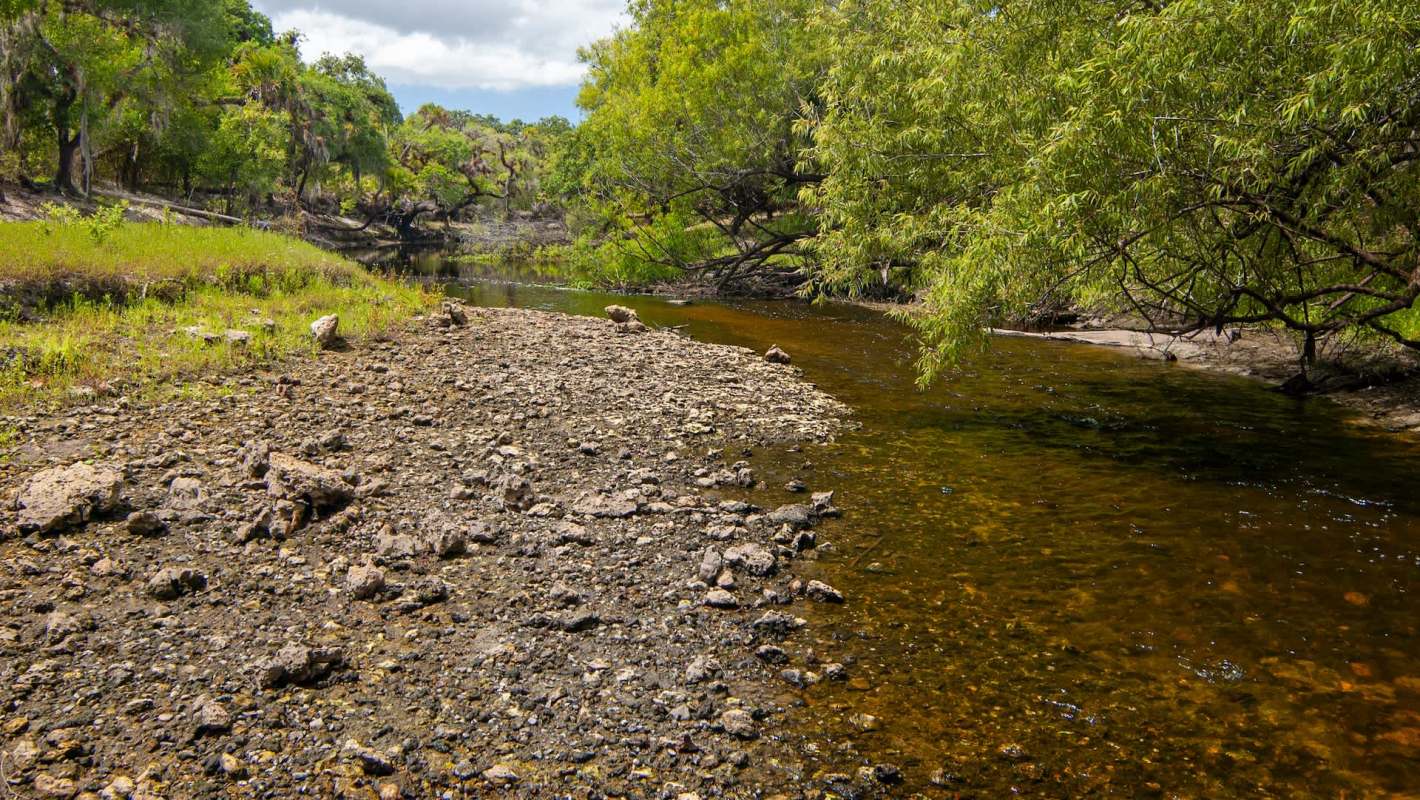
Officials have issued a "Modified Phase II Severe Water Shortage" for some of Northeast and Central Florida, according to WJXT.
What's happening?
The station reported that the St. Johns River Water Management District declared the shortage earlier this week. Areas of Florida are experiencing limited rainfall and low water levels.
Officials are asking people to voluntarily reduce their water use as much as possible. The order applies to parts of Alachua, Baker, Bradford, Clay, Duval, Flagler, Marion, Nassau, Putnam, and St. Johns counties.
Since daylight saving time begins this Sunday, March 8, the district is limiting landscape irrigation schedules to one day a week. This is opposed to increasing to the usual two days a week.
Why is this water shortage concerning?
More droughts are happening across the United States and around the globe as temperatures rise.
Using energy that pollutes, like coal and oil, creates air pollution that traps heat in Earth's atmosphere. This process creates extreme weather events like droughts, heat waves, and wildfires.
TCD Picks » Quince Spotlight
💡These best-sellers from Quince deliver affordable, sustainable luxury for all




The U.S. Drought Monitor's February report found that all parts of Florida were experiencing some form of drought last month. Drought covered all of North Carolina, South Carolina, and Georgia as well.
What's being done about the water shortage?
Beyond conserving water, there are other things that people can do in the long term to prevent more droughts.
One person suggested in a comment on the article, "Maybe they shouldn't have built all those new apartments and houses…"
While it isn't immediately clear what housing this person is referring to, there's currently a lot of proposed construction in Florida. Minimizing construction when possible, however, can reduce pollution and the use of resources.
|
Which of these savings plans for rooftop solar panels would be most appealing for you?
Click your choice to see results and earn rewards to spend on home upgrades. |
 Save $1,000 this year 💸
 But most people don't have much control over construction. Fortunately, there are two water-conserving actions that may be more within your reach and compatible with your lifestyle.
When it does rain, capture rainwater. According to the Miami-Dade County government, rain barrel water is good for watering potted plants and landscapes. Miami-Dade County residents can even earn a $50 rebate for a rain barrel, and your area might have a similar program.
Another action you can try is rewilding your outdoor space. Traditional turf grass often requires a lot of water, but buffalo grass, clover, and other ground covers are usually happy with less. Even rewilding part of your green space can make a big difference.

Get TCD's free newsletters for easy tips to save more, waste less, and make smarter choices — and earn up to $5,000 toward clean upgrades in TCD's exclusive Rewards Club.







