


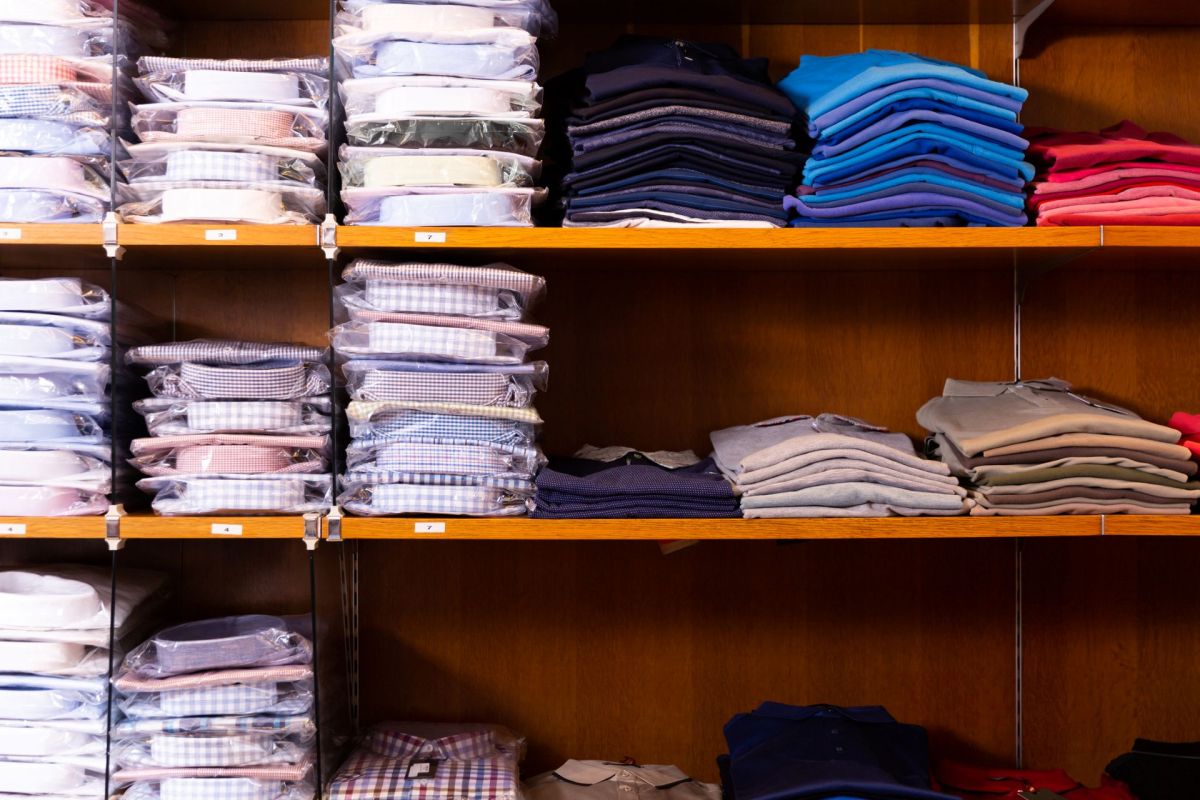
Excessive plastic packaging is nothing new, but it seems to be getting worse as more companies try to save money and cut corners.
One Reddit user shared their experience unwrapping a T-shirt from packaging that included much more material than necessary.
What happened?
In the r/Anticonsumption community, a customer shared a photo of the packaging, which seemed unwarranted for just one shirt.
"The amount of clips and inserts used to make one shirt a perfectly folded square in the packet," the original poster shared.

"Don't know why it couldn't just be put on a hanger," they added.
"Tbf this problem is solved by thrifting, thrifted shirts won't come in plastic but on hangers," one person suggested.
TCD Picks » Quince Spotlight
💡These best-sellers from Quince deliver affordable, sustainable luxury for all




"Shipping garments on a hanger is a lot more expensive than shipping them flat packed," another shared. "I'm not saying it's right, but that is the reason."
Why is plastic packaging concerning?
According to the Organisation for Economic Co-operation and Development, cited by Our World In Data, packaging is responsible for around 40% of the planet's plastic waste. Much of it ends up in landfills or elsewhere in the environment, where it releases harmful chemicals and planet-warming gases.
Because some plastics — especially smaller types or those with a complex makeup — are hard to recycle, it puts a huge strain on the environment, and endangers wildlife and ecosystems. Many plastics end up in the oceans, where animals may choke or become entangled in them.
Excessive plastic packaging is also bad news for consumers and businesses, since companies often pass along the costs and responsibility for proper disposal to shoppers. With many areas lacking proper recycling facilities and options, consumers must either throw away the packaging or go out of their way to find a recycling program.
|
Which of these savings plans for rooftop solar panels would be most appealing for you?
Click your choice to see results and earn rewards to spend on home upgrades. |
 Save $1,000 this year 💸
 Are companies doing anything about this?
Several companies have developed plastic alternatives that are more eco-friendly and easier to recycle. For example, one California-based startup is making scalable single-use plastics from seaweed, and another company is using sugar beet pulp to create plastic-free packaging.
Another company in Europe has launched a project to reduce plastic in food packaging by reusing it for meat distribution, catering trays, and pre-packaged foods.
What's being done about excess plastic more broadly?
Several scientists and researchers have created biodegradable plastics made from milk proteins and other planet-friendly synthetic materials.
Consumers can be part of the solution by switching to plastic-free alternatives for everyday items like water bottles and grocery bags — both of which save money in the long run.

Get TCD's free newsletters for easy tips to save more, waste less, and make smarter choices — and earn up to $5,000 toward clean upgrades in TCD's exclusive Rewards Club.






