


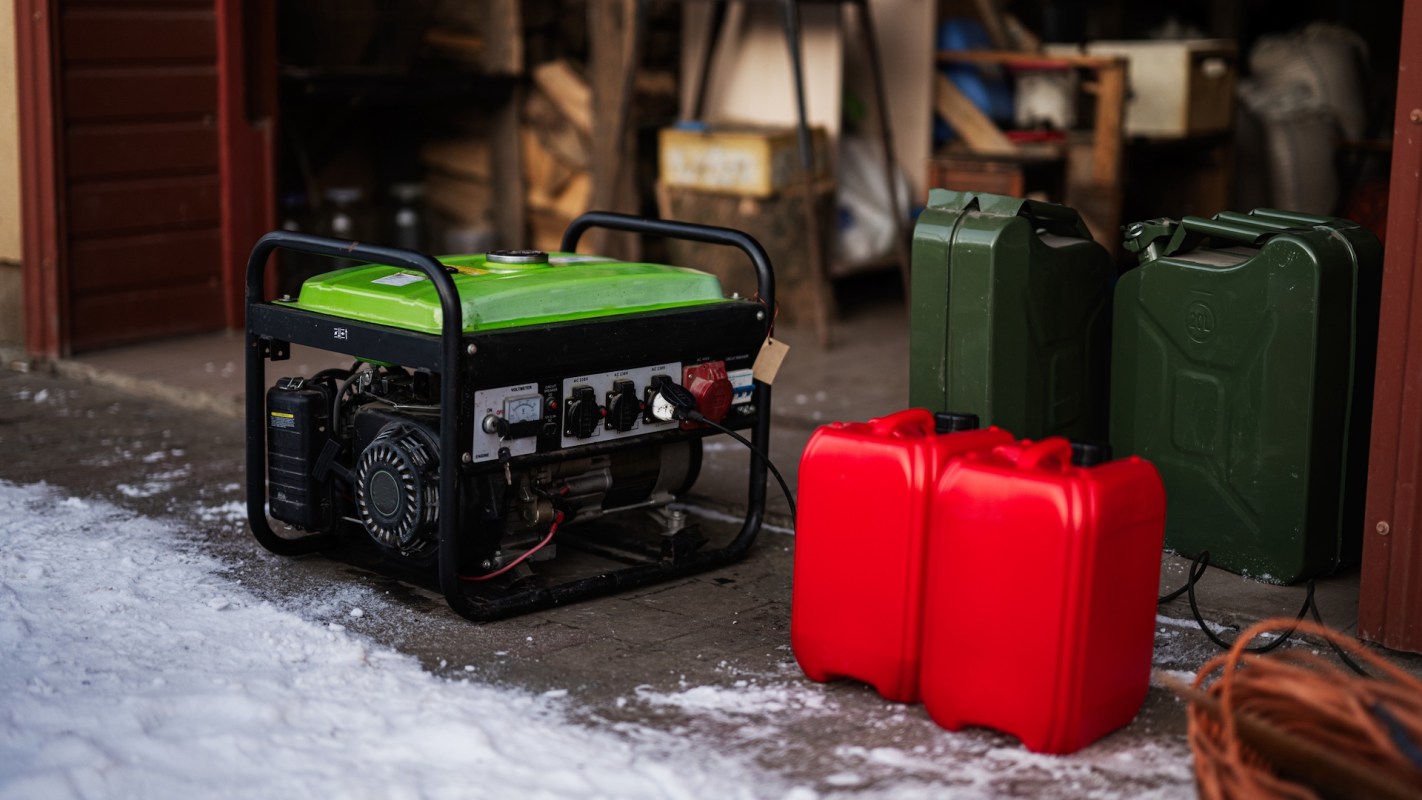
Two Tennessee residents were found dead from carbon monoxide poisoning following a winter storm in January that wiped out power.
What's happening?
WPLN News reported that the deaths were linked to generators that were used indoors. These devices typically run on gasoline or diesel and can release dangerous amounts of carbon monoxide into the home. There were also dozens of reports of non-fatal carbon monoxide poisonings across the state in the aftermath of the storm.
"We're still seeing occasional cases coming in," Tennessee Poison Center director Dr. Rebecca Bruccoleri told WPLN. "I checked last night for our poison center data, and we cover the entire state of Tennessee. We had 107 cases that occurred within the last week."
The news station also reported that 49 children had been treated for carbon monoxide poisoning at the Monroe Carell Jr. Children's Hospital in the week following the storm.
"Children are more sensitive to it because of their small body size, and the fact that they also breathe faster than adults do," Bruccoleri said.
Why is this news concerning?
Carbon monoxide is called the "silent killer" because it is odorless, flavorless, and invisible. It can rise to dangerous levels in the home with the use of gas-burning appliances such as generators and stoves. According to the Centers for Disease Control and Prevention, carbon monoxide poisoning kills over 400 Americans each year.
To avoid the dangers of accidental carbon monoxide exposure, many homeowners across America are increasingly opting for power backup systems that don't rely on gas and instead run on batteries.
One homebuilder in Texas reported that nearly 7 in 10 residents of new-build communities are installing backup batteries.
Save $10,000 on solar panels without even sharing your phone number Want to go solar but not sure who to trust? EnergySage has your back with free and transparent quotes from fully vetted providers in your area. To get started, just answer a few questions about your home — no phone number required. Within a day or two, EnergySage will email you the best options for your needs, and their expert advisers can help you compare quotes and pick a winner. Solar panels can save you more than $50k over their 25-year lifespan, and EnergySage can help you save as much as $10k on installation. Which begs the question — isn't that worth an email or two? |

What's being done about carbon monoxide poisoning?
Bruccoleri urged people to use a carbon monoxide detector in their home, noting that these devices are not the same as a traditional smoke alarm. It's also important to avoid the use of generators indoors. Generators can still be problematic when placed outside because carbon monoxide can seep in through windows and doors if placed too closely — the recommendation is to keep them 25 feet from homes.
Another way to protect yourself from carbon monoxide poisoning is to opt for a home battery storage system instead of relying on a generator. This will keep your home up and running during power outages and can also save you money — according to Stanford researchers, more than half of U.S. families could slash their electricity costs by an average of 15% by installing such a system.
|
Which of these savings plans for rooftop solar panels would be most appealing for you?
Click your choice to see results and earn rewards to spend on home upgrades. |
 Save $1,000 this year 💸
Get TCD's free newsletters for easy tips to save more, waste less, and make smarter choices — and earn up to $5,000 toward clean upgrades in TCD's exclusive Rewards Club.






