


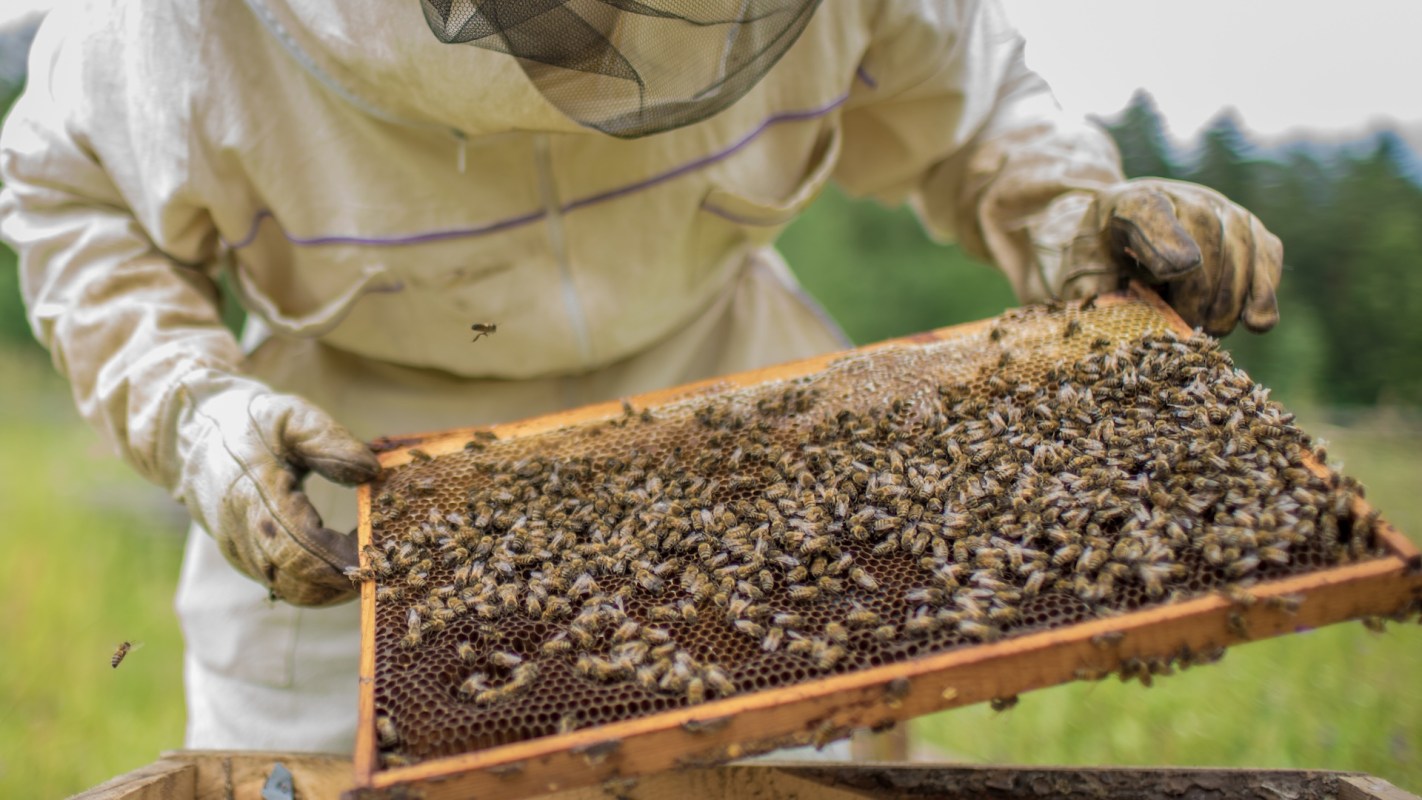
Beekeepers across the United States are grappling with devastating colony losses, raising alarms about the future of food production and agricultural businesses.
What's happening?
Researchers with the Washington State University Honey Bee and Pollinators Program recently reported troubling news, according to The Seattle Times. They found that up to 70% of commercial honey bee colonies died off in the past year.
While bee losses aren't new, the scale and frequency of colony losses are becoming increasingly unsustainable. For commercial operations that rent hives to pollinate crops, these high mortality rates translate into higher costs and fewer healthy bees available to farmers.
For beekeepers, the financial stress is building, too. Rebuilding colonies year after year is expensive, and margins are already thin. "For a lot of these operators, another year of big losses and they're out of business," said Brandon Hopkins, a professor of pollinator ecology who works with the WSU pollinators program, per The Seattle Times.
Why are bee die-offs concerning?
Even if you're scared of them, allergic, or simply don't like bees, we have them to thank for our food. Bees are crucial to food security, as more than 75% of the world's crops require pollination, and "the western honey bee is the most widespread managed pollinator globally," according to the United Nations Environment Programme.
If bee populations decline, crop yields and food supplies will decline as well. That means higher grocery store prices for everyone. Beyond the cost of groceries, unsustainable agricultural yields could drive small family farms out of business. For example, one survey found that nationwide bee losses caused around $635 million in damages in 2025.
TCD Picks » Quince Spotlight
💡These best-sellers from Quince deliver affordable, sustainable luxury for all




The ripple effects go beyond agriculture. Pollinators support biodiversity by enabling flowering plants to reproduce, which in turn stabilizes ecosystems.
What's being done to protect bees?
Scientists are doing what they can to protect bee colonies by fighting their main challenges, aka "the 4 Ps": pests, poor nutrition, pesticides, and pathogens. So far, they've developed ways to control parasites without harming bees, including a bee-safe fungal biocontrol and moving them indoors when temperatures drop to disrupt mite infestation.
Scientists have also tested new food sources for honey bees and are working to map out natural pollen sources. Researchers are working to understand the diseases affecting bees and are sharing research and resources to support bee conservation.
Individuals can help protect natural bee populations by gardening with native plants and flowers. One gardener created a beautiful trellis filled with Carolina climbing aster, and there are many pollinator-attracting plants to grow, such as bee balm, catmint, coneflower, goldenrod, milkweed, lavender, and more. Planting native species also reduces the need for chemical inputs, which harm bees and other pollinators.
By investing in bee conservation, we're investing in our own survival. Bees are a crucial part of food production and ecosystem health — without them, we are in big trouble.
|
Which of these savings plans for rooftop solar panels would be most appealing for you?
Click your choice to see results and earn rewards to spend on home upgrades. |
 Save $1,000 this year 💸
Get TCD's free newsletters for easy tips to save more, waste less, and make smarter choices — and earn up to $5,000 toward clean upgrades in TCD's exclusive Rewards Club.







