European Union officials weakened a new set of regulations meant to protect both human rights and the environment from the actions of businesses, Reuters reported.
What's happening?
The EU created the Corporate Sustainability Due Diligence Directive to limit both the human rights risks and pollution caused by businesses and their supply chains.
However, despite the positive impact this measure would undeniably have on vulnerable individuals, communities, and the world as a whole, critics decried it as "red tape" — an obstacle to competitive business.
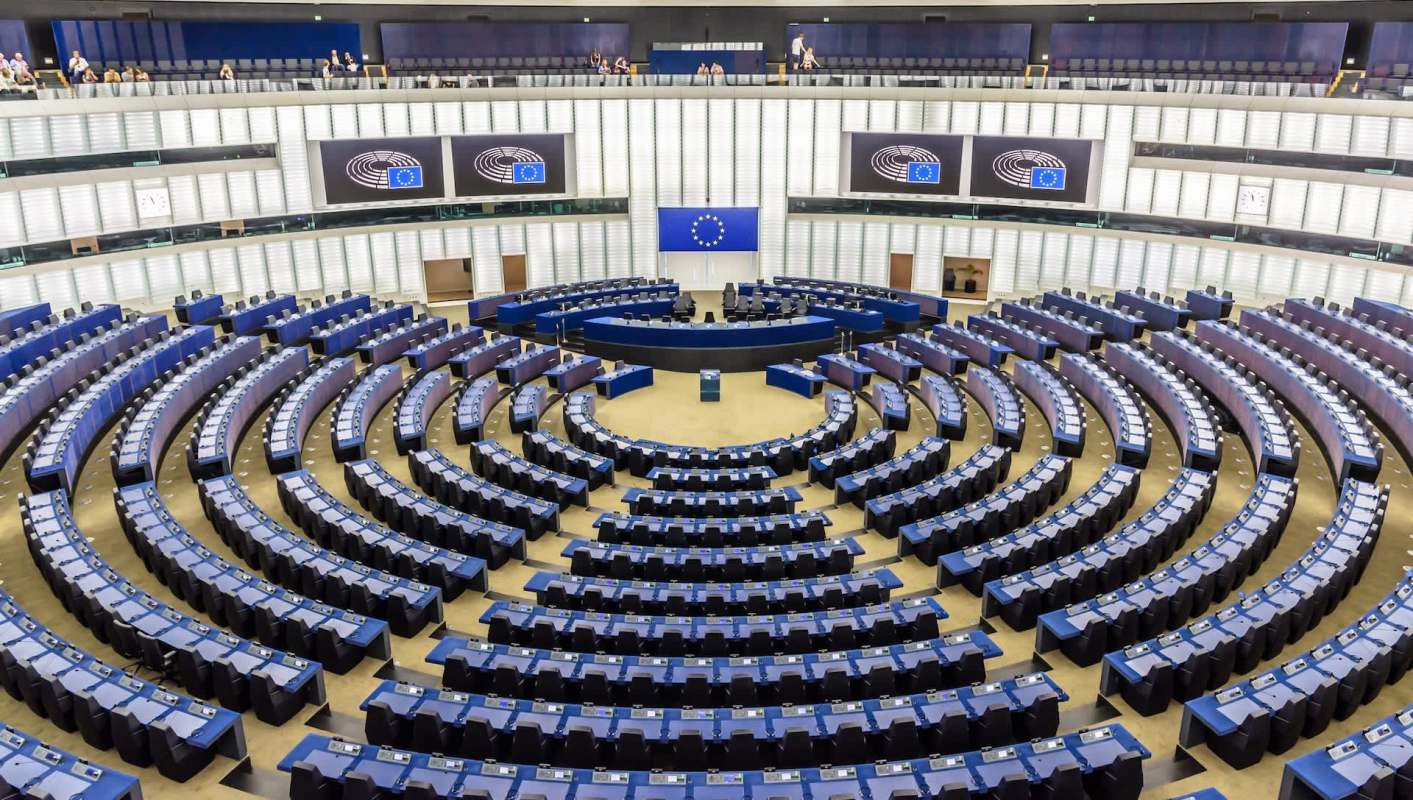
On Feb. 24, at a meeting in Brussels, EU ministers approved amendments to the directive that limited its scope to only the largest businesses.
"We are reducing unnecessary and disproportionate burdens on our businesses, with simpler, more targeted and more proportionate rules," said Marilena Raouna, deputy EU affairs minister for Cyprus and the chair of the meeting, per Reuters.
Now, only businesses with more than 5,000 employees and at least 1.5 billion euros ($1.8 billion) of annual turnover will be affected, and the deadline to comply is 2029.
TCD Picks » Quince Spotlight
💡These best-sellers from Quince deliver affordable, sustainable luxury for all




The change also affects reporting requirements designed to make company practices more transparent to consumers. These now apply only to companies that have more than 1,000 employees and 450 million euros ($526 million) in annual net turnover.
Why is this change important?
Around the world, governments have put measures in place to protect the environment and reduce the air pollution that is causing the planet to overheat. However, progress has not been consistent, and there have been many instances of backsliding.
The original protections in these measures were designed to reduce the amount of heat-trapping air pollution entering the atmosphere each year. The more pollution of this type that humans generate, the more the world overheats, causing increasingly frequent and severe destructive weather and damaging crops, which raises everything from insurance costs to grocery prices.
Preventing businesses from causing this type of pollution or allowing it in their supply chains would help slow the overheating of the planet and improve conditions for people worldwide. Weakening the protections and allowing more businesses to pollute will allow the overheating to continue to accelerate.
|
Which of these savings plans for rooftop solar panels would be most appealing for you?
Click your choice to see results and earn rewards to spend on home upgrades. |
 Save $1,000 this year 💸
 What's being done about the CSDDD changes?
These changes were made under pressure from the United States and Qatar, both of which warned about potential disruptions of their gas supplies to Europe due to the issue. With the endorsement of EU ministers, these changes will be signed into law.
However, everyday people can still push for environmentally friendly laws and vote for politicians who will advocate for them.

Get TCD's free newsletters for easy tips to save more, waste less, and make smarter choices — and earn up to $5,000 toward clean upgrades in TCD's exclusive Rewards Club.