


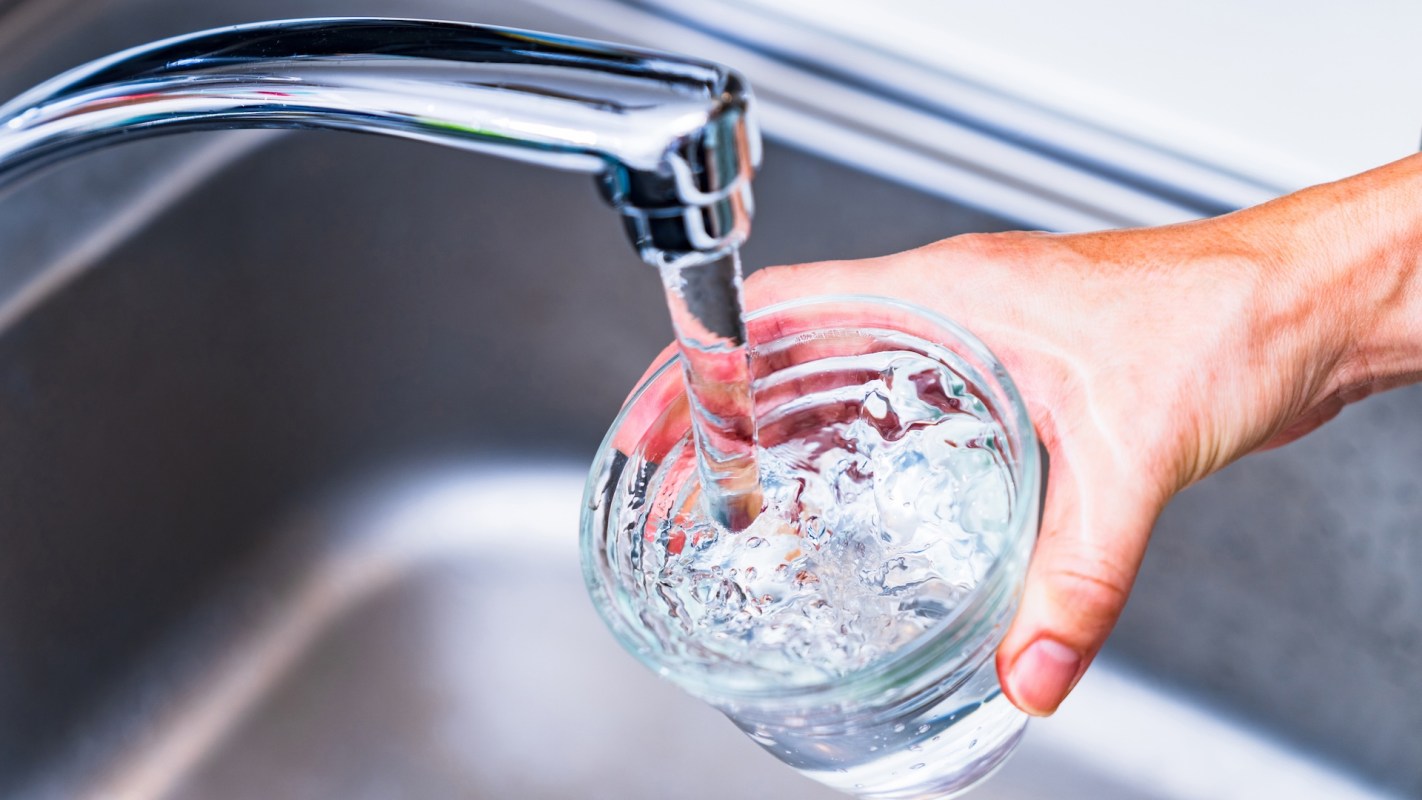
Despite technological gains in recent decades, more than 2 billion people worldwide still lack access to safely managed drinking water, and traditional desalination — the process of turning saltwater into freshwater — is expensive and energy-intensive, making it nearly impossible in some places.
But scientists around the world are working on cheap, easy, and incredible ways to provide clean drinking water to countless people:
1. Siphon-based thermal desalination
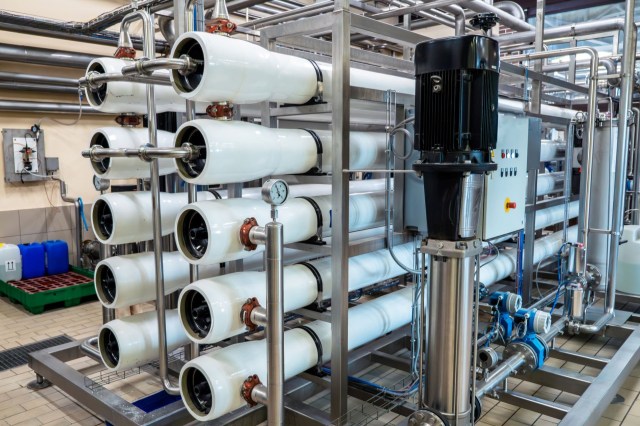
A team of researchers in India tweaked a common desalination technique to make it faster and more cost-effective. The system uses a fabric wick to pull salty water from a reservoir. The water flows across a grooved metallic surface and evaporates.
But rather than allowing salt to crystallize on the metal surface and slow down the process, the scientists added a siphon to flush it away. This system can produce about 1.5 gallons of water per hour for roughly 11 square feet of surface area.
Read more →
2. Pulling weather from thin air

Scientists working in the United States, Japan, and Australia teamed up to invent a material known as metal-organic frameworks. They act as molecular sponges that capture and store gasses, remove pollutants, and extract water vapor, even from dry desert air.
MOFs could provide water for millions of people who live in regions of the planet where water scarcity is a way of life, with no taps or wells necessary. It's no wonder the scientists won the 2025 Nobel Prize in Chemistry.
Read more →
TCD Picks » Quince Spotlight
💡These best-sellers from Quince deliver affordable, sustainable luxury for all




3. Turning humidity into water
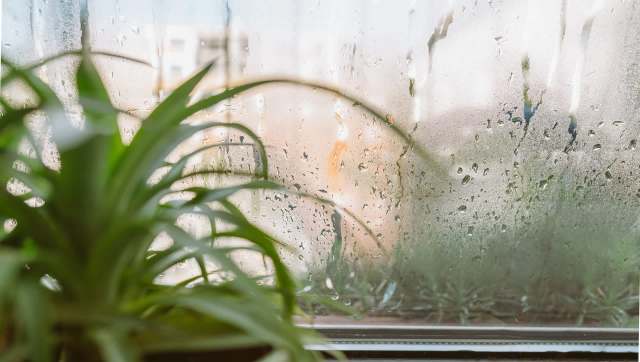
A Hawaiian company developed machines that can produce clean water using only the humidity in the air — and it's no small amount of water either. The machines are capable of generating over 200 gallons of fresh water a day.
Rather than helping to eliminate water scarcity around the world, these machines — two of which have been purchased by the Hawai'i Emergency Management Agency — are meant to be a resource during emergency situations in which fresh water might not be available.
Read more →
4. Plant-sourced drinking water

Tomatoes are made up of about 95% water, but a lot of that water is wasted when they're turned into paste or diced up to be canned.
California startup Botanical Water Technologies teamed up with an industrial tomato processing company to collect excess steam and wastewater during crop processing. The water is then purified and added back into the water supply.
Each water harvest unit can produce an astounding 150,000 gallons of repurposed water a day.
Read more →
|
Which of these savings plans for rooftop solar panels would be most appealing for you?
Click your choice to see results and earn rewards to spend on home upgrades. |
 Save $1,000 this year 💸
 5. Solar-powered water extractors
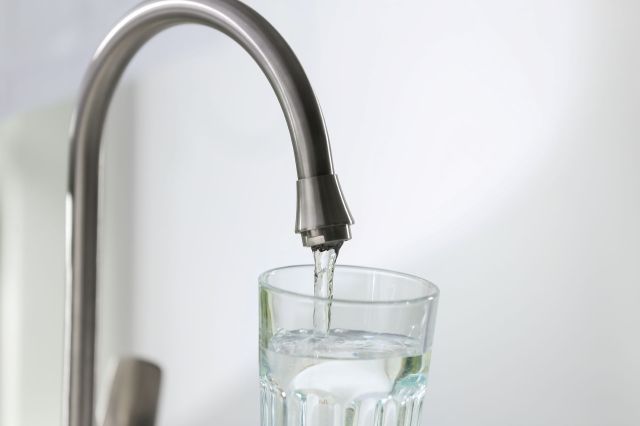
A water extraction device developed by South Africa-based entrepreneur Jimson Chingore is pretty simple. The solar-powered gadget uses active refrigeration to cool the air below its dew point and collects the resulting clean water.
But Chingore didn't stop at providing clean drinking water — he addressed water safety concerns as well by building a machine that purifies contaminated water. Chingore's inventions have the potential to positively impact billions of lives around the globe.
Read more →

Get TCD's free newsletters for easy tips to save more, waste less, and make smarter choices — and earn up to $5,000 toward clean upgrades in TCD's exclusive Rewards Club.






