


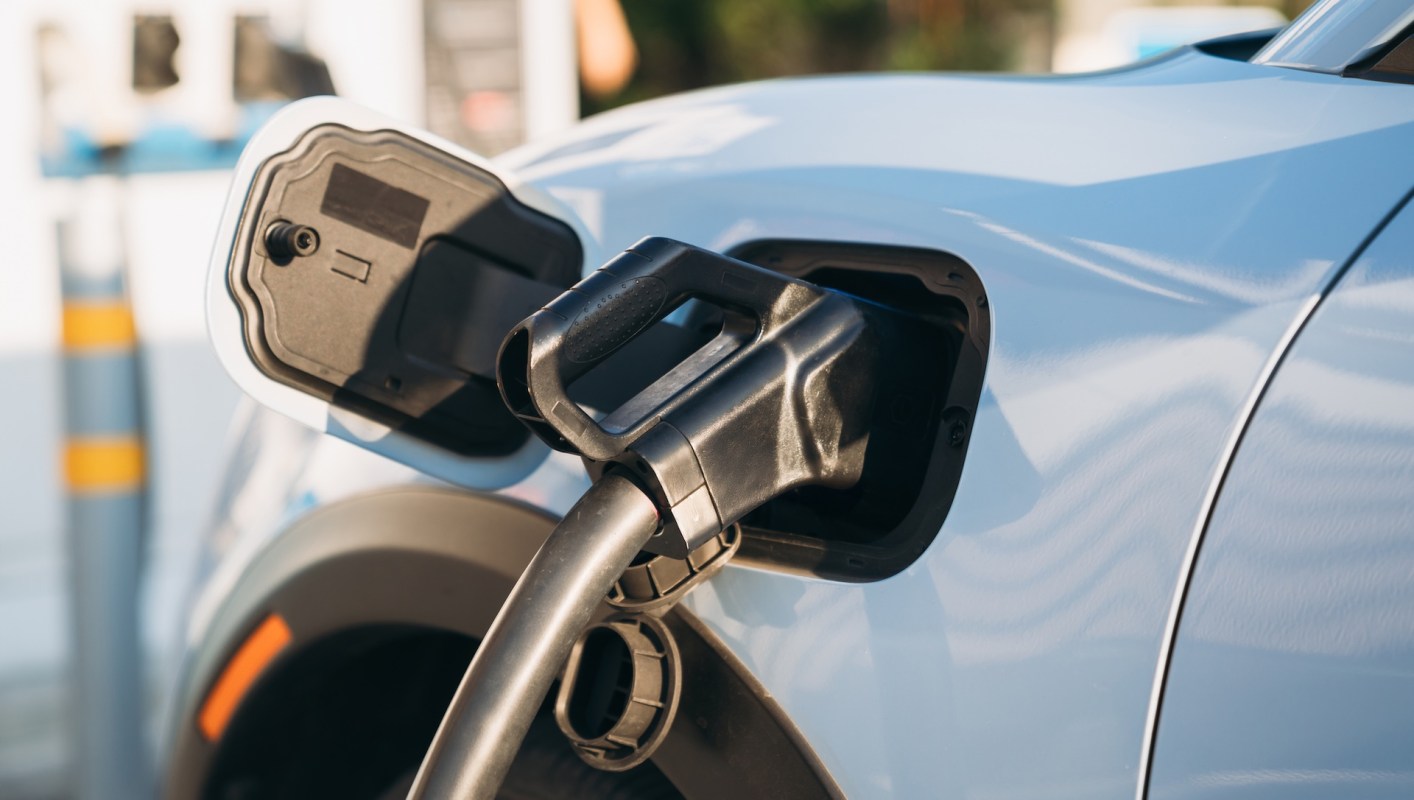
Researchers in the European Union intend to make an unprecedented high-voltage electric vehicle — and they have under 42 months to do it.
If successful, the prototype will charge faster and travel farther than potentially any EV to date, eliminating some of the final fears of still-skeptical motorists, according to a news release from Dortmund University of Applied Sciences in Germany.
The EU-funded project is called ODYSSEV, short for Optimised Dynamics of High-Voltage Powertrains: Developing Sustainable Systems for Electric Vehicles. Dortmund is heavily involved in the research.
"High-voltage technologies beyond 800 volts not only enable dramatically shorter charging times, but also lighter vehicles thanks to thinner cables and higher overall efficiency through reduced energy losses. This makes electric cars more suitable for everyday use and more attractive to a broad range of buyers," Dortmund professor Markus Thoben said.
The experts are shooting for 1,000 volts or higher, unlocking much better performance. To maximize the benefits, researchers want to use thinner, well-insulated cables, which will reduce overall weight and costs. But demand for insulation is high, and there are overheating risks. Those are concerns that ODYSSEV's team intends to solve.
EV battery voltage is also being studied in other labs, along with alternative chemistries, as part of efforts to improve performance.
It's important to note that current batteries provide for speedy power-ups. The cheapest way to charge is at home with a Level 2 plug-in, which can provide up to 40 miles per hour, according to experts at Qmerit. It reported that EV owners can save hundreds to thousands of dollars — for every 13,489 miles traveled — by juicing up at home. That's compared to gas or public stations that levy fees.
For reference, standard outlets charge EVs the slowest, typically taking up to 40 or more hours to boost a battery from zero to 80%. Public stalls are the fastest and can provide that level of energy in under 20 minutes, depending on the vehicle and technology, according to the U.S. Department of Transportation.
Save $10,000 on solar panels without even sharing your phone number Want to go solar but not sure who to trust? EnergySage has your back with free and transparent quotes from fully vetted providers in your area. To get started, just answer a few questions about your home — no phone number required. Within a day or two, EnergySage will email you the best options for your needs, and their expert advisers can help you compare quotes and pick a winner. Solar panels can save you more than $50k over their 25-year lifespan, and EnergySage can help you save as much as $10k on installation. Which begs the question — isn't that worth an email or two? |

Qmerit's experts can help you get started on installing a Level 2 charger at home with free curated, competitive quotes from trusted installers. It starts with some simple questions about your electric panel and garage.
For its part, ODYSSEV includes 14 research partners from eight countries. The project is inclusive, including the development chain, motor, battery, and other details.
|
Which of these savings plans for rooftop solar panels would be most appealing for you?
Click your choice to see results and earn rewards to spend on home upgrades. |
 Save $1,000 this year 💸
 The effort will culminate with a prototype run at the LaSiSe test track in Selm, Germany, per the release. It started with a January kickoff event in Spain.
"Our task is to orchestrate the complex interplay of all components and accelerate the development processes," research associate Seyed Saeed Mirsafian said about Dortmund's involvement.
EVs of any voltage can be charged with reliable, abundant energy via the sun — generated with home solar. TCD's Solar Explorer is a great resource that provides advice from trusted partners and installation quotes to help you get the best price. The insight can save you up to $10,000 off upfront costs.

Get TCD's free newsletters for easy tips to save more, waste less, and make smarter choices — and earn up to $5,000 toward clean upgrades in TCD's exclusive Rewards Club.






