


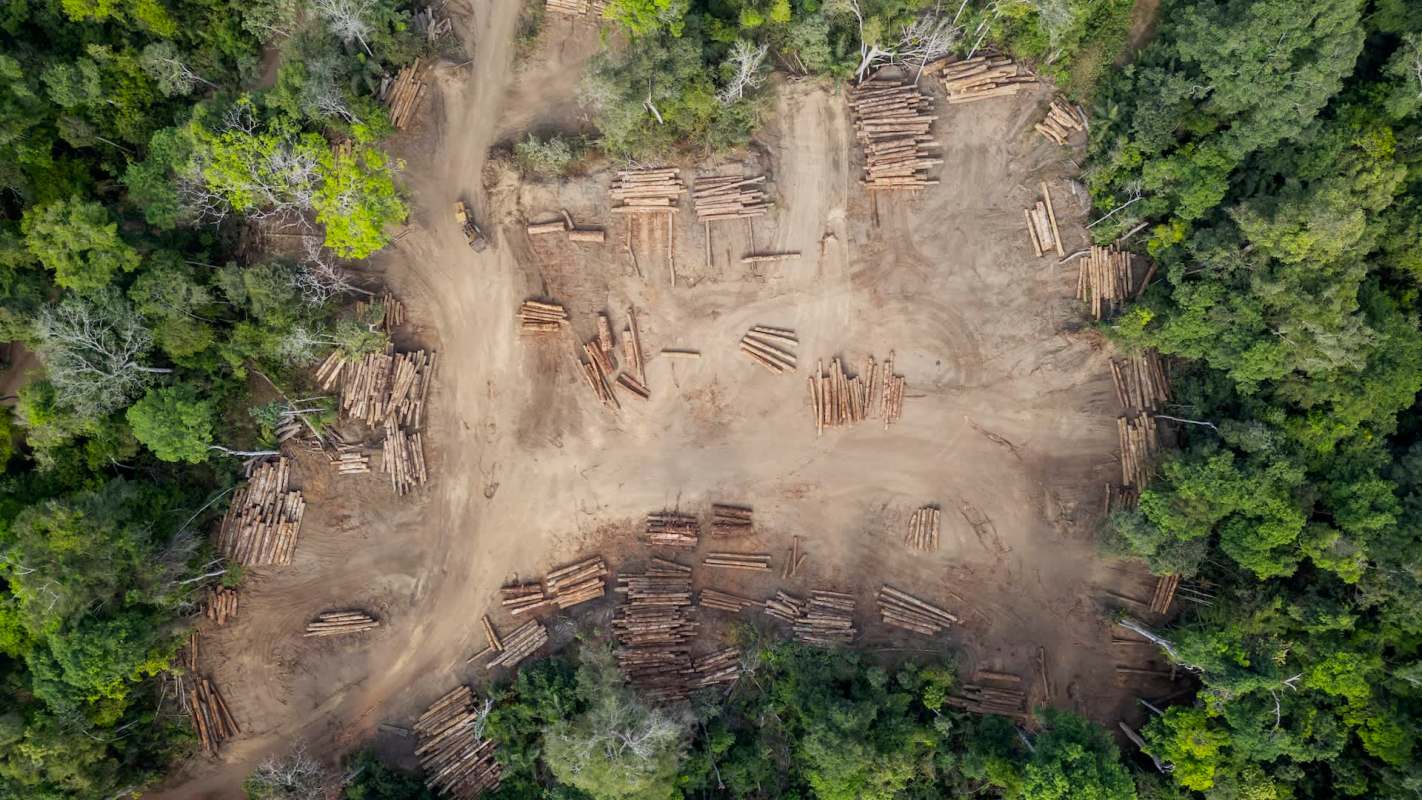
Beef production is destroying our planet's rainforests. A new study has highlighted the startling impacts of raising cattle for beef, producing oil palm, and farming soy.
What are the environmental impacts of beef?
Researchers recently published a study in Nature Food detailing their findings on agriculture-driven deforestation.
As Vox reported, beef emerged as the food most damaging to Earth's rainforests. The researchers' analysis showed that raising cattle for meat has generated more than 20,000 megatons of carbon dioxide over the past two decades.
A chart in the publication showed that between 2001 and 2022, beef was responsible for approximately 120 million acres of forest destruction worldwide.
Ranchers frequently burn trees to clear land for cattle grazing. This burning releases carbon into the atmosphere — pollution that can't then be offset by the destroyed trees.
Tree destruction can also impact soil health and increase erosion risks. Meanwhile, methane emitted by cows, along with the resources required to feed them, also contributes to air pollution.
TCD Picks » Quince Spotlight
💡These best-sellers from Quince deliver affordable, sustainable luxury for all




Why is eating less beef important?
Raising cattle is a major driver of global deforestation, especially in tropical regions like the Amazon Rainforest, one of the most biodiverse places on the planet.
If demand for beef remains high, ranchers will be incentivized to continue raising cattle for meat. This demand leads to continued land clearing, reduced biodiversity, and dwindling rainforests.
Unfortunately, beef demand remains high largely due to American cultural norms and rising wealth in countries like China, according to Vox.
"I'm not sure what it will take to change behavior around this," Liz Goldman of Global Forest Watch at World Resources Institute told the outlet.
|
Which of these savings plans for rooftop solar panels would be most appealing for you?
Click your choice to see results and speak your mind. |
 Save $1,000 this year 💸
 How can diet changes contribute to conservation?
By eating less meat, especially beef, you can contribute to a cleaner, cooler world and inspire others to do the same.
Studies have shown that the environmental impacts of switching to even just a lower-meat diet are significant. When you eat less meat, you may also reduce your risk of serious diseases like Alzheimer's.
Fortunately, there are many plant-based foods that are healthy, delicious, sustainable, affordable, and high in protein. And advocacy can help improve equitable access to the full range of these high-quality, nutrient-rich foods as well as awareness about what reducing meat consumption can do for family budgets, human health, and the planet.

Get TCD's free newsletters for easy tips to save more, waste less, and make smarter choices — and earn up to $5,000 toward clean upgrades in TCD's exclusive Rewards Club.







