


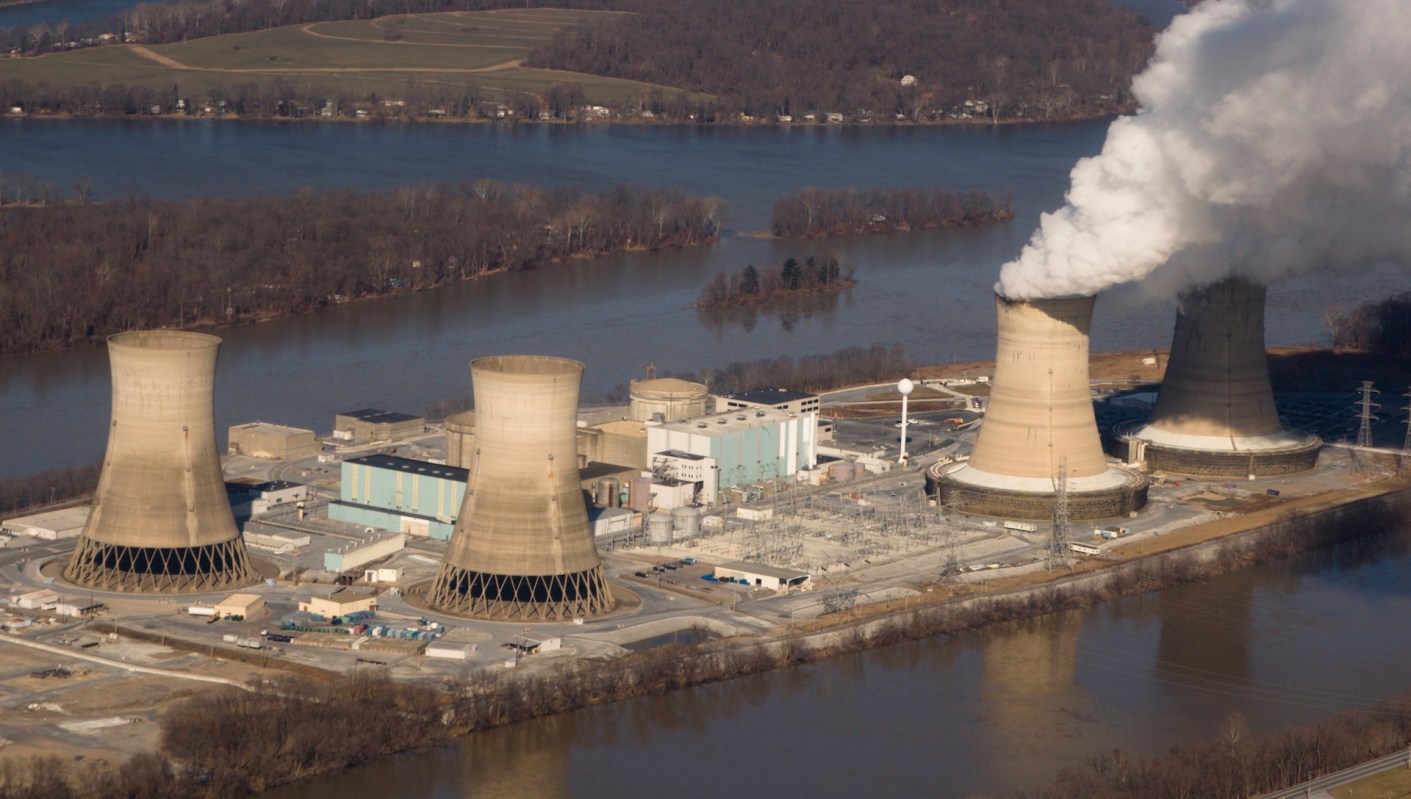
While tech giants and policymakers have pinned their hopes on nuclear power to fuel AI data centers and meet climate goals, one analysis has revealed it may be far too expensive and slow to build new plants.
What's happening?
According to the Financial Post, the Trump administration's push to revive the industry is under threat due to soaring construction costs. Recent figures show that U.S. nuclear projects cost roughly $15,000 per kilowatt, about five times as much as in cheaper build nations such as South Korea. That makes new plants among the priciest forms of energy infrastructure on the planet, and it raises serious questions about their financial viability.
Despite this, the administration has announced plans to quadruple U.S. nuclear capacity by 2050, which would require building hundreds of new plants.
Projects such as the Vogtle 3 and 4 reactors in Georgia have served as a grim warning, with costs ballooning from an original $14 billion to over $35 billion, according to E&E News.
As the Financial Post observed, the cost overruns caused local residents' electric bills to rise, and since Westinghouse, the company behind the project, filed for bankruptcy, utilities have been hesitant to invest in large-scale nuclear projects.
"Before we go down that path, we're going to have to have some things figured out… (including) overrun protection from the federal government or others to be able to protect our customers and our investors from any overruns," Harry Sideris, chief executive of Duke Energy, told investors, per the Post.
TCD Picks » Quince Spotlight
💡These best-sellers from Quince deliver affordable, sustainable luxury for all




Proponents had hoped that small modular reactors would provide a cheaper, faster alternative, but estimates suggest that SMR electricity could cost significantly more per kilowatt-hour than traditional nuclear power, with many designs still years away from commercial viability, according to New Civil Engineer.
Why is nuclear energy important?
Nuclear power is often promoted as a powerful tool in the transition away from fuels like coal, gas, and oil since reactors generate consistent, 24/7 electricity with virtually no carbon pollution. It's a reliable source of baseload power that can help stabilize energy grids when solar panels or wind turbines are not producing.
Nuclear plants also require relatively little land compared with other renewable energy installations and fossil fuel plants, which can be an advantage in densely populated areas.
However, nuclear power also presents significant drawbacks. Aside from their enormous costs and time needed to build plants, the industry also faces long-standing concerns about radioactive waste, which remains hazardous for thousands of years and requires secure long-term storage solutions that many countries have struggled to establish. Safety risks, though rare, remain a public concern due to past nuclear accidents, such as at Chernobyl and Fukushima.
|
Which of these savings plans for rooftop solar panels would be most appealing for you?
Click your choice to see results and speak your mind. |
 Save $1,000 this year 💸
 Industry leaders justify nuclear's return, however, because of the growth of AI data centers and manufacturing power needs. But, since most reactors in the U.S. were built in the 1970s and 80s, generating significant new capacity would require a building boom never seen since the last century, according to the World Nuclear Association.
What's being done to help new nuclear projects?
An $80 billion federal-private partnership between the private equity group Brookfield and reactor designer Westinghouse aims to kickstart construction of eight new reactors. Meanwhile, tech giants like Microsoft and Google are now signing long-term deals to help bankroll the reopening of shuttered power stations, while Amazon is trying to create new SMRs.
Industry experts like Adam Stein, director of nuclear energy innovation at the Breakthrough Institute, an environmental research center, are optimistic about the resurgence of nuclear energy.
"This is the best market we have ever seen for nuclear financing with government tax breaks, loans, surging energy demand and private investment," he told the Financial Post.

Get TCD's free newsletters for easy tips to save more, waste less, and make smarter choices — and earn up to $5,000 toward clean upgrades in TCD's exclusive Rewards Club.






