


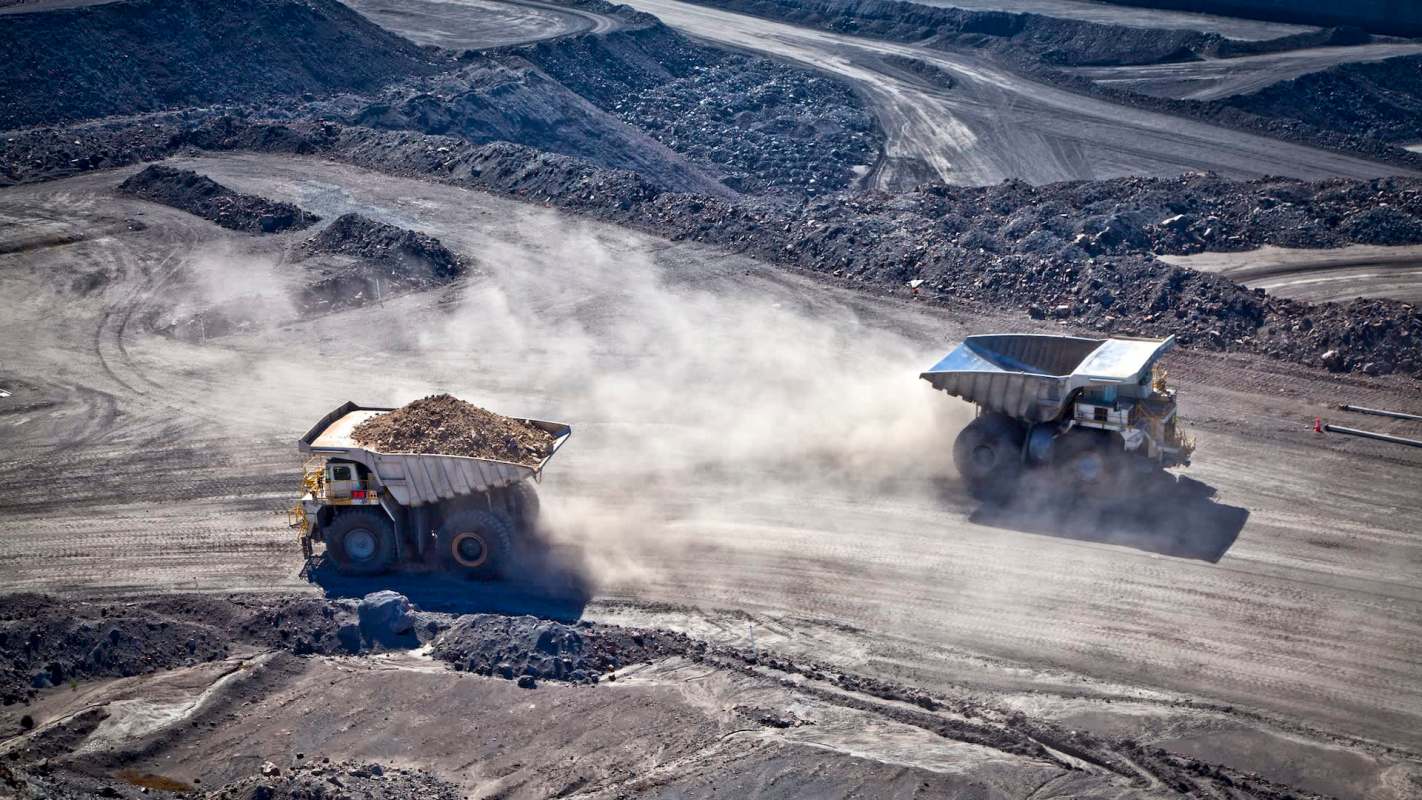
Conservationists have pushed back against a plan to expand a coal mine in Australia, citing fears it will destroy animal habitats and contribute to the climate crisis.
What's happening?
According to The Guardian, the Albanese government approved the expansion of the Middlemount mine in Queensland's Bowen Basin. About 93 million tons of coal would reportedly be exported from the mine over 24 years.
However, hundreds of acres of greater glider and koala habitat were approved for clearing. Professor Euan Ritchie, an ecologist at Deakin University, said any attempts to relocate habitats would likely fail.
"Make no mistake, many greater gliders will die as a result of this action and ridiculous offset measure," Ritchie told The Guardian. "We can't keep destroying the homes of threatened native wildlife and say we're saving them by using ever more absurd and nonsensical mitigation approaches."
As The Guardian noted, habitat clearing and rising global temperatures are among the biggest threats facing the endangered greater glider. The government's approval of the Middlemount expansion is the second coal mine extension approved in Queensland in 2026.
Meanwhile, it's estimated that the amount of coal produced at the mine, which would be burned for industry or energy use, could add 260 million tons of carbon dioxide to the atmosphere over the site's two-decade-plus lifespan.
TCD Picks » Quince Spotlight
💡These best-sellers from Quince deliver affordable, sustainable luxury for all




Why is the coal mine expansion concerning?
One of the main contributors to habitat loss is land conversion for development, which includes industrial sites such as coal mines, according to the National Wildlife Federation. Other causes of habitat loss include agriculture, water development, pollution, and the shifting climate.
Per Environment America, excessive logging from mining can devastate wildlife habitats on land and accelerate erosion, which can also impact aquatic habitats. For example, researchers found that aquatic wildlife populations in Central Appalachian streams impacted by coal mining declined drastically.
Habitat loss is the primary threat to biodiversity, which is critical to maintain healthy ecosystems. According to the World Health Organization, biodiversity loss can lead to economic and health concerns as ecosystems are disrupted and natural resources are impacted.
Burning coal also produces significant air pollution that traps heat in the atmosphere, driving global temperatures higher. Warmer days lead to longer and stronger extreme weather events, such as floods, heat waves, and droughts. In Australia, which already faces regular bushfire problems, this could cause even more devastation and habitat loss.
What's being done about mitigating the effects of coal mining?
Conservationists have continued to speak out against coal mine expansion projects in Queensland to protect wildlife and avoid negative climate impacts, according to The Guardian. Meanwhile, the government said there will be conditions to prevent harm to threatened species.
|
Which of these savings plans for rooftop solar panels would be most appealing for you?
Click your choice to see results and speak your mind. |
 Save $1,000 this year 💸
 Having conversations with family and friends about the impact of coal mining on habitats can help spread the word about the importance of protecting threatened animals and their homes.
Installing solar panels at home can reduce our reliance on coal, which is still heavily used in energy production. The technology can eliminate the need to access grid-provided power by generating cleaner energy that runs all your household appliances while significantly lowering your electricity bill. TCD's Solar Explorer can help homeowners find the best deal on their solar setup.

Get TCD's free newsletters for easy tips to save more, waste less, and make smarter choices — and earn up to $5,000 toward clean upgrades in TCD's exclusive Rewards Club.






