


Birds follow their instincts when it comes to migration, but the increased changes in temperatures around the globe have disrupted those patterns in alarming ways, as evidenced by the appearance of a rare Arctic bird.
What's happening?
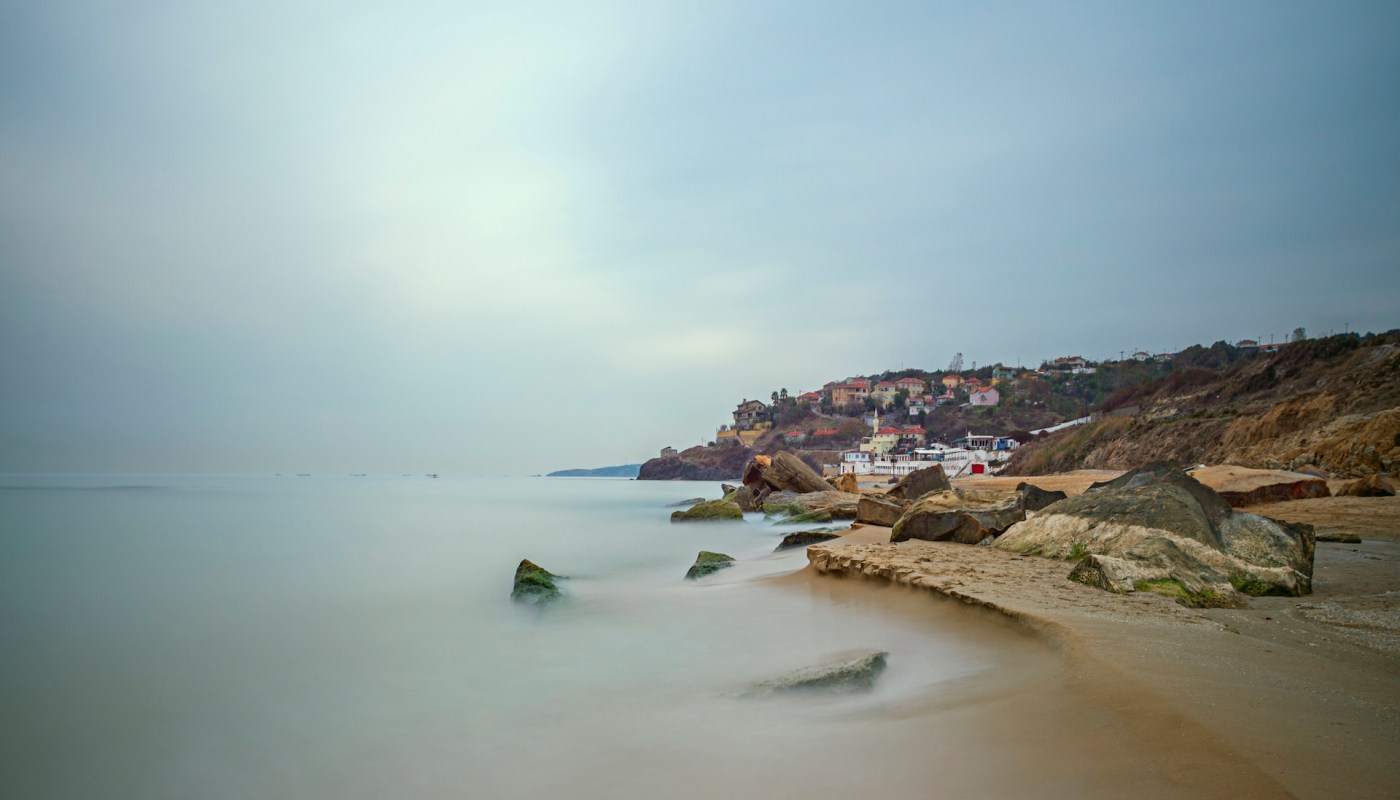
Officials reported that a rare Siberian brant, or red-breasted goose (Branta ruficollis), has been spotted in Rize, a city in Turkey located on the Black Sea. According to Turkiye Today, the species is typically found in Siberia and other Arctic regions, making its appearance as far south as the Black Sea coast worrisome.
According to the outlet, the Siberian brant is one of the rarest goose species in the world and is listed as endangered by the International Union for Conservation of Nature. The Siberian brant is a migratory species, breeding in the far northern reaches of Russia and then traveling south, typically to more northern coasts of the Black Sea.
Experts emphasized that the appearance of the Siberian brant isn't a one-off, but part of a pattern of birds altering their migration routes due to rising global temperatures, extreme weather events, and the loss of natural habitats. The outlet noted that Rize is a natural layover for many migratory birds, but an increasing number of species not typically seen in the area have been spotted more recently, especially during the winter.
Why is the Siberian brant important?
The Siberian brant's appearance far beyond its normal range is an indicator of an ongoing shift in bird behavior, revealing the impact of rising global temperatures. Migratory birds are critical to a variety of ecosystems, performing pest control, pollination, and serving as prey for other wildlife, according to the U.S. Geological Survey. When these patterns are disturbed, it has a domino effect on ecosystems and economics.
What's being done about the Siberian brant?
In the immediate future, officials have encouraged people to observe and report any sightings of the Siberian brant to gather more data on their migratory changes.
TCD Picks » Quince Spotlight
💡These best-sellers from Quince deliver affordable, sustainable luxury for all




Individuals can take further action to benefit birds, like keeping cats indoors, avoiding the use of plastic, and even drinking shade-grown coffee, which has less of an impact on habitat destruction than other types, according to Cornell University.
Governments are also doing their part. The city of Istanbul has launched a project in partnership with the UN Environment Programme to promote "nature-based solutions" in metropolitan areas.
|
Which of these savings plans for rooftop solar panels would be most appealing for you?
Click your choice to see results and speak your mind. |
 Save $1,000 this year 💸
Get TCD's free newsletters for easy tips to save more, waste less, and make smarter choices — and earn up to $5,000 toward clean upgrades in TCD's exclusive Rewards Club.







