


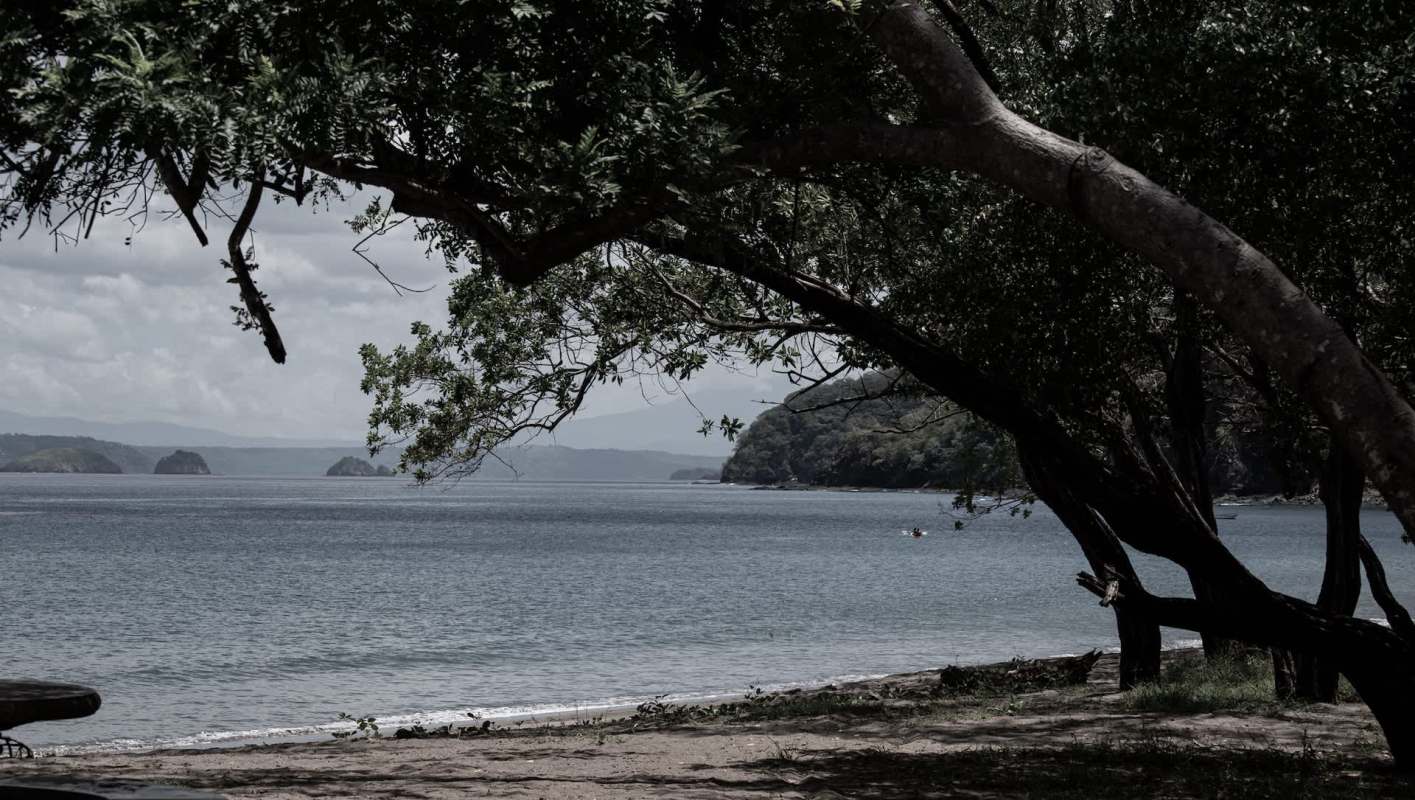
With Cold Front 14 coming in on the heels of a major temperature drop in Costa Rica, those on the Caribbean coast are left worrying about beach safety and erosion.
Experts have warned that an impending cold snap will cause high winds and even higher tides, resulting in the inevitable inordinate displacement of sand along many key coastal areas.
What's happening?
According to the Costa Rica News, sudden weather events like cold fronts threaten "to significantly remove sand from several beaches, directly affecting infrastructure near the sea. While it is normal for beaches to lose and regain sand as part of their natural dynamics, erosion occurs when rising sea levels or ocean currents remove sand disproportionately."
Additionally, wave heights are slated to increase exponentially due to the rapid change in wind speed and temperature.
Such issues have expanded not only to the Caribbean area but to a large portion of the North Pacific as well, leading to noticeable alterations in coastlines.
With the swell of abnormal wave patterns and sizes, especially increasing in frequency, many experts have grown concerned that the effects will become a "new normal:" one that will cause a detriment to people and places located near coastal spaces.
TCD Picks » Quince Spotlight
💡These best-sellers from Quince deliver affordable, sustainable luxury for all




Why is this important?
With the ever-looming threat of global pollution, extreme weather events are unfortunately becoming all the more common, causing destruction in their wake.
Coastal erosion is a detrimental consequence of rising global temperatures, primarily spurred on by the sheer amount of pollutive gases being pumped into the atmosphere.
Studies have shown that rising sea levels as a result of melting ice sheets, cold and hot fronts, and intense winds result in a myriad of problems for both people and the environment.
They are major contributors to flooding, often culminating in property damage and even the loss of life. Eroding coasts consistently prove to be a problem for businesses and force families to move further inland as infrastructure collapses and is lost to the tide.
|
Which of these savings plans for rooftop solar panels would be most appealing for you?
Click your choice to see results and speak your mind. |
 Save $1,000 this year 💸
 Gustavo Barrantes, lead researcher at UNA's Environmental Geomorphology Program, added that when "sand is permanently lost … beaches become shorter and much more vulnerable," said TCRN.
On top of this, the continued burning of dirty fuels results in more and more dirty energy use, exacerbating issues with safe groundwater access, ecological protection, and human health.
What's being done about this?
However, for Costa Rica and the greater Caribbean coast, officials have noted a few crucial steps to follow to stay safe during Cold Front 14.
Per TCRN, "The conditions associated with this cold snap pose a significant risk to navigation, especially for small and medium-sized vessels … swimmers are reminded to be aware of rip currents, avoid entering the sea in adverse conditions, and consider other risks present in coastal areas … it is important to follow official forecasts and information issued by the competent authorities, as conditions may vary as atmospheric systems evolve."
While rising sea levels may not be instantly solvable, it is possible to mitigate further problems. Being aware of critical climate issues is essential, especially those that can be lessened by conscious efforts to lower pollution.
Even taking simple steps to reduce the amount of waste people personally produce on a daily basis can help to improve the odds of attaining a cleaner planet and a cooler atmosphere.

Get TCD's free newsletters for easy tips to save more, waste less, and make smarter choices — and earn up to $5,000 toward clean upgrades in TCD's exclusive Rewards Club.







