


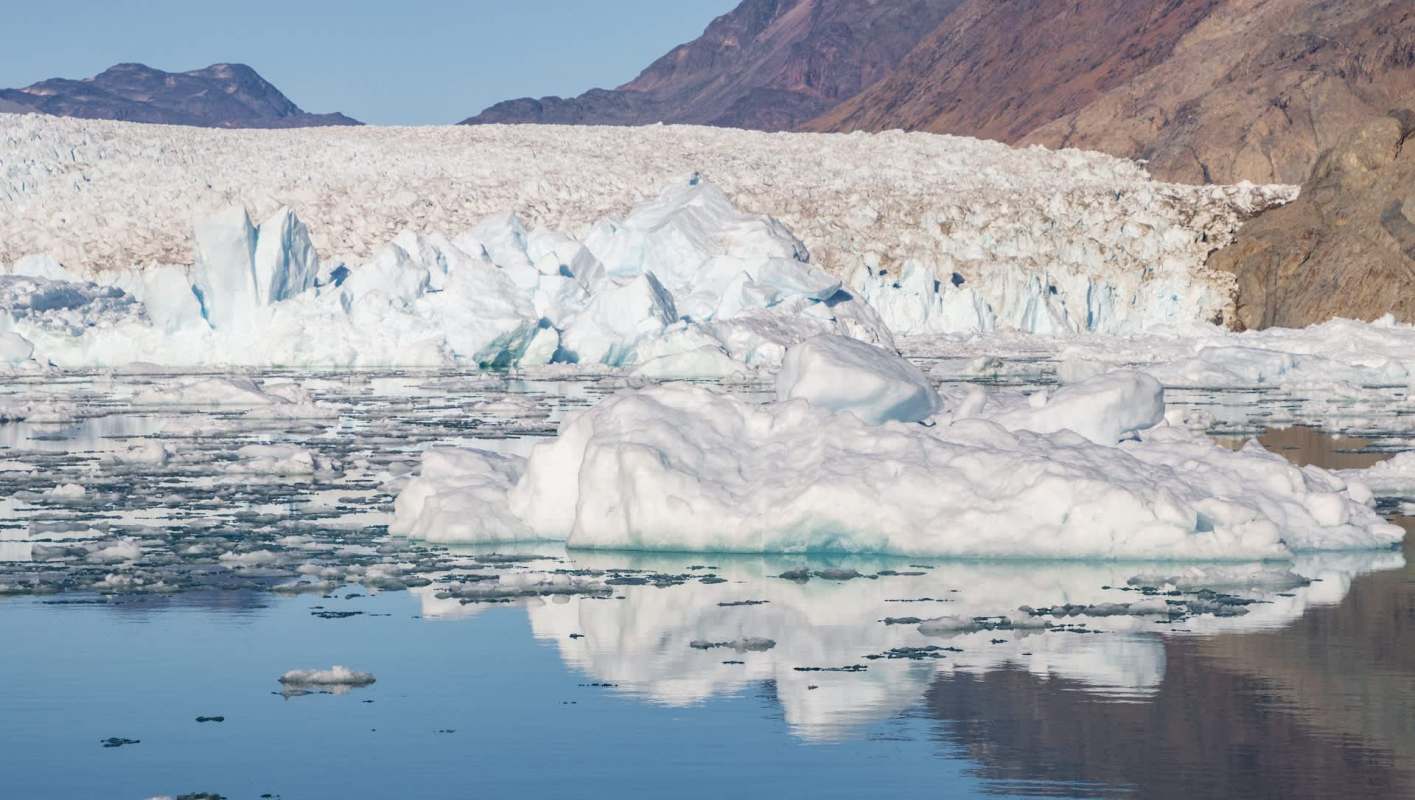
In a recent study, scientists observed a strange phenomenon: some glaciers are surging forward instead of retreating. Such glacial behavior is unusual, causing researchers to worry about how it may affect people's day-to-day lives.
What's happening?
According to The Conversation, a new study found that glacier surging is increasing in some regions. Although such behavior might seem positive, especially in a time when glaciers are disappearing, it's not.
Unfortunately, surges can accelerate ice loss, leaving glaciers more vulnerable to rising temperatures — and increasing the hazards faced by those living downstream. Per The Conversation, the study examined over 3,000 surging glaciers to better understand this phenomenon.
The researchers found that during a surge, glaciers speed up from a slow crawl to "tens of meters per day," as reported by The Conversation.
Although the study found that only about 1% of all glaciers have experienced surges, those that did were typically the larger ones. As a result, about 16% of the world's total glacial area has had surges.
Why does glacier surge matter?
Currently, glacier surging is most common in the Arctic, Himalayas, Andes, and some mountain ranges in Asia. However, some of these surges happen in more populated regions, posing significant risks.
TCD Picks » Quince Spotlight
💡These best-sellers from Quince deliver affordable, sustainable luxury for all




For example, surges could damage infrastructure and farmland, or block rivers. When broken, such blockages can lead to devastating floods. Additionally, surges can affect travel, tourism, recreation, seafood supplies, and shipping in more isolated regions.
"Surging glaciers remind us that ice does not always respond to warming in simple and predictable ways," according to The Conversation. "Understanding these exceptions, and managing the hazards they create, is critical."
The researchers found that rising temperatures are worsening surges, making them more frequent in some regions. In other areas, surges occur less often due to glacial thinning, or they occur earlier than expected due to severe weather conditions.
To put it simply: glacier behavior is becoming more unpredictable as temperatures continue to rise.
|
Which of these savings plans for rooftop solar panels would be most appealing for you?
Click your choice to see results and speak your mind. |
 Save $1,000 this year 💸
 In Svalbard, warm temperatures caused melting water to pool on top of glaciers and thawed a thick layer of permafrost. Meanwhile, Arctic sea ice has been hitting record lows in recent years.
What's being done to protect glaciers?
Glacier surges are linked to a wide range of issues, including rising temperatures and sea levels, ice loss, and intensifying weather events. As a result, protecting glaciers plays a direct role in managing many of these other problems.
One of the most important actions to take is limiting rising temperatures by curbing planet-warming pollution. The International Union for Conservation of Nature and Natural Resources explains that governments need to develop specific policies to protect glaciers and establish early-warning systems for floods.
Other solutions include transitioning to clean energy, improving energy efficiency, and adopting regenerative agricultural practices, per the Natural Resources Defense Council.

Get TCD's free newsletters for easy tips to save more, waste less, and make smarter choices — and earn up to $5,000 toward clean upgrades in TCD's exclusive Rewards Club.







