


A new report from the United Nations shows staggering levels of food waste around the world, especially in India, which is part of a vicious cycle.
What's happening?
According to the new report, extreme heatwaves and severe flooding have worsened the food crisis in India.
According to one study, 30-40% of all food produced in India is wasted, as noted by Impakter. The publication also reported that the average Indian household discards approximately 121 pounds (55 kilograms) of food each year.
The nation wastes roughly 87.5 million tons of food, valued at over $10.15 billion (920.7 billion Indian rupees). According to the Shaksham Foundation, over 224 million Indians are undernourished, and one in every three children under five is stunted due to malnutrition.
The rate of food waste in India is particularly troubling, given how many households suffer from food insecurity. A lack of food isn't the problem; poor infrastructure, agricultural practices, and consumer mindsets are.
Why is food waste in India so concerning?
This food waste is part of a brutal cycle. The immense waste drives up grocery costs, making it more difficult for vulnerable communities to access adequate nutrition.
TCD Picks » Quince Spotlight
💡These best-sellers from Quince deliver affordable, sustainable luxury for all




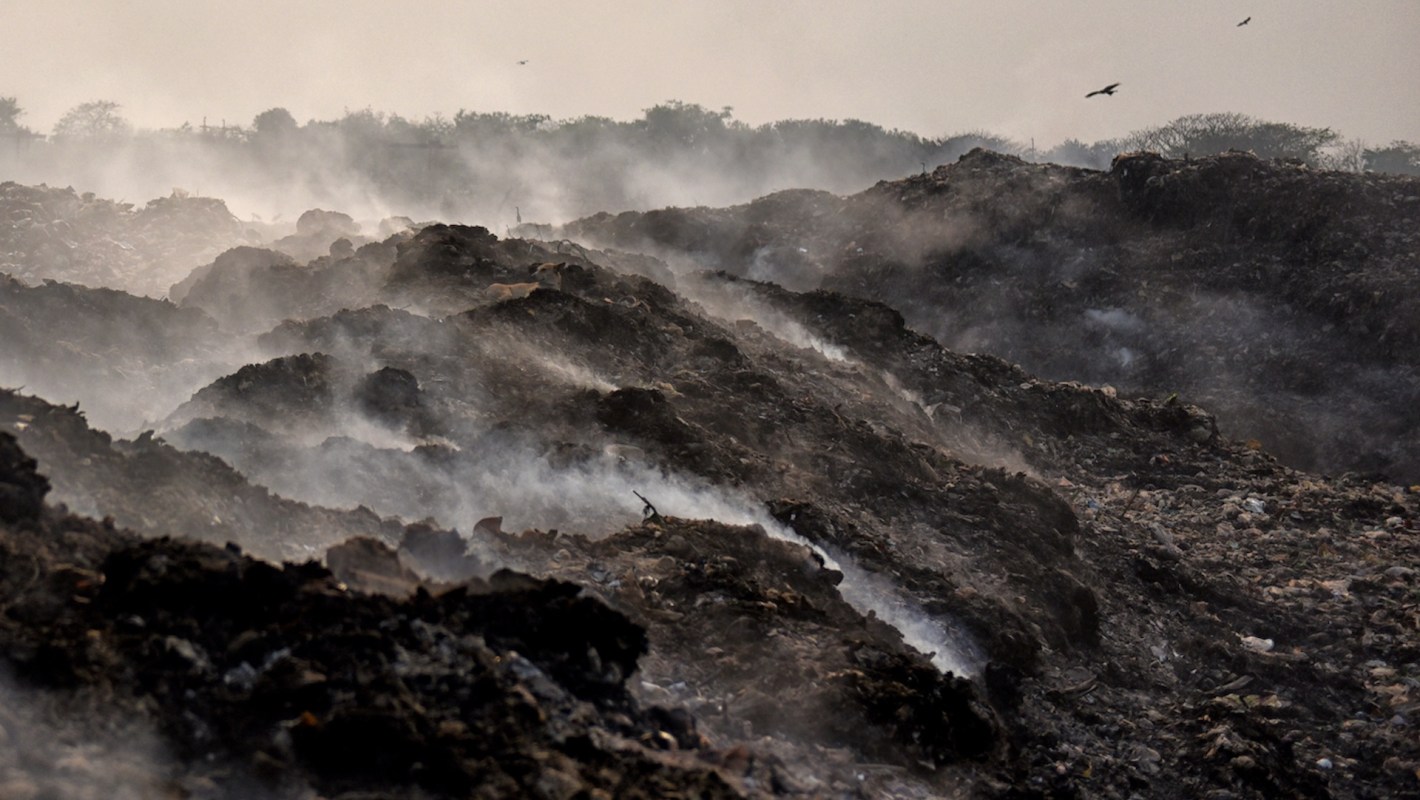
A different UN report found that India is the world's third-largest methane emitter, according to DownToEarth. Methane is a gas that worsens air pollution and is produced by waste.
The excessive methane pollution from India are driven by a combination of burning crop residue to make room for new crops and loading up landfills with food waste.
Much of the waste stems from climate-driven weather, such as heatwaves and floods. But food waste created by extreme weather events then emits methane, which worsens pollution and leads to more weather disasters.
The cycle is leaving millions of Indians hungry or undernourished, and creating a feedback loop of dangerous weather conditions and severe air pollution. Without intervention, the problem will only grow more dire. People and the planet are suffering, and good food is going to waste.
|
What's the most you'd pay per month to put solar panels on your roof if there was no down payment?
Click your choice to see results and speak your mind. |
 $200 or more 💰
 What's being done to reduce food waste in India?
The report included strategies for managing food waste. These included protecting vulnerable populations from rising food costs, aligning policies to stabilize markets, investing in data collection and analysis, and prioritizing industry-wide measures with lasting impact.
Investing in resilient agrifood systems and new technologies is also recommended. Luckily, scientists are developing exciting new approaches to farming that aim to tackle severe food waste.
Innovative tactics, such as soilless farming, crop evaluation using artificial intelligence, and flood-resistant materials, can improve crop yields in the face of a changing climate.
Food waste must be tackled on multiple levels. From policy implementation and farm production to grocery infrastructure and household habits, solving this food waste problem requires everyone's participation and care.

Get TCD's free newsletters for easy tips to save more, waste less, and make smarter choices — and earn up to $5,000 toward clean upgrades in TCD's exclusive Rewards Club.







